

Bulk Supply L-Cystine dihydrochloride

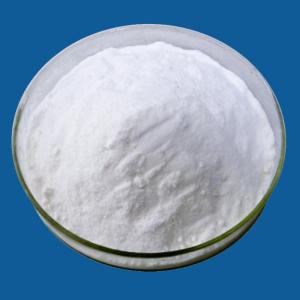
L‑Cystine dihydrochloride is generally stable under proper storage conditions, but its stability is strongly affected by pH, temperature, light, oxidizing/reducing agents, and humidity. Below is a systematic overview of its stability characteristics.
1. Stability Under Normal Storage Conditions
- Solid state: Stable at room temperature, dry, sealed, and protected from light. No obvious discoloration, decomposition, or crystal change for at least 2–3 years.
- Slightly hygroscopic: Absorbs moisture slowly under high humidity but does not rapidly decompose.
- Optical stability: Stable in acidic solution; no racemization under normal conditions.
2. Thermal Stability
- Melting point behavior: Does not melt cleanly; decomposes at approximately 180–220 °C.
- Heating in solution: Stable at < 60 °C in acidic conditions. At > 80 °C, slow decomposition may occur, releasing trace H₂S, NH₃, CO₂.
- High-temperature sterilization: Relatively stable in autoclaving (121 °C, 15–20 min) in acidic media, but partial degradation may occur in neutral/alkaline solutions.
3. pH Stability
- Strongly acidic (pH 1–3): Highly stable; disulfide bonds and molecular structure remain intact.
- Neutral conditions (pH 5–8): Begins to precipitate as free L‑cystine (low solubility), but no chemical decomposition.
- Alkaline conditions (pH > 9): Unstable. Disulfide bonds cleave easily; sulfur is lost as H₂S; racemization and oxidative degradation accelerate.
4. Oxidation Stability
- Stable to weak oxidants (air oxygen, dilute H₂O₂ at low concentration).
- Strong oxidants (concentrated H₂O₂, KMnO₄, hypochlorite, concentrated HNO₃) cause rapid oxidation of the disulfide bond, forming sulfinic/sulfonic acids and degradation products.
- In neutral/alkaline environments, oxidation is significantly accelerated.
5. Reduction Stability
- Disulfide bonds are easily reduced to cysteine by common reducing agents: DTT, β‑mercaptoethanol, NaBH₄, thioglycolate, Zn/H⁺, etc.
- Reduction is rapid in both acidic and neutral conditions.
6. Light Stability
- Light-sensitive to some extent: Prolonged exposure to sunlight or UV light causes slow discoloration (yellowing) and mild decomposition.
- Should be stored protected from light.
7. Stability in Aqueous Solution
- Acidic solution: Stable for days at 4 °C; stable for hours at room temperature.
- Neutral aqueous solution: Precipitates gradually as free L‑cystine; simultaneously undergoes slow oxidation.
- Not suitable for long‑term storage in neutral solution.
8. Compatibility Stability
- Stable with acids, neutral salts, sugars, amino acids in acidic media.
- Incompatible with:
- Strong oxidizing agents
- Strong bases
- Heavy metal ions (Ag⁺, Hg²⁺, Pb²⁺, Cu²⁺) → form precipitates or catalyze decomposition
Summary
L‑Cystine dihydrochloride is stable when dry, sealed, cool, dark, and acidic,
but unstable under heat, light, alkalinity, oxidizing or reducing conditions.
This is why it is always prepared and stored in acidic stock solutions for cell culture and pharmaceutical use.
Send product request
Other supplier products
 |
Bulk supply L-Alanyl-L-Tyrosine | The application fields of L-Alanyl-L-Tyrosine1. Medicine and health productsNutritional supplements: As a precursor of tyrosine, they can supplemen... |
 |
N‑Acetyl‑L‑Tryptophan Powder | N‑Acetyl‑L‑Tryptophan of Basic Identifiers CAS Number: 1218‑34‑4 Molecular Formula: C₁₃H₁₄N₂O₃ Molecular Weight: 246.26 g/mol Synonyms: Ac‑Trp‑OH, ... |
 |
N-Acetyl-L-Tryptophan Partners, long-termCooperation | N‑Acetyl‑L‑Tryptophan as Nutrient Fortifier (Essential Amino Acid Source) Core Function Stable, bioavailable source of L‑tryptophan (essential amin... |
 |
Chemical Properties of N‑Acetyl‑DL‑Tryptophan | Chemical Properties of N‑Acetyl‑DL‑Tryptophan 1. Structural characteristics N‑Acetyl‑DL‑Tryptophan is a racemic acetylated derivative of tryptophan... |
 |
Glycylglycine Raw Material | As a Substrate for Measuring Glycylglycine Dipeptidase Activity: Glycylglycine can be used as a substrate for measuring glycylglycine dipeptidase, ... |
Same products
 |
L-Cystine dihydrochloride in Laboratory & Chemical Industry | Seller: 846340 | L-Cystine dihydrochloride in Laboratory & Chemical Industry Biochemical research reagent Used... |
 |
L-Cystine dihydrochloride in Animal Feed Industry | Seller: 846340 | L-Cystine dihydrochloride in Animal Feed IndustryFeed nutritional additivePromotes growth of live... |
 |
L-Cystine dihydrochloride Purchase price | Seller: 846340 | L-Cystine dihydrochloride in Cosmetics & Personal Care IndustrySkin conditioning and anti-agi... |
 |
L-Cystine dihydrochloride Partners, long-termCooperation | Seller: 846340 | L-Cystine dihydrochloride in Food & Health Products IndustryFood nutritional fortifierAdded t... |
 |
L-Cystine dihydrochloride Marke quotation | Seller: 846340 | L-Cystine dihydrochloride in Cell Culture & Biomanufacturing Industry Essential additive in c... |

