

Diacetone Alcohol CAS 123-42-2

Introduction
| Products name : | Diacetone Alcohol |
| CAS NO. : | 123-42-2 |
| Molecular Formula: | C6H12O2 |
| Structural formula: | |
| Use: | Pharmaceutical intermediates, paint solvents |
| Rules: | ≥99% |
123-42-2 – Nature
white or yellowish transparent liquid with aromatic flavor. Relative density 0. 9387 (20 ℃). Melting Point -44 °c. Boiling point 167.9 °c. Refractive index 1.4232. Flash point 13 °c. Soluble in water, ethanol, ether and chloroform, unstable, and alkali or in atmospheric distillation when the decomposition. Long-term storage at room temperature is easy to polymerize.
123-42-2 – Preparation Method
acetone is obtained by condensation under the action of a basic catalyst.
123-42-2 – Use
It is used as an intermediate in the manufacture of isopropylidene acetone, methyl isobutyl ketone, methyl isobutyl methanol and hexanediol, chlorone, isophorone from acetone; It is also widely used as a paint brightener, an amino lacquer, a diluent for Nitro paint, and acetyl cellulose, epoxy resin and other solvents.
123-42-2 – Safety
This product stimulates eyes, skin and respiratory mucosa. Enters the body through the respiratory and digestive tracts, affects the nervous system, damages the liver and stomach. Inhalation of high concentrations of vapor will form pulmonary edema, even Coma. Long-term exposure can lead to dermatitis.
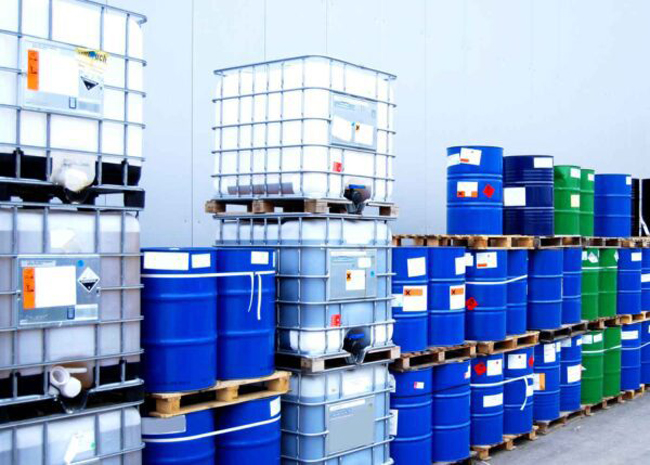
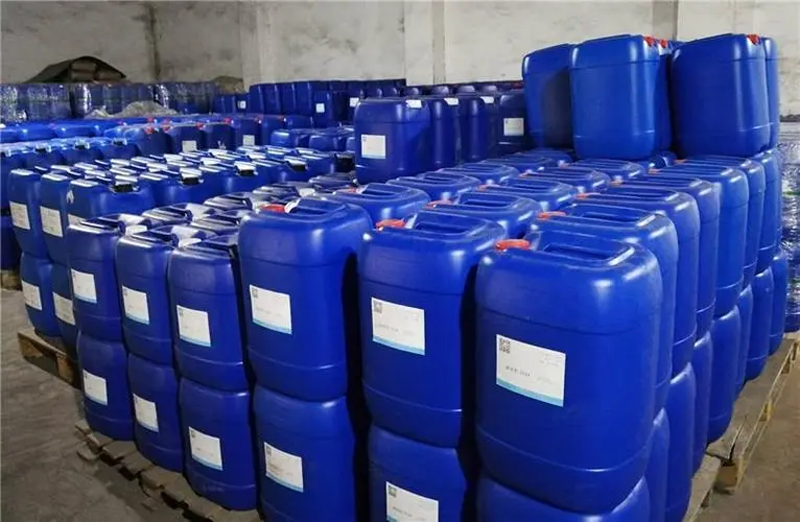
External use of iron drum or glass bottle is lined with a wooden box for packing. Store in a cool and ventilated silo, away from heat source and fire, avoid direct sunlight; Store and transport with oxidant and acid Isolation.
123-42-2 – Reference Information
| Concentration | 0.1 mCi/ml |
| Specific Activity | 25-50 mCi/mmol |
| Solvent | Ethanol |
| LogP | -0.09 at 20℃ |
| Use | diacetone alcohol is one of the important derivatives of acetone, used in the preparation of metal detergents, wood preservatives, hydraulic oil solvents; diacetone alcohol can be used for the preparation of methyl isobutyl ketone, methyl isobutyl methanol, hexenediol, phenyl oxygen, isophorone and other intermediates; Diacetone alcohol can be used as paint, celluloid, nitrocellulose, fat, oil, wax, dyes and resin solvents; Diacetone alcohol can be used as photographic film preservatives, antifreeze, extractants, pharmaceutical intermediates, special comonomers, organic synthesis of raw materials. diacetone alcohol is an intermediate in the process of preparing isopropylidene acetone, methyl isobutyl ketone, methyl isobutyl methanol, hexylene glycol, chlorone and isophorone from acetone. Diacetone alcohol can be used to prepare metal detergents, wood preservatives, photographic film and drug preservatives, antifreeze, hydraulic oil solvents, extractants and fiber finishing agents. Diacetone alcohol is widely used as a solvent for electrostatic paint, celluloid, nitrocellulose, fats, oils, waxes and resins. used as raw materials of high boiling point solvent, paint thinner, Wood colorant, rust remover and dye, etc. used as raw materials of dye and resin solution cellulose acetate and esterified cellulose, A solvent for celluloid and the like. Biochemical studies. Electrophoretic analysis. Wood preservatives. |
| preparation | 1) preparation of catalyst metal aluminum plate (thickness 0.1, purity 99.0%) in order to remove the natural oxide layer on the surface of metal aluminum, the natural oxide layer was immersed in 20% NaOH solution for 3min, and then immersed in 30% HNO3 solution for 1min. After the treatment, the aluminum plate was used as the anode, the lead plate was used as the cathode, the mass fraction of oxalic acid was 4% as the electrolyte, the current density was 1.5A/dm2, the temperature was 20, after anodizing for Al2O3-Al H, the first carrier was made into the form of a Rasch ring filler with a diameter of about 3mm, and water-sealed in a water bath at 80 ° C. For H, the carrier was prepared by calcination at 350 °c for 1H. The catalyst carrier is immersed in a certain concentration of Mg(NO3)2 solution, stirred at a certain temperature for a certain time, drying in an oven at 125 C for more than 8H. The MgO/Al2O3-Al solid base catalyst was prepared by calcining at a certain temperature for a certain time. 2) acetone condensation reaction The condensation reaction was carried out in a 250ml three-necked flask, the reaction temperature was controlled with a contact thermometer, and heated and stirred with a SZCL type digital display temperature control magnetic stirrer. The catalytic reaction was carried out under boiling condition, adding GC-14C ml of raw material acetone, 2g of catalyst, without adding water-carrying agent, and the reaction time was 1H. The product was analyzed by gas chromatograph, The activity of the catalyst was expressed in terms of acetone conversion. The results showed that the optimum preparation conditions were as follows: impregnation concentration 2.0%, impregnation temperature 55 ℃, impregnation time 2.0h, calcination temperature 550 ℃ and calcination Time 4.0h. Under these conditions, the conversion of acetone was 21.08% and the selectivity of diacetone alcohol was 100%. |
| production method | is obtained by condensation of acetone under alkaline conditions. 1250kg of acetone was consumed per ton of product. |
| category | flammable liquid |
| toxicity grade | poisoning |
| Acute toxicity | oral-rat LD50: 4000 mg/kg; Oral-mouse LD50: 3950 mg/kg |
| stimulation data | Skin-rabbit 500 mg mild; Eye-rabbit 20 mg severe |
| explosive hazard characteristics | explosive when mixed with air |
| flammability hazard characteristics | flammable in open flame, high temperature, strong oxidant; combustion emissions |
| storage and transportation characteristics | The package is complete, light and light unloading; The warehouse is ventilated, away from open flame, high temperature, separate from oxidant |
| fire extinguishing agent | foam, dry powder, carbon dioxide, sand |
| Occupational Standard | TLV-TWA 50 PPM (240 mg/m3); Tel 75 PPM (360 mg/m3) |
| spontaneous combustion temperature | 640°C |
| immediate life-and health-threatening concentrations | 1,800 ppm [10% LEL] |
Send product request
Other supplier products
 |
Benzyl Chloride CAS 100-44-7 | Properties and Applications 1.1 Molecular formula, Molecular weight, Structural formula and CAS No. Molecular formula: C7H7Cl Molecular weight: ... |
 |
CAS 3081-01-4 7PPD N-(1,4- Dimethylpentyl)-N’- phenyl-p-phenylenediamine | Introduction Chemical Name:N-(1,4- Dimethylpentyl)-N’- phenyl-p-phenylenediamine CAS NO.:3081-01-4 Product Specification: Appearanc... |
 |
Leather coloring | Introduction The series liquid colorant products are used in the leather industry for coloring, with strong coloring power, bright and transpa... |
 |
Dispersants STD-58685N | Composition: Organic copolymer solution with pigment-friendly groups Appearance: yellow transparent solution Active ingredient: 50% Solvent: Mix... |
 |
CAS 54914-85-1 EGTE 1,2-Bis(3-methylphenoxy)ethane | Introduction CAS:54914-85-1, 54914-85-1 – Names and Identifiers Name 1,2-Bis-(3-methyl-phenoxy)ethane Synonyms F-203(EGTE)1,2... |
Same products
 |
Epoxy/Polyester Powder Coatings | Seller: Standard International Group (HK) Limited | Feature: -Good bond ability and mechanical performance -Smooth and glossy -Certified chemical ... |
 |
Polyester Clear Powder Coatings | Seller: Standard International Group (HK) Limited | This series of product are made of polyester resin (as hardener) and highly transparentmaterials.... |
 |
Acrylic Clear Powder Coatings | Seller: Standard International Group (HK) Limited | Feature: -Excellent exterior exposure durability -Excellent durable high gloss -Excellent clar... |
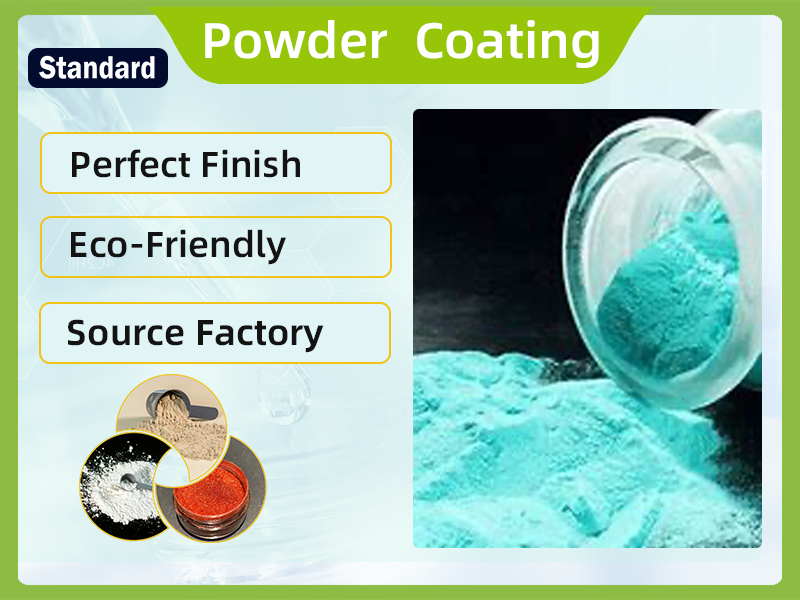 |
Polyurethane Powder Coatings | Seller: Standard International Group (HK) Limited | Feature: -Excellent exterior exposure durability -Good flowing -Excellent chemical resistance ... |
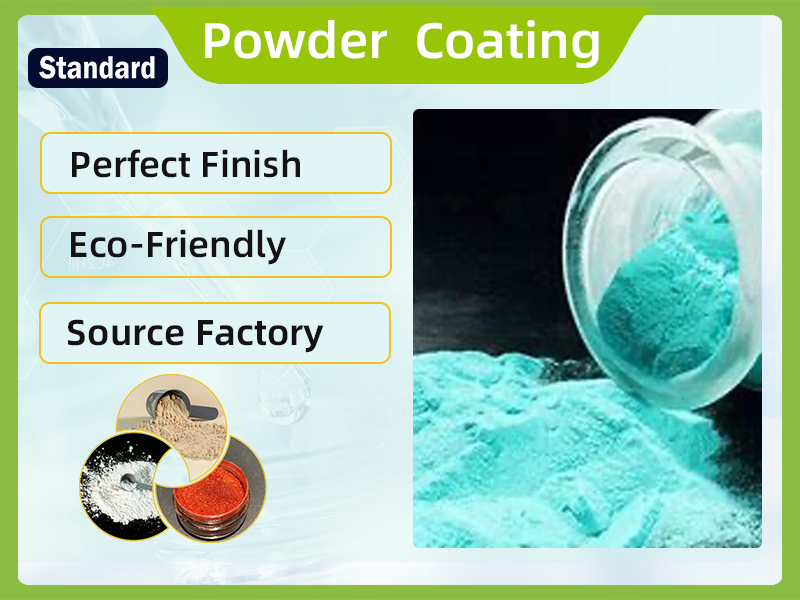 |
MDF Powder Coating | Seller: Standard International Group (HK) Limited | Feature: -Environmental friendly -No solvents and volatile organic compounds involved which are... |

