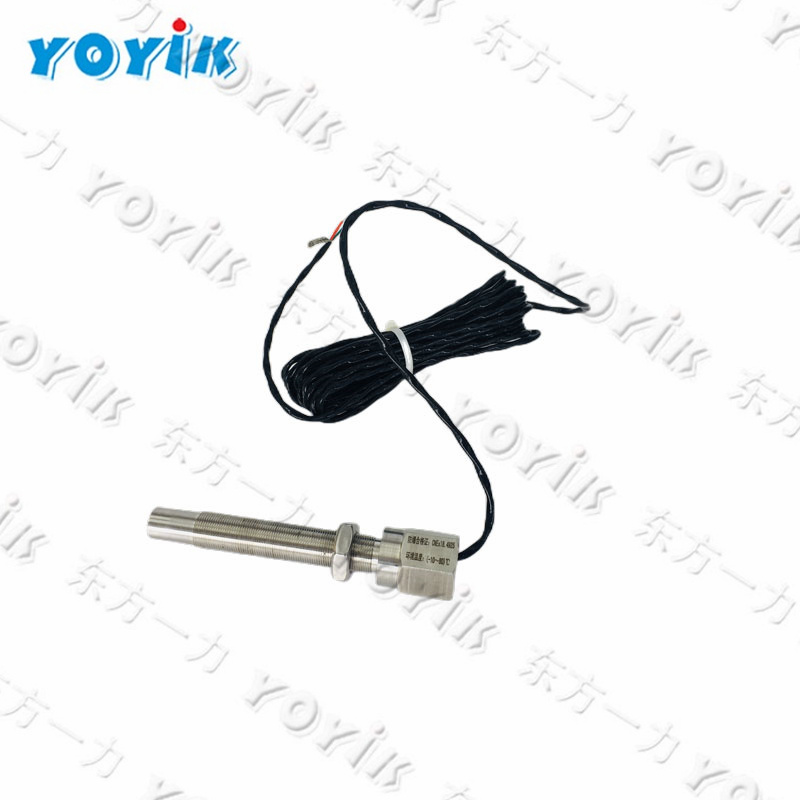
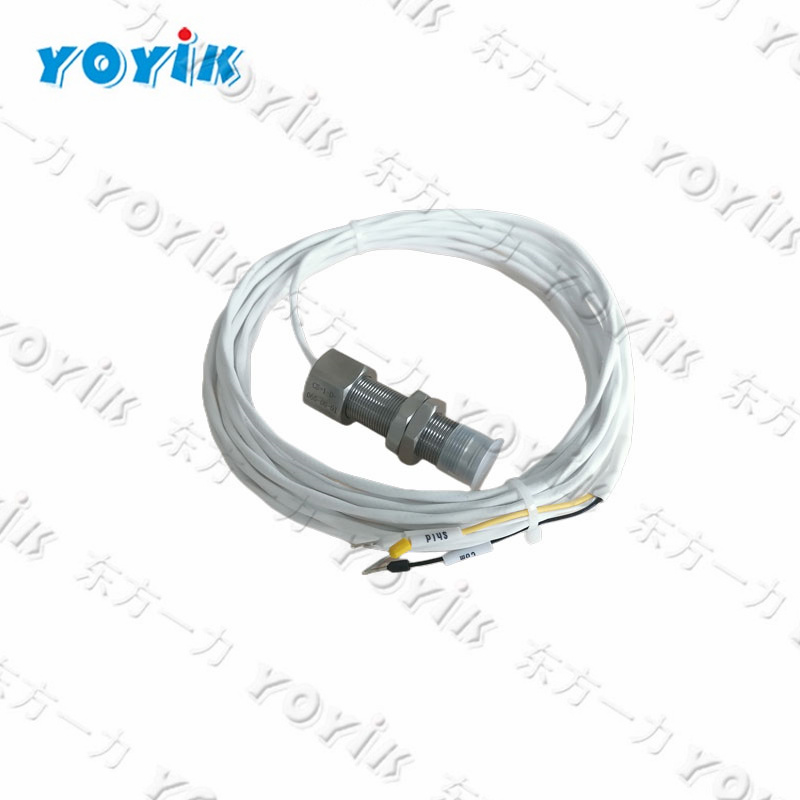
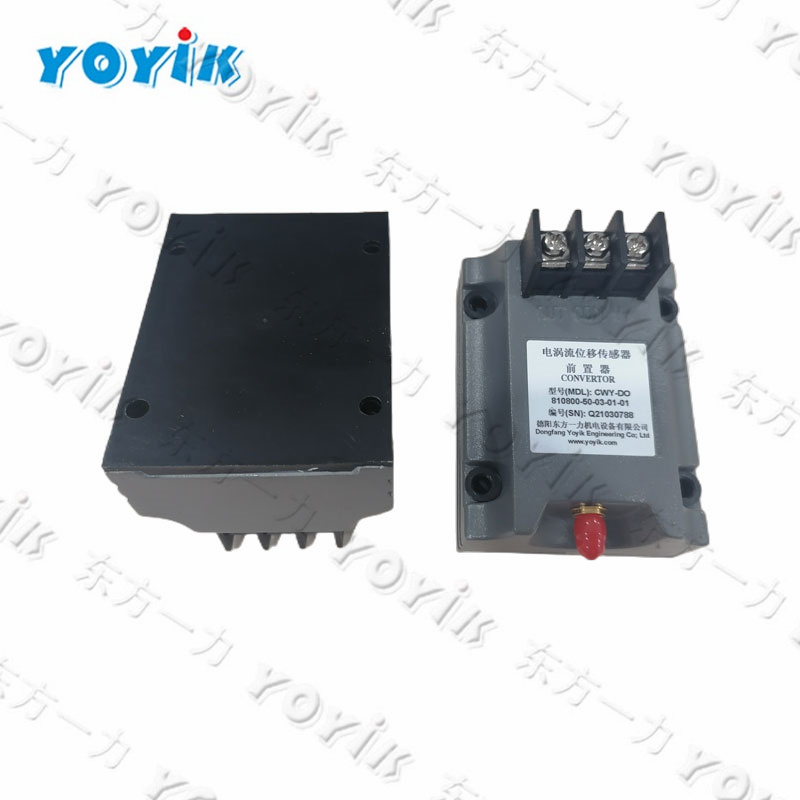
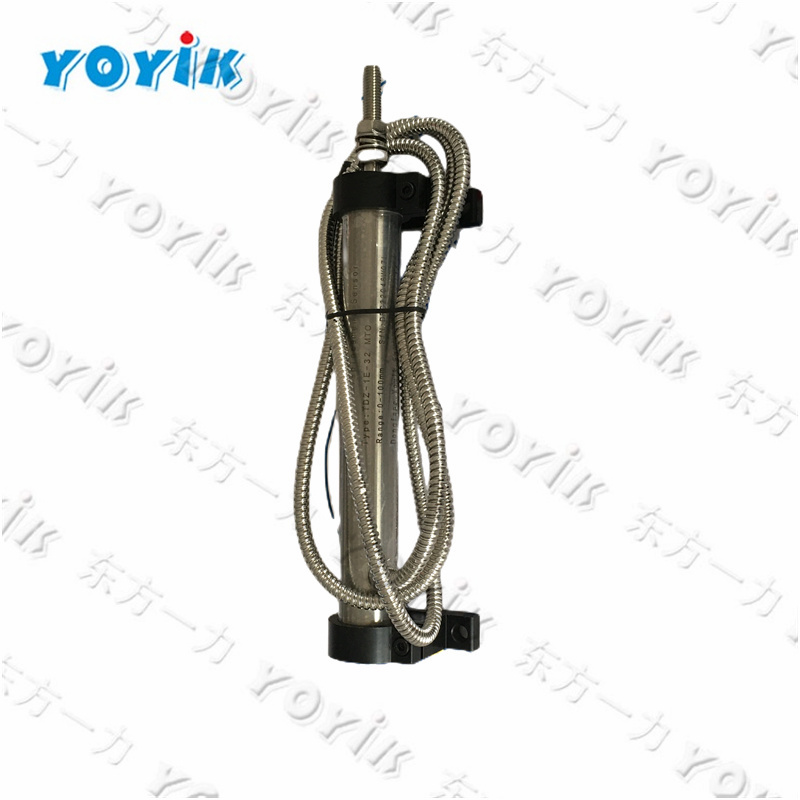
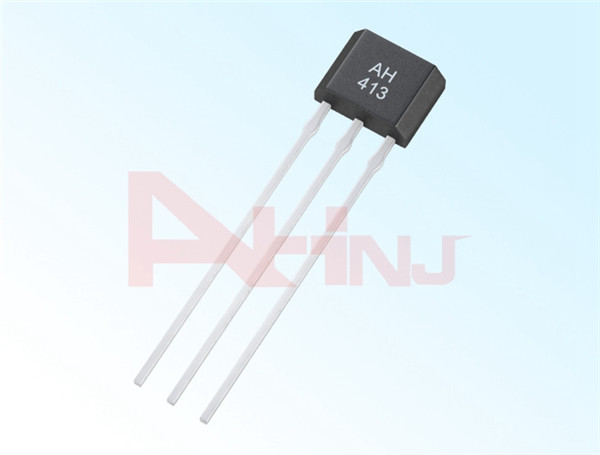
Latch Type Hall Sensor AH413

Featuresof our
Rated working voltage 4.5 V ~ 24 V, the limit voltages as low as 3.5 V;
Operating temperature range: -55℃ ~ 150℃;
Rated output current(sink) : 25 mA, the maximum output current(sink): 50 mA;
Switch response time is about 1μs, the operating frequency DC ~ 100 kHz;
Small temperature drift between operating point and release point;
No mechanical contact, no spark, switch signal stability, no shaking moment, high reliability and safety;
Products meet the EU RoHS instruction 2011/65 / EU and REACH regulations 1907/2006 / EU requirements.
is one of bipolar excitation single-ended digital output . The output signal owns latch function. Thechip has built-in reverse voltage protection, voltage regulators, temperature compensation circuit, Hall-voltage generator, signal amplifier, Schmitt trigger and open collector output drives circuit unit. Excellent voltage regulator and temperature compensation circuit ensure the sensor stable operates over a wide voltage range and temperature range, and the reverse voltage protection circuit avoids the sensor to be damaged by reverse voltage.
More information please view:
Send product request
Other supplier products
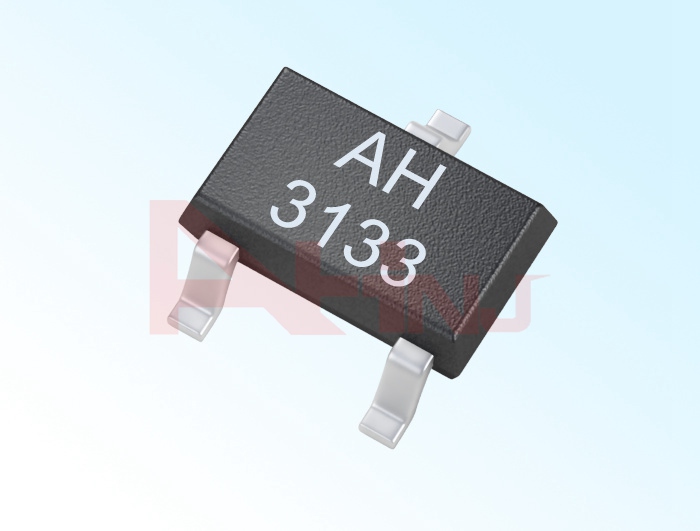 |
Unipolar Type Hall Sensor AH3133 | Unipolar Type Hall SensorAH3133 Hall Sensor Hall Switch Features Rated working voltage 4.5 V ~ 24 V, the limit voltages as low as 3.5 V; Operating ... |
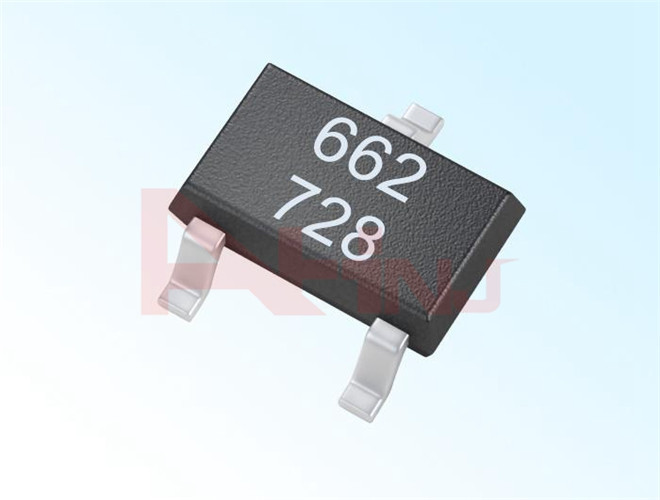 |
Micropowr Hall Sensor AH3662 | AH3662Rated supply voltage 2.4 V ~ 5.5 V; Features Micropower designing; Rated supply voltage 2.4 V ~ 5.5 V; Omnipolar operating, no &ldquo... |
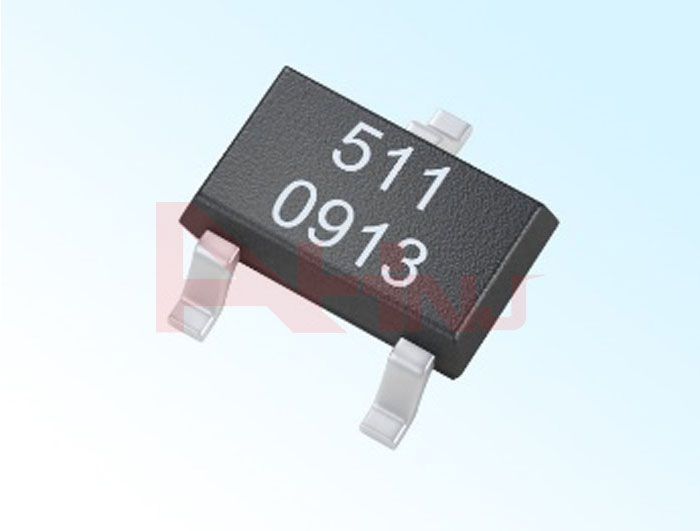 |
Linear Hall Sensor AH3511 | Linear Hall Sensor AH3511 Hall Sensor Hall Switch Features Rated working voltage 4.5 V ~ 6 V,; Operating temperature range: -40℃ ~ 125℃; Rail to Ra... |
 |
Linear Hall Sensor AH3507 | AH3507 Features Rated working voltage 4.5 V ~ 6 V; Operating temperature range: -40℃ ~ 125℃; Rail to Rail voltage output, Rated output current : ... |
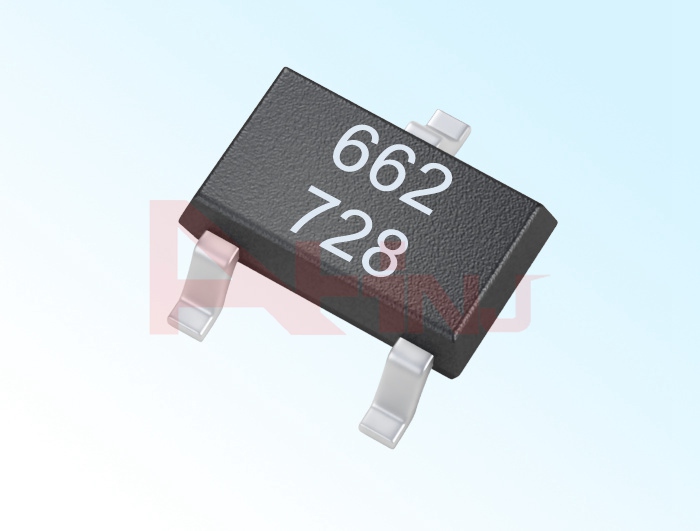 |
Hall Effect Sensor Manufacturer | AH3662 is an Omnipolar , special designed circuit make it owns omnipolar(regardless S pole or N pole) magnetic field excitation function, excellen... |