Hangzhi CIT High Precision Split Core current transducer



The CIT series high precision split core current transducer is developed by Hangzhi based on the fluxgate technology and can realize the isolated measurement of DC current and AC current.
Measuring range: from ±100A to ±1500A.
Accuracy: 0.05%.
Linearity: 0.02%.
Hole diameter: 40mm.
Zero offset current/I: ±30uA.
Operating temperature: -30°C~75°C.
Bandwidth (3dB): 350kHz.
Response time: 2us.
The non-intrusive installation of a CIT split-core fluxgate current transducer is one of its key advantages. There is no need to disrupt the circuit by simply clamping the device around the conductor, making it a feasible alternative for monitoring existing systems without generating downtime.
These transducers are used in a variety of applications, including power distribution, energy management, industrial automation, and others. They are critical in allowing for efficient energy use, monitoring electrical systems, and guaranteeing safe and reliable operation.
Send product request
Other supplier products
 |
AIT1500-10V High-Precision Current Sensor Transducer | AIT1500-10V имеет высокий коэффициент усиления и точность измерения во всем диапазоне полосы пропускания благодаря применению многоточечной системы... |
 |
DIT600-SG high-precision digital current sensor | Высокоточные цифровые датчики тока DIT600-SG — это новое поколение цифровых датчиков, разработанных и произведенных Hangzhi. Этот продукт исп... |
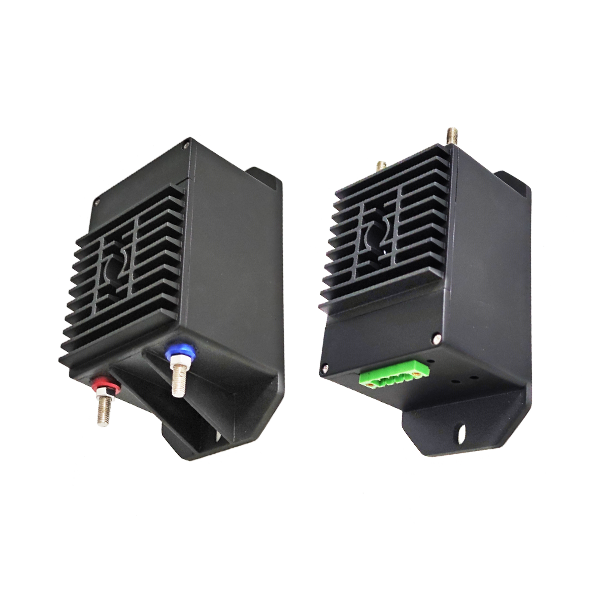 |
HCV1500 High-precision Voltage Sensor | HCV1500 high-precision voltage sensor is a voltage sensor that can measure DC, AC, pulse and various irregular waveforms under the condition of com... |
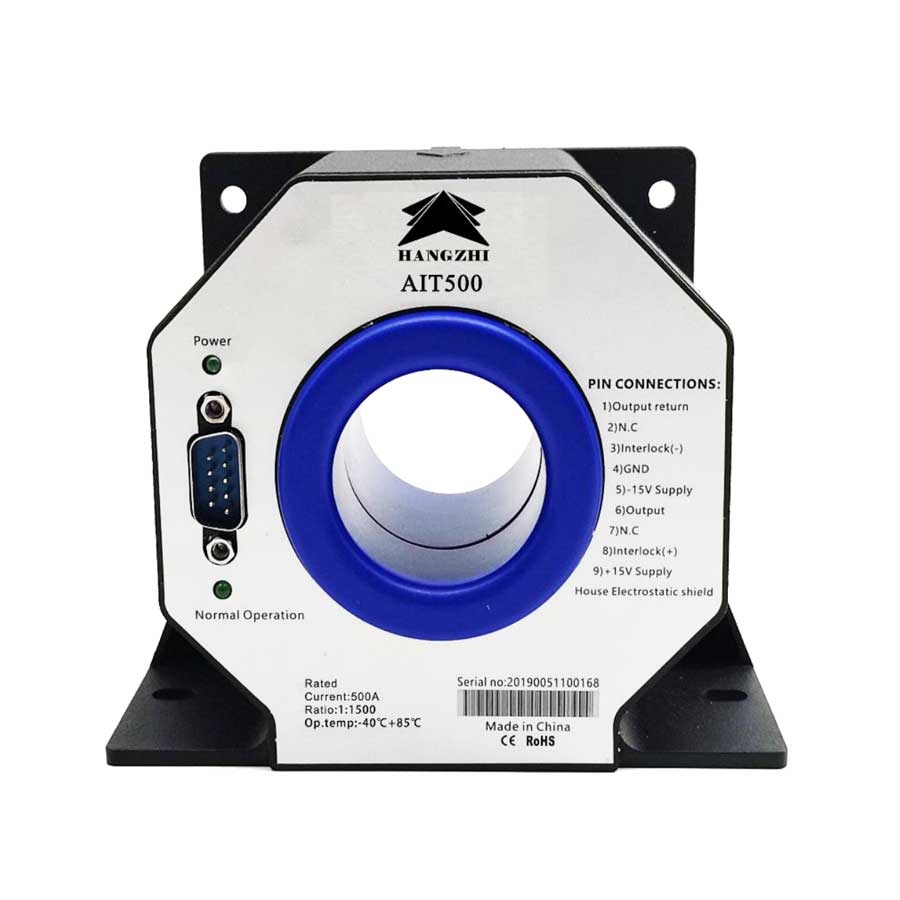 |
AIT500-SG High-Precision Current Sensor Transducer | AIT500-SG has a high gain and measurement accuracy in the full bandwidth range, due to theapplicationofthe multi-point zero-flux technology system ... |
 |
BMS300 Automotive Current Sensor Transducer | BMS300 fluxgate transducer is made of an excitation magnetic ring and a control circuit. Under normal conditions, the control circuit generates a f... |