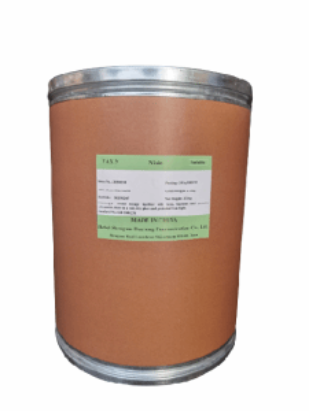
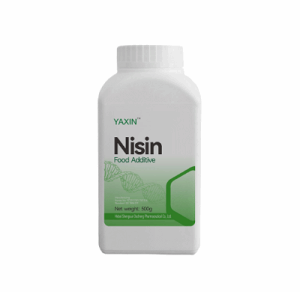
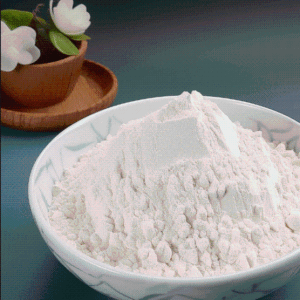
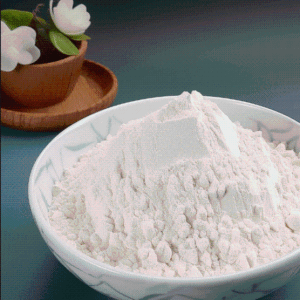
Nisin Price 25KG

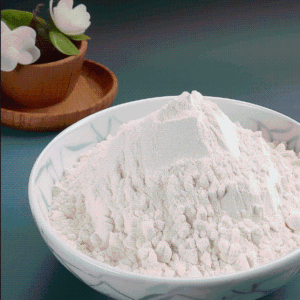
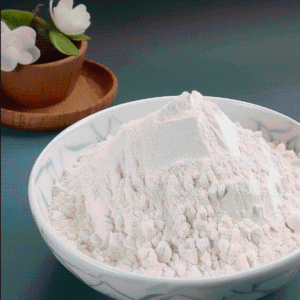
Food Industry: Natural Preservation Nisin's main role here is to inhibit pathogenic and spoilage bacteria, extend food shelf life, and reduce reliance on synthetic preservatives (e.g., sodium benzoate) or excessive heat processing (which can damage food nutrients and flavor). Typical applications include: Dairy products: Added to pasteurized milk, cheese, yogurt, and ice cream to prevent the growth of Listeria monocytogenes (a major risk in refrigerated dairy) and spoilage bacteria like Bacillus species. For example, in cheese production, nisin inhibits late blowing (a defect caused by Clostridium tyrobutyricum, which produces gas and off-flavors). Meat and poultry products: Used in processed meats (e.g., sausages, ham, deli meats) and raw poultry to control Listeria monocytogenes and Staphylococcus aureus. It is often combined with other hurdles (e.g., low temperature, modified atmosphere packaging) for enhanced preservation. Canned and bottled foods: Added to acidic canned foods (e.g., canned tomatoes, pickles) or bottled beverages (e.g., fruit juices) to suppress heat-resistant bacterial spores (e.g., Clostridium botulinum spores), allowing for milder heat treatments that preserve food texture and nutrients. Plant-based foods: Used in plant-based meats (e.g., soy-based sausages) and fermented plant foods (e.g., sauerkraut) to prevent spoilage and pathogen contamination, especially during refrigerated storage.
Other supplier products
|
|
Precautions of nisin for Use |
To maximize efficacy and ensure safety, the following precautions must be observed when using Nisin in meat products:Precise Dosage Control: The re... |
|
|
Nisin's antimicrobial activity |
The stability of nisin is intrinsically linked to its antimicrobial efficacy, as it directly determines the integrity of its molecular structure, b... |
|
|
Nisin Supply price 500g |
Safety risk control and precautions of NisinDosage compliance: The usage limits stipulated in regulations such as GB 2760 must be strictly followed... |
|
|
Chlortetracycline Premix Price |
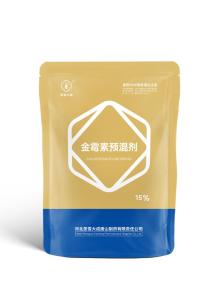
Characteristics and uses of Chlortetracycline Premix 1. features: Natural fermentation products: Chlortetracycline Premix is a non-chemical synthes... |
|
|
Large supply Nisin |
Nisin is considered a natural preservative because it is derived from the fermentation of bacteria. As a result, it aligns with consumer preference... |
All supplier products
Same products