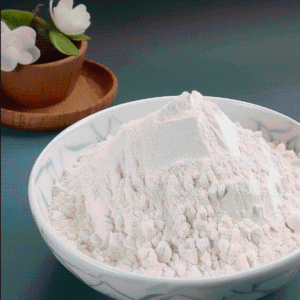
Phosphatidylserine Powder Marke quotation

Phosphatidylserine is the most well-validated nutrient for preserving cognitive function, with advantages that are both structural and regulatory, and applicable to multiple age groups.
Structural support for neuronal membranes: Phosphatidylserine constitutes 5–10% of the phospholipids in brain cell membranes, where it maintains membrane fluidity, permeability, and the spatial arrangement of membrane-bound proteins (e.g., neurotransmitter receptors, ion channels). Unlike other phospholipids (e.g., phosphatidylcholine), phosphatidylserine has a high affinity for neuronal cells and can cross the blood-brain barrier efficiently after oral supplementation. This allows it to directly replenish the declining phosphatidylserine content in aging brains, reversing the loss of membrane fluidity and restoring synaptic signal transmission efficiency—an advantage that no other phospholipid can match in terms of brain-targeted delivery.
Enhanced synaptic plasticity and cognitive function: Phosphatidylserine promotes the expression of brain-derived neurotrophic factor (BDNF), a protein that stimulates neuronal growth and synaptic plasticity—the molecular basis of memory and learning. Clinical evidence confirms that phosphatidylserine supplementation improves memory recall, attention span, and executive function in healthy elderly adults and individuals with mild cognitive impairment (MCI). For children with attention deficit hyperactivity disorder (ADHD), phosphatidylserine supplementation (combined with omega-3 fatty acids) can reduce inattention and hyperactivity symptoms by regulating dopamine and serotonin neurotransmission, with fewer side effects compared to stimulant medications.
Neuroprotection against aging and neurodegeneration: Phosphatidylserine inhibits the overactivation of pro-inflammatory pathways (e.g., NF-κB) in the brain and reduces the accumulation of reactive oxygen species (ROS) and lipid peroxides in neuronal cells. It also interferes with the aggregation of amyloid-beta (Aβ) peptides and the hyperphosphorylation of tau protein—two key pathological hallmarks of Alzheimer’s disease (AD). Unlike many neuroprotective compounds, phosphatidylserine acts on multiple pathological targets simultaneously, slowing the progression of age-related cognitive decline without causing adverse reactions.
Other supplier products
|
|
Phosphatidylserine Powder Price |
Phosphatidylserine powder, also known as serine phosphatidylserine or diacylglycerol phosphate serine, belongs to the phospholipid class. It is the... |
|
|
Phospholipids in Beverages |
Phospholipids in Beverages (Dairy Drinks, Plant Milk, Functional Drinks)Core purpose: Emulsify oil-water mixtures (prevent separation) and improve ... |
|
|
Phospholipids act as natural emulsifiers and absorption enhancers |
Phospholipids act as natural emulsifiers and absorption enhancers in functional foods, significantly improving the bioavailability of poorly solubl... |
|
|
Phospholipid Wholesale Price |
In general, the higher the purity of phospholipids, the better, especially in certain specific applications. High-purity phospholipids typically of... |
|
|
High quality Phospholipid |
Phospholipids can undergo hydrolysis, a chemical reaction in which water is used to break the ester bonds between the glycerol backbone and the fat... |
All supplier products
Same products