

Contact Lens Luminous Transmittance Analyzer

Get a quote:
Whats/App: +86 185 0176 3615
Web: qinsun-lab.com
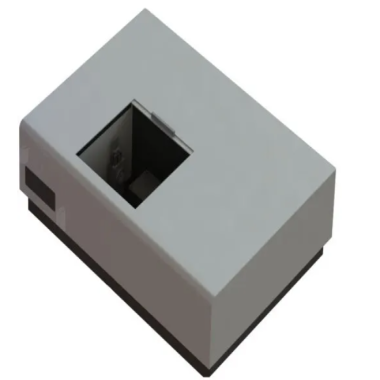
The Contact Lens Luminous Transmittance Analyzer is a precision instrument designed to measure the spectral transmittance of soft and hard contact lenses, including hydrogel, silicone hydrogel, artificial cornea, RGP, and Ortho-K lenses. The instrument integrates a built-in integrating sphere to ensure highly accurate measurements that comply with international standards. It features a specially designed lens clamp that prevents deformation, enabling reliable and repeatable results. This analyzer is ideal for manufacturers, laboratories, and research institutions focusing on optical performance evaluation and quality control of contact lenses.
Application
(1) Measurement of spectral transmittance for soft contact lenses (hydrogel/silicone hydrogel/artificial cornea).
(2) Measurement of spectral transmittance for hard contact lenses (RGP, Ortho-K).
(3) Quality control in contact lens manufacturing.
(4) Research and development of new lens materials with specific optical properties.
(5) Verification of compliance with national and international standards for ophthalmic optics.
(6) Optical characterization for product certification and regulatory submission.
Standards
(1) GB/T 11417.5 – Ophthalmic optics – Contact lenses – Spectral transmittance test method.
(2) ISO 18369 – Ophthalmic optics – Contact lenses – Requirements and test methods.
(3) ANSI Z80.20 – American National Standard for Contact Lens Optical Properties.
(4) ISO 8980-4 – Ophthalmic optics – Lenses for correction of vision – Part 4: Transmittance specifications.
(5) IEC 61010 – Safety requirements for laboratory and measuring equipment.
Technical Parameters
| Parameter | Specification |
|---|---|
| Measurement Medium | Air, solution (pure water or standard salt solution) |
| Measuring Aperture | 6 mm |
| Maximum Lens Diameter | 18 mm |
| Wavelength Range | 280–780 nm |
| Wavelength Interval | 1–10 nm adjustable (default 5 nm) |
| Transmittance Repeatability | <1.0% |
| Absolute Transmittance Error | <1.0% |
| Instrument Size (W×D×H) | 600 × 440 × 190 mm |
| Weight | ~26.5 kg |
| Power Supply | AC 100–220 V, 50 Hz, 150 W |
| Operating System | Windows 7/8/10/11 |
| Data Interface | USB |
Send product request
Other supplier products
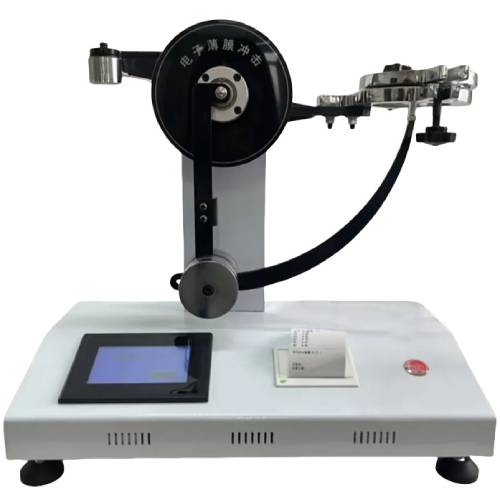 |
Pendulum Impact Testing Machine For Plastic Film | ASTM ISO Testing Machine | Get a quote: Web: qinsun-lab.com Whats/App: +86 185 0176 3615 Pendulum Impact Testing Machine for Plastics and Composite Materials.Pendulum Impa... |
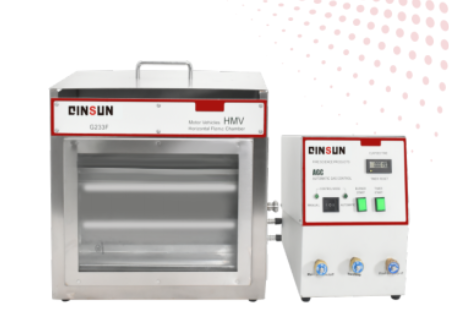 |
Fabric horizontal burning tester | Get a quote: Whats/App: +86 185 0176 3615 Web: qinsun-lab.com Email: serving@qinsun-lab。com Standard QB/T 2729: Leather – Horizontal fla... |
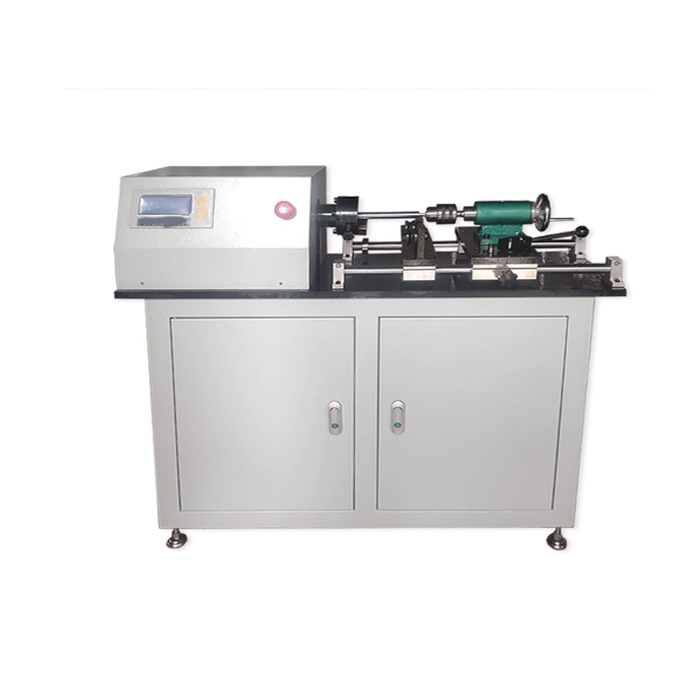 |
Wire Torsion and Winding Tester | Get a quote: Whats/App: +86 185 0176 3615 Web: qinsun-lab.com The Wire Torsion and Winding Tester is a versatile instrument designed to perform ... |
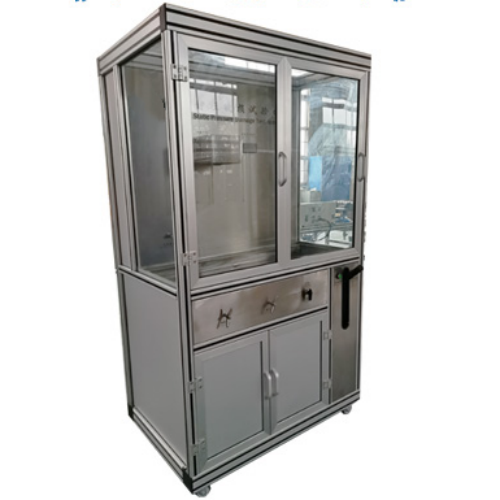 |
Oil Filter Hydrostatic Breakage Tester | ASTM ISO Testing Machine | Get a quote: Whats/App: +86 185 0176 3615 Web: qinsun-lab.com The Oil Filter Hydrostatic Breakage Tester is a test bench independently developed... |
 |
Yarn Twist Tester ASTM D1907 | Get a quote: Whats/App: +86 185 0176 3615 Web: qinsun-lab.com The Yarn Twist Tester is a precision instrument designed to measure the twist leve... |
Same products
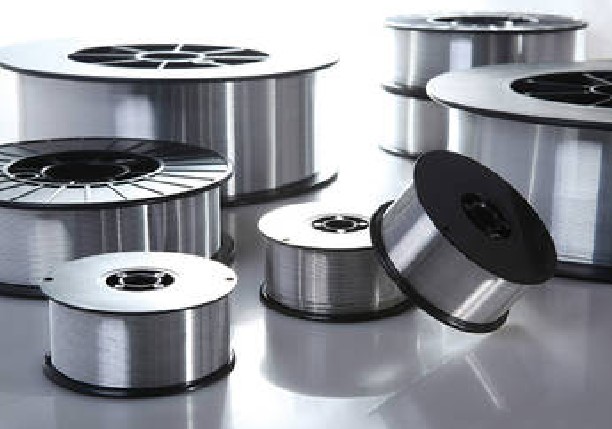 |
ER4043 Silicon Aluminum Welding Wire | Seller: 868776 | Hangzhou Kunli Welding Materials Co., Ltd. specializes in manufacturing high-quality welding mate... |
 |
Choosing the Right Equipment for Heavy-Duty Cleaning | Seller: Taizhou Feike Mechanical Technology Co., Ltd. | FEIKE’s High Pressure Washer is designed for industrial cleaning, equipment maintenance, ve... |
 |
ER4043 Silicon Aluminum Welding Wire | Seller: 868776 | Hangzhou Kunli Welding Materials Co., Ltd. offers ER4043 Silicon Aluminum Welding Wire for alumin... |
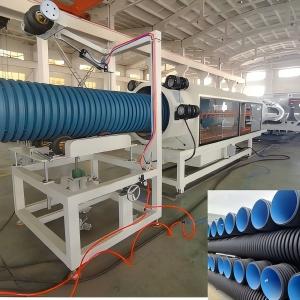 |
HDPE High Speed Water Cooled Double Wall Corrugated Pipe Extrusion Line | Seller: Shandong HUASU Plastic Technology Co.,Ltd. | The molds adopt the double flow channel structure and nitriding polishing processed die head. Thi... |
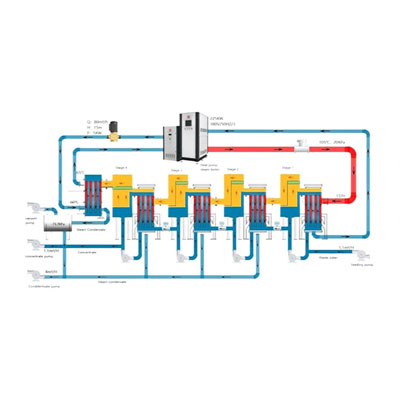 |
PanEVAP & MVR system | Seller: Yangzhou Panstar Heat Exchanger Equipment Co., Ltd | A multiple-effect evaporator is a device that efficiently uses steam heat to evaporate water. Wat... |

