

Fabric Friction Charge Tester

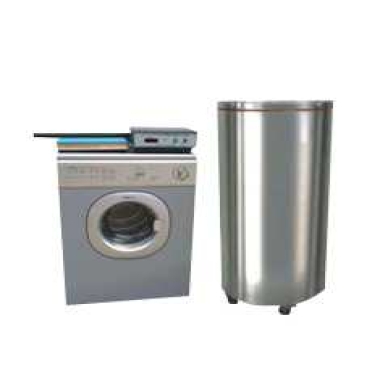
The Fabric Friction Charge Tester is a precision instrument designed to measure the electrostatic charge generated on fabrics and knitted textiles during friction. It consists of a friction device and a potential measuring system, including a Faraday tube and an electrostatic potentiometer. The instrument accurately evaluates the electrostatic characteristics of fabrics under laboratory conditions. It is widely used for R&D, quality control, and antistatic performance testing, complying with standards such as GB 12059, GB 12014, GB/T 01060, GB/T 12703.3, and JIS L1094.
Application
The tester is suitable for woven, knitted, and nonwoven fabrics, evaluating antistatic performance in textiles used for apparel, home textiles, protective clothing, and industrial fabrics. It provides accurate laboratory testing for electrostatic behavior, supporting quality control and research in the production of antistatic materials. The instrument is especially advantageous for detecting friction-induced charge under controlled conditions.
Standards
GB 12059: Frictional charge test method for antistatic textiles
GB 12014: Textile electrostatic properties
GB/T 01060: Standard for textile electrostatic testing
GB/T 12703.3: Electrostatic characteristics of fabrics
JIS L1094: Japanese standard for frictional voltage measurement
Feature
The measuring device integrates a friction device and potential measurement system for precise testing.
The potential measurement system consists of Faraday tube and electrostatic potentiometer components.
Faraday tube is grounded, while the potentiometer is placed on the bench or desktop.
Measures electrostatic charge accurately under controlled laboratory conditions.
Suitable for R&D, quality control, and antistatic textile evaluation.
High measurement sensitivity with stable readings.
Compact design with easy installation and operation.
Parameters
| Parameter | Specification |
|---|---|
| Measurement range | 0 – 2 μC |
| Precision | 0.001 μC |
| Input impedance | >10 Ω |
| Roller friction machine | Diameter ≥ 590 mm; depth ≥ 360 mm |
| Faraday tube | Diameter 500 mm; depth 1350 mm |
| Dimensions | 1200 × 600 × 1400 mm |
| Power supply | AC 220V 50Hz, 1.5 KW |
| Weight | 65 kg |
Send product request
Other supplier products
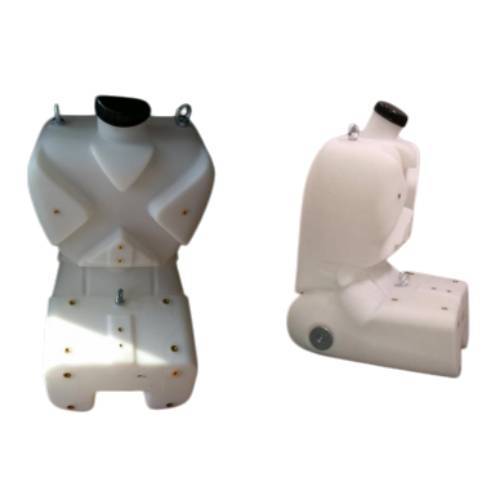 |
Split-Body Counterweight Dummy - Hollow | Get a quote: Whats/App: +86 185 0176 3615 Web: qinsun-lab.com The Split-Type Ballast Weight Dummy is a highly versatile weight simulation tool... |
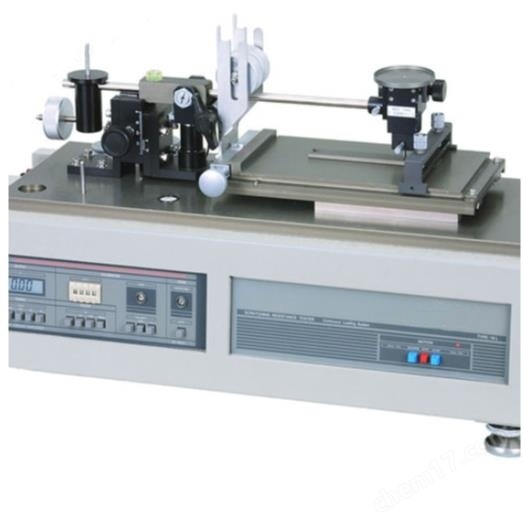 |
Continuous Load Scratch Resistance Tester | Get a quote: Whats/App: +86 185 0176 3615 Web: qinsun-lab.com The Continuous Load Scratch Resistance Tester is designed to evaluate surface scra... |
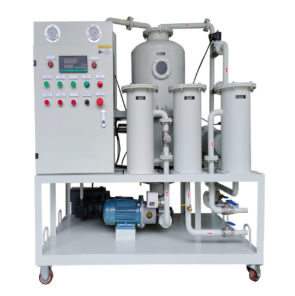 |
Hydraulic Oil Precision Filter Tester | Get a quote: Whats/App: +86 185 0176 3615 Web: qinsun-lab.com The Hydraulic Oil Precision Filter Tester is a specialized filtration device for p... |
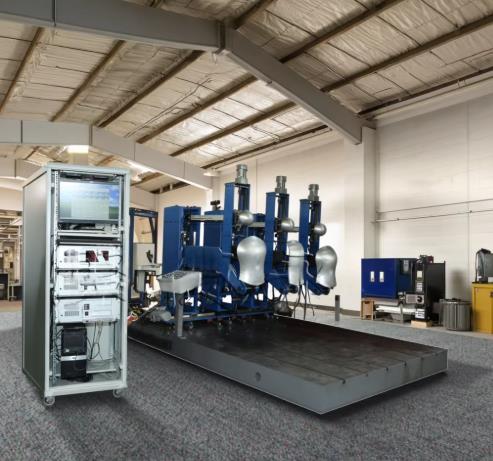 |
Headrest and Backrest Static Strength Testing Machine | Get a quote: Whats/App: +86 185 0176 3615 Web: qinsun-lab.com The Automotive Seat Three-Station Headrest and Backrest Static Strength Testing Ma... |
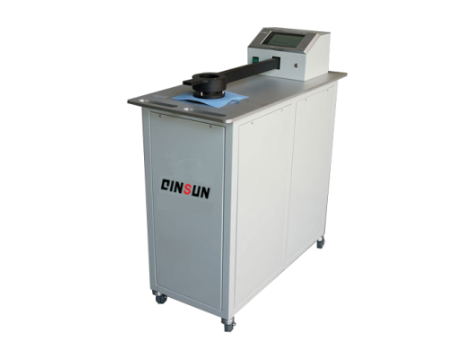 |
Air Permeability Tester | Testing Equipment | Get a quote: Whats/App: +86 185 0176 3615 Web: qinsun-lab.com Air Permeability Tester of textile fabrics complies with ASTM D737. ISO 9237/7231.... |
Same products
 |
Choosing the Right Equipment for Heavy-Duty Cleaning | Seller: 868255 | FEIKE’s High Pressure Washer is designed for industrial cleaning, equipment maintenance, ve... |
 |
ER4043 Silicon Aluminum Welding Wire | Seller: 868776 | Hangzhou Kunli Welding Materials Co., Ltd. offers ER4043 Silicon Aluminum Welding Wire for alumin... |
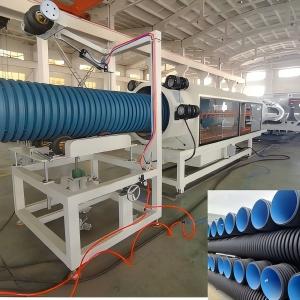 |
HDPE High Speed Water Cooled Double Wall Corrugated Pipe Extrusion Line | Seller: Shandong HUASU Plastic Technology Co.,Ltd. | The molds adopt the double flow channel structure and nitriding polishing processed die head. Thi... |
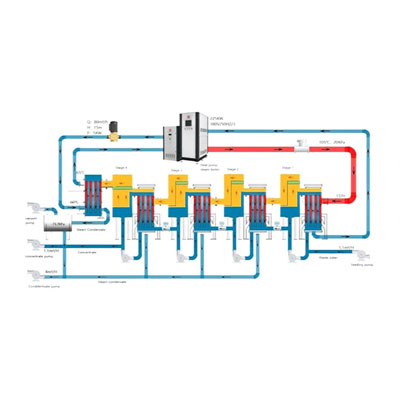 |
PanEVAP & MVR system | Seller: Yangzhou Panstar Heat Exchanger Equipment Co., Ltd | A multiple-effect evaporator is a device that efficiently uses steam heat to evaporate water. Wat... |
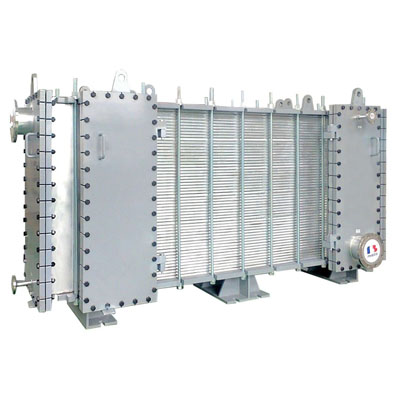 |
PanGAP wide gap welded plate heat exchanger | Seller: Yangzhou Panstar Heat Exchanger Equipment Co., Ltd | PanGAP wide gap welded plate heat exchangerconsists of a welded plate pack with different channel... |

