

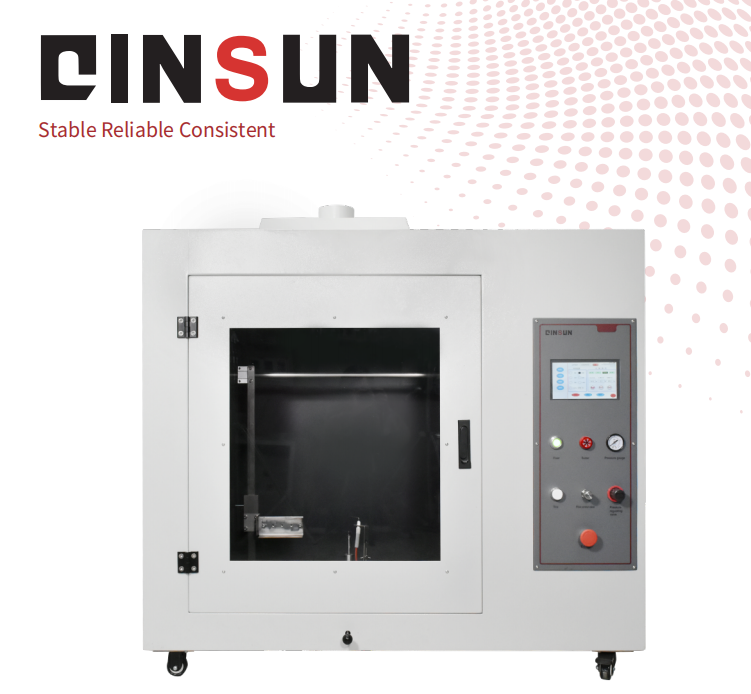
Needle Flame Tester,adjustable flame length tester

Whats/App: +86 156 1874 6768
Web: standard-groups.com
The needle flame test uses a needle-shaped burner of a specified size (0.9 mm), supplied with a specific gas (butane or propane), to apply a flame to the test specimen at a 45° angle for a set duration. The flammability risk of small flames caused by fault conditions within the equipment is assessed based on whether the specimen and the ignition support layer ignite, the duration of combustion, and the length of the flame.
Application
The needle flame tester is widely used in various fields, including but not limited to the following applications:
Electrical and electronic equipment: Used to evaluate the flame retardant performance of electrical and electronic products, ensuring the safety of equipment under abnormal conditions.
Household appliances: Used to test the flame retardant performance of materials inside household appliances, ensuring home safety.
Building materials: Used to evaluate the flame retardant performance of building materials, ensuring the safety of building structures.
Automotive interior parts: Used to evaluate the flame retardant performance of automotive interior parts, ensuring safety inside the vehicle.
Aerospace materials: Used to evaluate the flame retardant performance of aerospace materials, ensuring flight safety.
The needle flame tester assesses the flammability risk of materials by simulating small flames under fault conditions. It complies with international and domestic standards and is an important tool for improving product fire safety performance and ensuring personal and property safety.
Standard
GB/T 5169.5: Electrical & Electronic Equipment – Needle Flame Test Method
IEC 60695-11-5/IEC 60695-2-2: Fire Hazard Testing – Needle Flame Test Apparatus
IEC 60745-1/IEC 60335-1: Safety of Handheld Motor-Operated Tools & Household Appliances
IEC 60950-1/IEC 60598-1/IEC 60065: IT Equipment, Luminaires, & Audio/Video Safety
Advantages
Realistic Fault Simulation: Mimics small flames (≤12mm) from internal equipment faults using a 45° angled needle burner.
Precision Compliance: Meets IEC/GB standards for electrical product safety certification.
Automated Control: PLC + touchscreen for flame height adjustment, timing, and data logging.
High-Accuracy Flame: Stainless steel burner (Φ0.5±0.1mm) with butane/propane fuel for stable ignition.
Safety First: Auto-exhaust system and flame height calibration prevent operational risks.
Multi-Material Testing: Evaluates insulation materials, engineering plastics, and solid combustibles.
Features
Needle Burner Design: Φ0.5mm inner hole, 45° tilt angle for precise flame application.
Smart Touch Interface: Programmable control of combustion time (0–999.9s), flame height (12±1mm), and gas flow.
Flame Calibration: Auto-measures temperature rise (100°C→700°C in 23.5±1.0s) with K-type thermocouple.
Sample Bed: White pine board (10mm) + silk paper layer for realistic ignition testing.
Large Chamber: >0.5 m³ (customizable to 0.75/1 m³) with black background (
Exhaust System: 100mm diameter pipe with silent anti-backflow design.
Technical Parameters
| Parameter | Specification |
|---|---|
| Burner Specs | Stainless Steel; Inner Φ0.5±0.1mm; Outer Φ0.9mm; Length >35 mm |
| Flame Angle | Vertical (Calibration) / 45° (Test) |
| Combustion Gas | 95% Butane/Propane |
| Flame Temperature | 100–700°C (Rise Time: 23.5±1.0s) |
| Test Time | 0–999.9s (Adjustable; Default: 30s) |
| Burning Time Recording | 0–9999s (Automatic) |
| Chamber Volume | >0.5 m³ (900×590×1050 mm); Custom Options: 0.75/1 m³ |
| Exhaust Pipe | Φ100 mm |
| Control System | PLC + 7-inch Touchscreen |
| Dimensions (W×D×H) | 1120 × 520 × 1250 mm |
| Net Weight | 80 kg |
| Power Supply | AC 220V ±10%, 50Hz |
| Temperature Range |
0–1000°C (K-Type Thermocouple) |
Test Procedures
The operating procedure for the needle flame tester includes the following key steps:
Preparation: Ensure the instrument is in good condition, all components are present, and the power cord and connecting cables are intact.
Setting test parameters: Turn on the instrument's power, enter the main menu, and set test parameters such as temperature, time, and oxygen concentration.
Sample preparation: Place the sample on the test platform, ensuring the sample is flat and undamaged.
Starting the test: Press the "Start" button to begin the test. Observe the test process to ensure it proceeds smoothly.
Test completion: Press the "Stop" button to end the test. Adjust the angle of the needle flame gun so that the flame is applied vertically to the tested material.
During operation, operators should be familiar with the structure, principle, and operating method of the needle flame tester, ensure that the distance between the sample and the needle flame nozzle meets the requirements, and pay attention to safety to avoid accidents.
Send product request
Other supplier products
 |
Safety Helmet Roll-off Testing Equipment | Whats/App: +86 156 1874 6768 Web: standard-groups.com The safety helmet retention test equipment is a device used to evaluate the stability of a ... |
 |
Air Heated Voltage Breakdown Test Apparatus | Get a quote: Whats/App: +86 156 1874 6768 Web: standard-groups.com Application Mainly suitable for solid insulating materials such as wire bush... |
 |
ISO 25178 3D Optical Surface Profilometer Manufacturer China | Get a quote: Whats/App: +86 156 1874 6768 Web: standard-groups.com Large-Area 3D Optical Surface Profilometer is a high-performance three-dimens... |
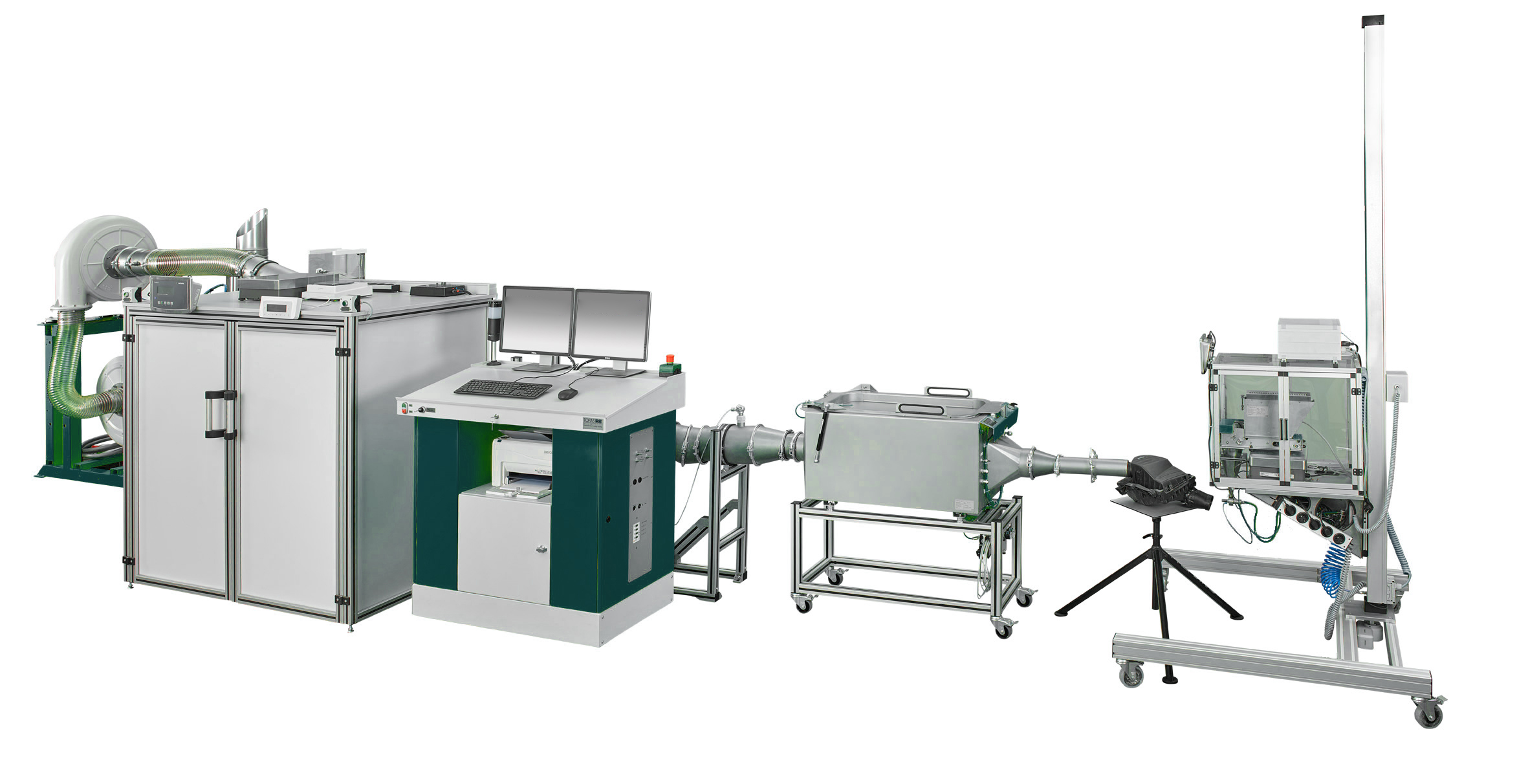 |
Air Intake Filter Test System,ISO 5011 Air Intake Filter Performance Test System | Whats/App: +86 156 1874 6768 Web: standard-groups.com The Air Intake Filter Test System is designed for testing industrial air filters and engine... |
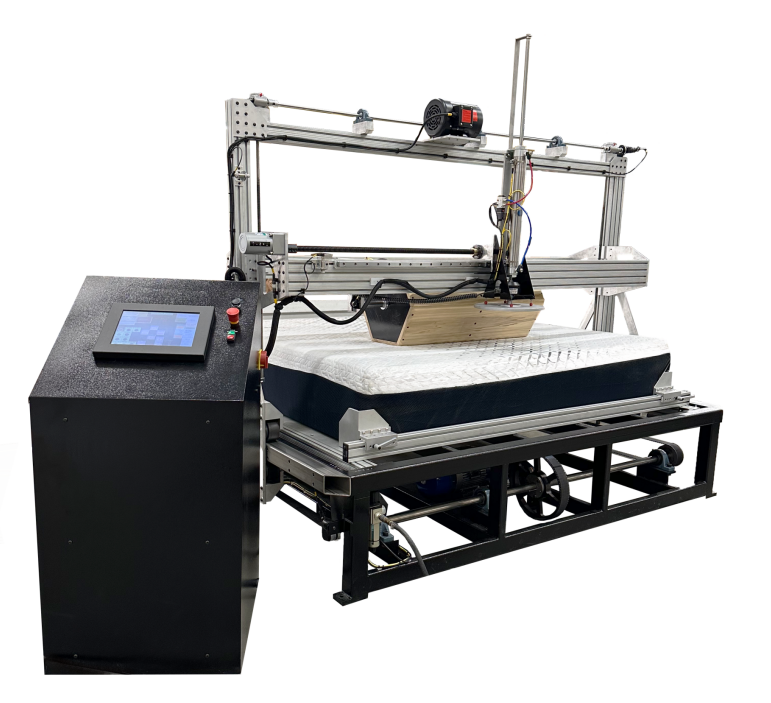 |
Mattress Fatigue Tester | Get a quote: Whats/App: +86 156 1874 6768 Web: standard-groups.com The Mattress Rollator is a laboratory durability testing system designed to e... |
Same products
 |
HDPE High Speed Water Cooled Double Wall Corrugated Pipe Extrusion Line | Seller: Shandong HUASU Plastic Technology Co.,Ltd. | The molds adopt the double flow channel structure and nitriding polishing processed die head. Thi... |
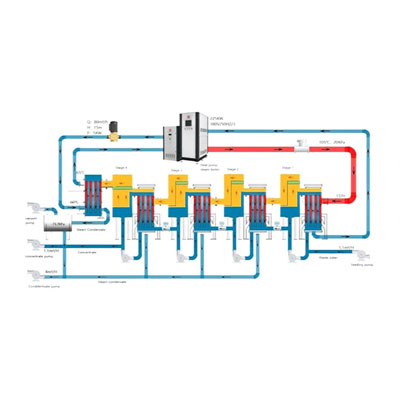 |
PanEVAP & MVR system | Seller: Yangzhou Panstar Heat Exchanger Equipment Co., Ltd | A multiple-effect evaporator is a device that efficiently uses steam heat to evaporate water. Wat... |
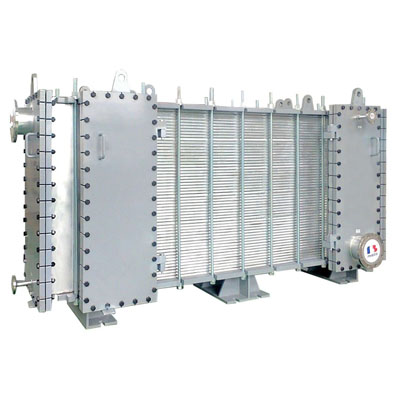 |
PanGAP wide gap welded plate heat exchanger | Seller: Yangzhou Panstar Heat Exchanger Equipment Co., Ltd | PanGAP wide gap welded plate heat exchangerconsists of a welded plate pack with different channel... |
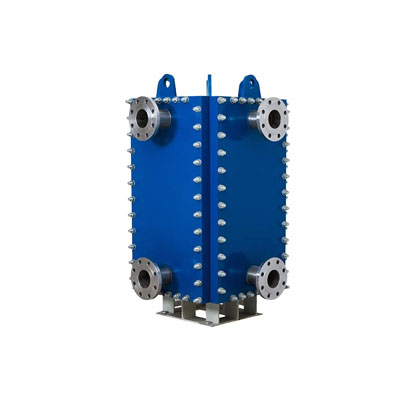 |
PanBloc welded plate heat exchanger | Seller: Yangzhou Panstar Heat Exchanger Equipment Co., Ltd | PanBloc welded plate heat exchangeris compact and efficient, although fully welded, is totally ac... |
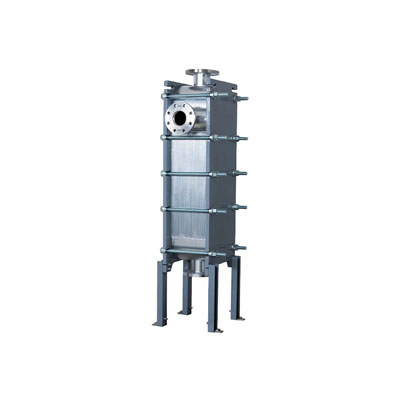 |
PanBox welded plate heat exchanger | Seller: Yangzhou Panstar Heat Exchanger Equipment Co., Ltd | PanBox welded plate heat exchangerconsists of a laser welded plate pack with optimized corrugated... |

