

Automatic catheter flexibility apparatus

Whats/App: +86 156 1874 6768
Web: standard-groups.com
Applications
The catheter flexibility tester is mainly used to evaluate the flexibility and durability of catheters or guidewires during bending or twisting processes. This equipment is widely applied in medical, industrial and other fields to ensure the safety and reliability of catheters during use. In the medical field, it is particularly suitable for evaluating the flexibility and durability of medical catheters such as blood vessel catheters, urinary catheters, and biliary catheters, ensuring that they will not cause harm to patients during use. In the industrial field, it can be used to assess the flexibility of catheters transporting fluids, gases and other media in different environments, ensuring their good performance during use. In addition, in fields such as aviation and automotive, the catheter flexibility tester is also used to evaluate the flexibility and durability of catheters under different temperature and pressure conditions.
Standards
ISO 10555 -Intravascular catheters- Sterile and single-use catheters
ISO 11o70- Catheter introducers, dilators, and guidewires
ASTM F2394-Guidewire mechanical property evaluation
ASTM F2908- Stiffness and flexibility of guidewires
ISO 178:2oo1 -Flexural properties of plastics (applicable to catheter materials)
Technical Parameters
| Parameter | Specification |
|---|---|
| Testing Range (Force Range) | Usually 0 - 10 kilograms or more, depending on the tester's model and specifications |
| Testing Stroke | Varies in vertical & horizontal directions; e.g., vertical stroke: 0 - 300mm, horizontal stroke: 0 - 700mm |
| Testing Speed | - Press-down Speed: Adjustable within 0 - 300mm/min- Wire-drawing Speed (for applicable testers): 0 - 500mm/min or faster |
| Catheter Clamping Method | Usually adopts pneumatic or mechanical clamping, ensuring the stability and accuracy of the catheter during testing |
| Control System | Adopts PLC control system (high precision & stability); operation interface may be equipped with a color touch screen for convenient setting and operation |
Accessoriess
Main unit, computer, horizontal traction module, pneumatic gripper, 7-inch color touch screen
Test Procedures
1. Insert the intervention catheter into the test pulley system and secure it, ensuring the correct spacing.
2. Adjust the vertical spacing of the test pulleys to maintain a constant test distance.
3. Connect one end of the catheter to the traction head, ensuring the traction head guides the catheter at a constant speed.
4. Monitor the force value change curve during the test using computer software.
Send product request
Other supplier products
 |
Laboratory Scratch Scuff Test Instrument | Get a quote: Whats/App: +86 156 1874 6768 Web: standard-groups.com The Scratch Scuff Mar Finish Tester is designed to evaluate the scratch, scuf... |
 |
Helmet Webbing Micro - displacement Abrasion Tester | Whats/App: +86 156 1874 6768 Web: standard-groups.com The helmet webbing micro-displacement wear testing machine is a comprehensive testing instr... |
 |
Walk in Chamber Temperature Aging Room | Get a quote: Whats/App: +86 156 1874 6768 Web: standard-groups.com TheHigh-Temperature Aging Chamberis designed to simulate high-temperature and... |
 |
Medical glove water-impermeability tester | Whats/App: +86 156 1874 6768 Web: standard-groups.com The Impermeability Tester for Medical Gloves plays a crucial role in the medical field. The... |
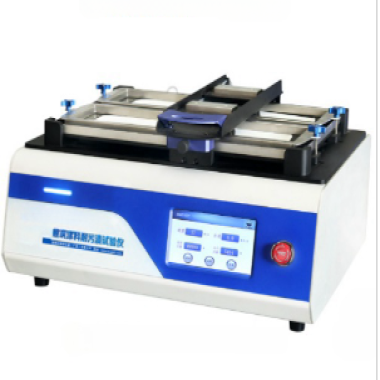 |
Stain resistance tester for architectural coatings | Whats/App: +86 156 1874 6768 Web: standard-groups.com Product Introduction The interior wall coating in architectural coatings is often polluted... |
Same products
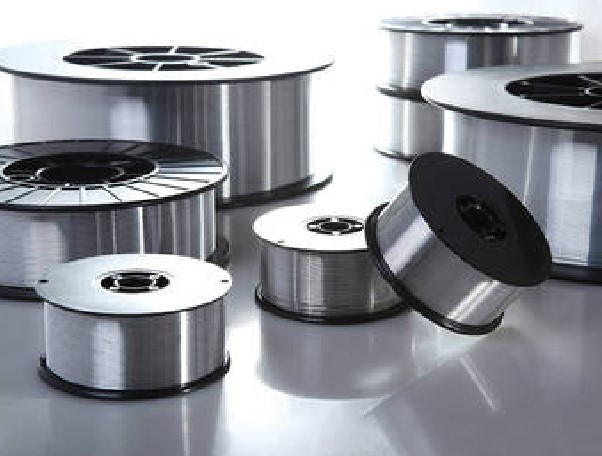 |
ER4043 Silicon Aluminum Welding Wire | Seller: 868776 | Hangzhou Kunli Welding Materials Co., Ltd. offers ER4043 Silicon Aluminum Welding Wire for alumin... |
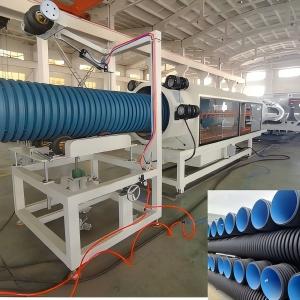 |
HDPE High Speed Water Cooled Double Wall Corrugated Pipe Extrusion Line | Seller: Shandong HUASU Plastic Technology Co.,Ltd. | The molds adopt the double flow channel structure and nitriding polishing processed die head. Thi... |
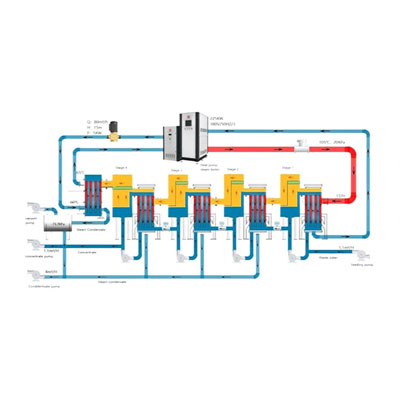 |
PanEVAP & MVR system | Seller: Yangzhou Panstar Heat Exchanger Equipment Co., Ltd | A multiple-effect evaporator is a device that efficiently uses steam heat to evaporate water. Wat... |
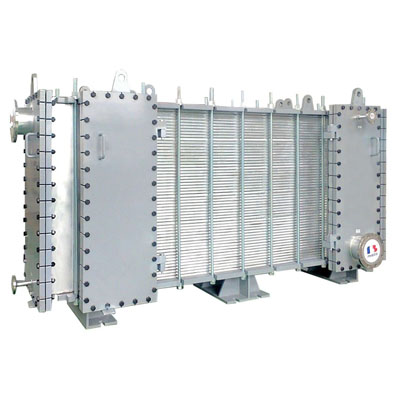 |
PanGAP wide gap welded plate heat exchanger | Seller: Yangzhou Panstar Heat Exchanger Equipment Co., Ltd | PanGAP wide gap welded plate heat exchangerconsists of a welded plate pack with different channel... |
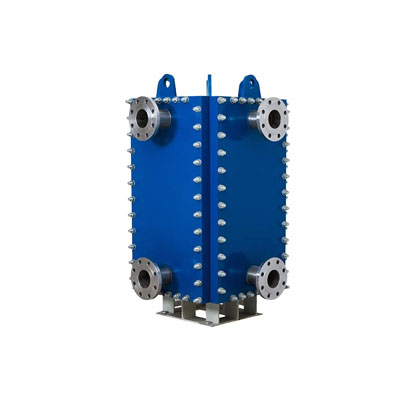 |
PanBloc welded plate heat exchanger | Seller: Yangzhou Panstar Heat Exchanger Equipment Co., Ltd | PanBloc welded plate heat exchangeris compact and efficient, although fully welded, is totally ac... |

