

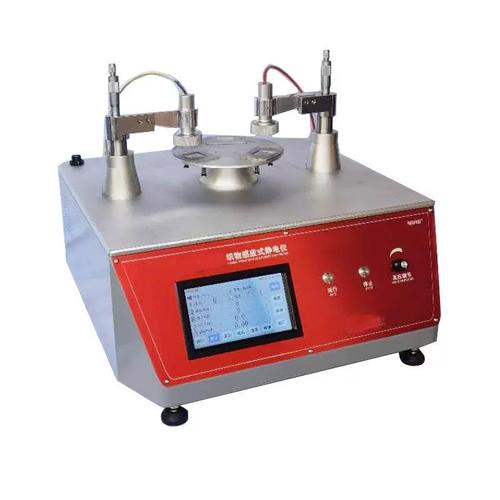
G342 Fabric induction static electrical meter

Get a quote:
Whats/App: +86 181 0160 0864
The Fabrics Induction Type Electrostatic Tester host consists of a corona discharge device and a probe detector.Using a given high-voltage electric field, the fabric is discharged for a certain time, causing the fabric to induce static electricity, thereby performing electrostatic energy measurement, half-life of static voltage decay, and electrostatic residual amount to detect the electrostatic charging property of the fabric to be tested.
The seriousness of the charging of the fabric depends on the level of the static voltage after high-voltage discharge and on the other hand. The rate of static escaping on the fabric is expressed by the electrostatic half-life, which is an important indicator for testing the electrostatic properties of the fabric.
Application
This Fabric Induction Electrostatic Tester is suitable for the determination of the electrostatic properties of fibers, yarns, fabrics, carpets, upholstery fabrics and other fabrics or various plate-shaped finished product under laboratory conditions.
Standards
The instrument complies with multiple international and national standards:
(1) FZ/T 01042 – Fabric electrostatic property testing
(2) GB/T 12703.1 – Textile static measurement
(3) GB/T 33730 – Determination of electrostatic characteristics
(4) ISO 18080-1 – Textile electrostatic measurement
Parameters
| Parameter | Specification |
|---|---|
| Measurement Range (Static Voltage) | 0 – 10 kV |
| Electrostatic Half-Life Limit | 0 – 9999.99 s, ±0.1 s |
| Sample Disk Speed | 1400 rpm |
| Discharge Time | 0 – 999.9 s, adjustable (standard 30 s ±0.1 s) |
| Needle-to-Sample Distance | 20 mm |
| Probe-to-Sample Distance | 15 mm |
| Sample Size | 60 × 80 mm |
| Power Supply | AC 220V, 50Hz, 100W |
| Dimensions (L×W×H) | 600 × 600 × 500 mm |
| Net Weight | 40 kg |
Features
You can operate the instrument via a large color touchscreen with Chinese/English interface.
High-voltage circuit ensures linear adjustment from 0 to 10.000 V with enclosed safety module.
Measures static voltage decay (1%–99%) using timing or fixed-pressure methods.
Digital display shows instantaneous peak voltage, half-life, residual voltage, and decay time.
Stable and precise, suitable for laboratory testing and R&D applications.
Accessories
(1) 1 × Sample Disk
(2) 1 × High-Voltage Needle Electrode
(3) 1 × Probe Detector
(4) 1 × Power Cable
(5) 1 × User Manual
Optional:
(6) Calibration Kit
(7) Computer Interface Module
Maintenance Information
Keep electrodes and sample disk clean to ensure measurement accuracy.
Inspect high-voltage module regularly for wear or damage.
Avoid exposing electronic components to moisture.
Perform periodic calibration using certified electrostatic reference standards.
Conclusion
The G342 Fabric Induction Static Electrical Meter provides reliable, precise measurement of fabric electrostatic properties. You can use it to ensure material safety, compliance with standards, and support research and quality control in textiles, carpets, and upholstery.
Send product request
Other supplier products
 |
Fully Automatic High-Temperature Specific Heat Capacity Tester | Get a quote: Whats/App: +86 181 0160 0864 Web: gellowen.co.uk Fully Automatic High-Temperature Specific Heat Capacity Tester is a state-of-the-a... |
 |
Suture Needle Penetration and Bending Strength Tester | Get a quote: Whats/App: +86 181 0160 0864 Web: gellowen.co.uk The Suture Needle Penetration and Bending Strength Tester is a device used to test... |
 |
Automatic Long Filament Curl Shrinkage Tester | Get a quote: Whats/App: +86 181 0160 0864 The Automatic Long Filament Curl Shrinkage Tester is designed to measure boiling water shrinkage rate, ... |
 |
Thermal - Cold Cycle Testing Machine | Get a quote: Whats/App: +86 181 0160 0864 Web: gellowen.co.uk The Thermal-Cold Cycle Testing Machine is a professional equipment used for high a... |
 |
Geosynthetic Transmissivity Tester丨Geotextile Test Machine | Scope of application: It is used to measure the characteristics of the plastic drainage plate in the plane direction of the water flow under the s... |
Same products
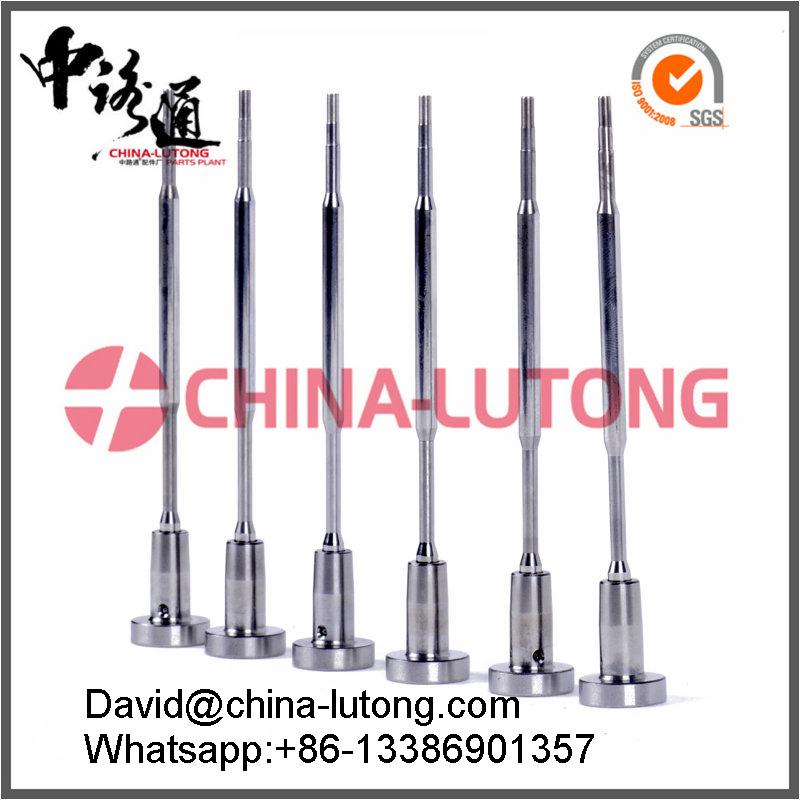 |
Common Rail Injector Valve F00R J02 012 | Seller: 868983 | Common Rail Injector Valve F00R J02 012 David Chen |
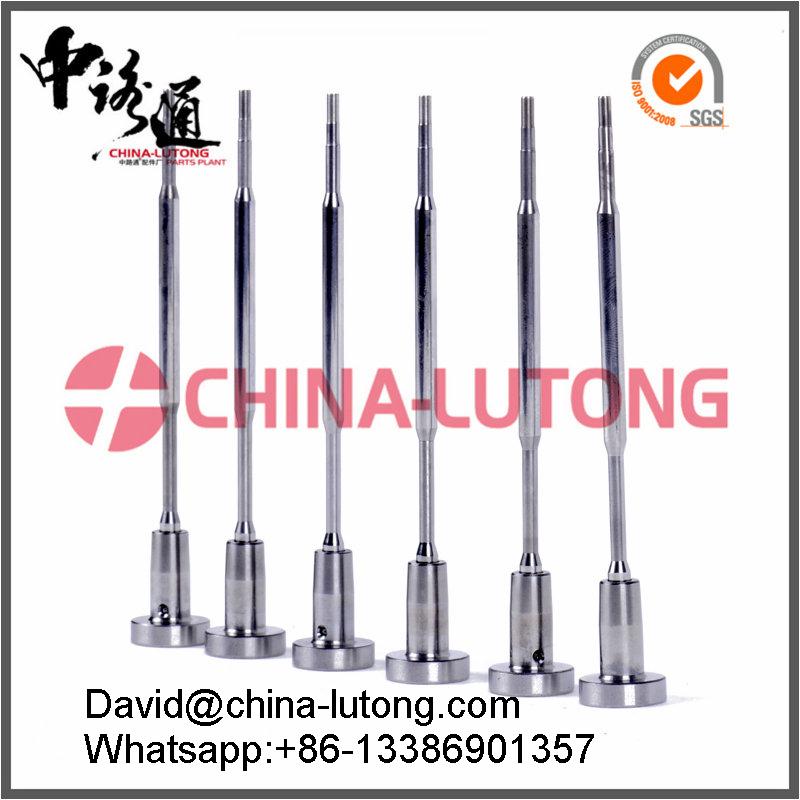 |
Common Rail Injector Valve F00R J02 005 | Seller: 868983 | Common Rail Injector Valve F00R J02 005 David Chen |
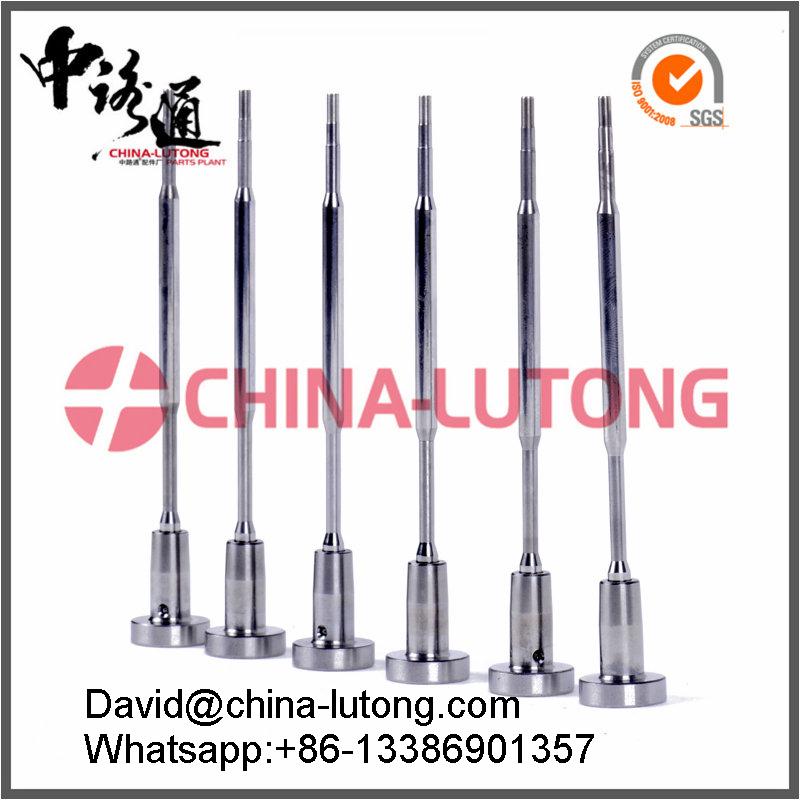 |
Common Rail Injector Valve F00R J01 945 | Seller: 868983 | Common Rail Injector Valve F00R J01 945 David Chen |
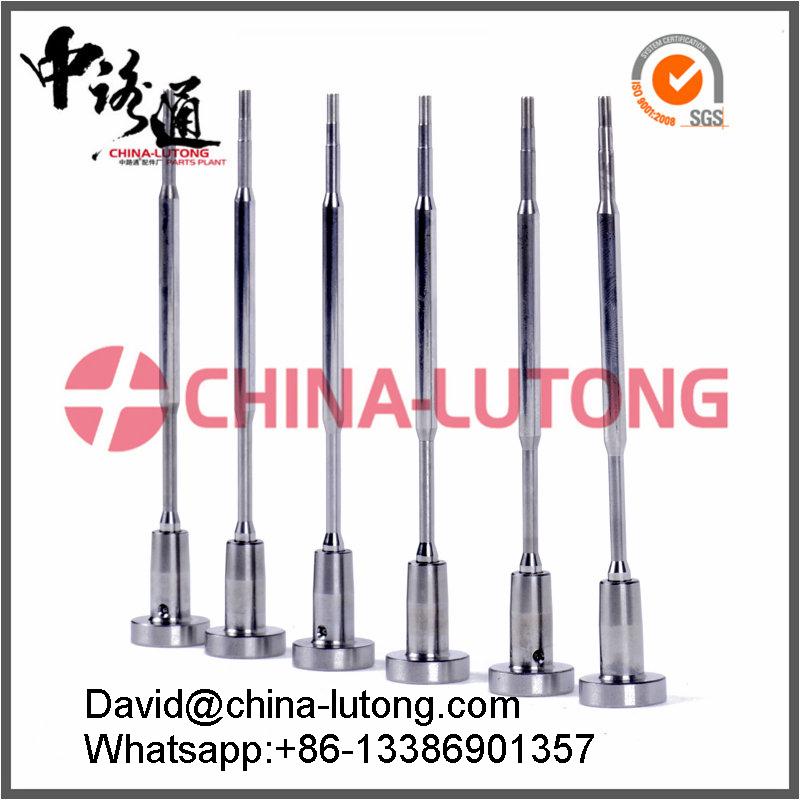 |
Common Rail Injector Valve F00R J01 941 | Seller: 868983 | Common Rail Injector Valve F00R J01 941 David Chen |
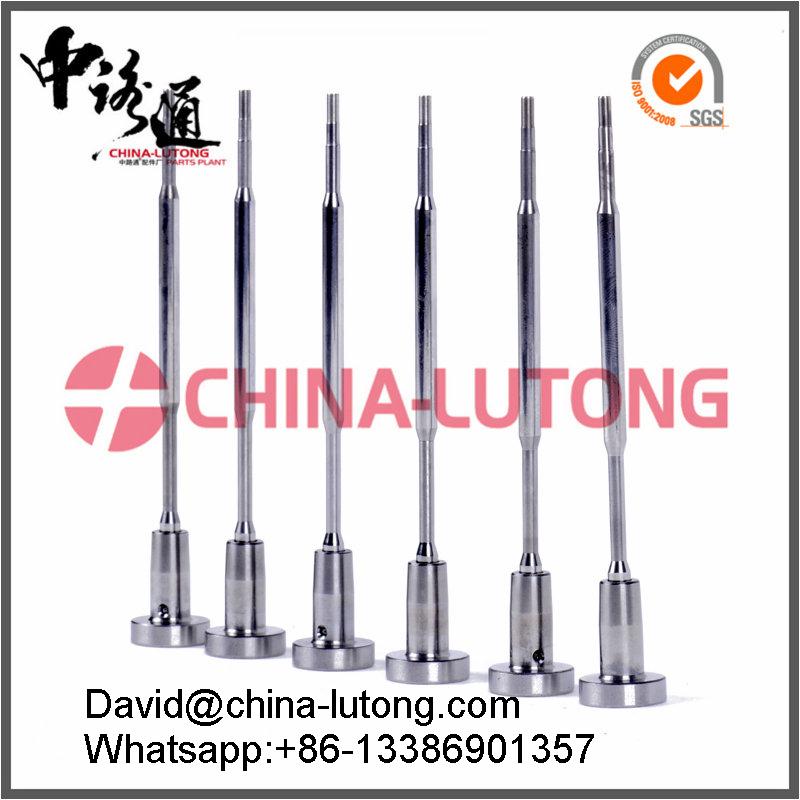 |
Common Rail Injector Valve F00R J01 924 | Seller: 868983 | Common Rail Injector Valve F00R J01 924 David Chen |

