

Gate Valve Vs. Ball Valve

Gate Valve Vs. Ball Valve
Gate valves and ball valves are both types of valves that are used to control the flow of a fluid in a piping system. Both types of valves are widely used in a variety of applications, including oil and gas, chemical processing, water treatment, and power generation. However, there are some key differences between gate valves and ball valves that should be considered when selecting the right valve for a specific application.
Operating Differences
use a rotating ball with a hole and a stem. When the handle attached to the stem is turned, it causes the ball to rotate, thus opening or closing the valve. This type of valve is also known as a quarter-turn valve because the handle only needs to be rotated 90° (a quarter turn) to allow or stop the flow of media. When the handle is parallel to the pipe, the valve is open, and when the handle is perpendicular to the pipe, the valve is closed. (More detailed technical articles about ball valves)
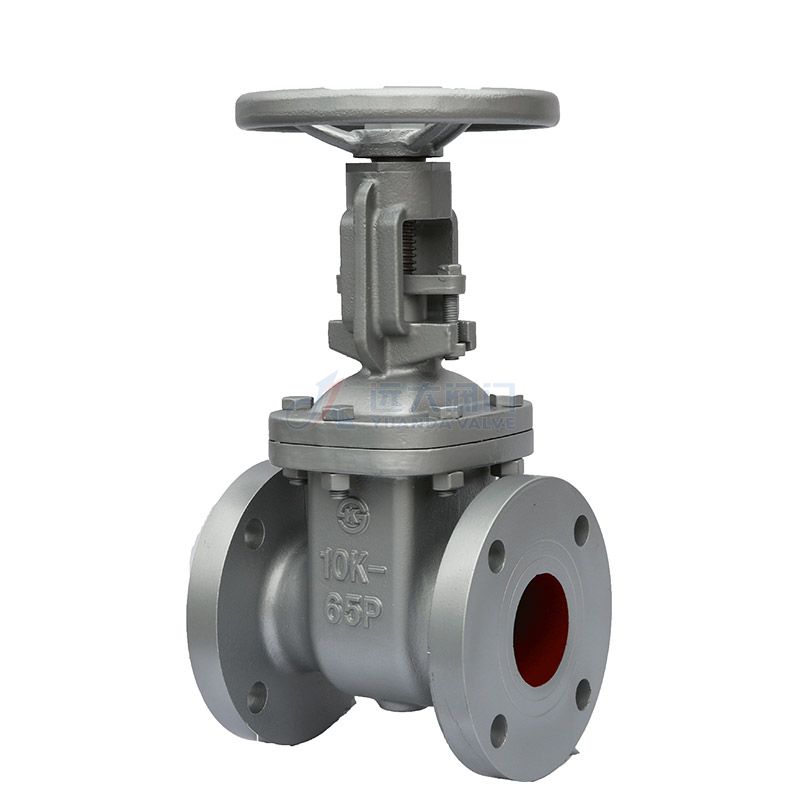
Gate valves use a gate to control the flow of media. The gate is a solid disc structure that is attached to the valve stem. The gate is lifted to open the valve and released back into position to close the valve. The valve has a bonnet that controls the position of the gate when rotated. This type of valve is also known as a multi-turn valve because it requires more than 360° of rotation to fully open or close the valve. (More detailed technical articles about ball valves)
Another difference between gate valves and ball valves is the way they seal. A gate valve relies on a seal between the gate and the body of the valve to prevent leaks. This seal can be prone to wear and tear over time, which can lead to leaks. Ball valves, on the other hand, rely on a tight seal between the ball and the valve body to prevent leaks. This seal is typically more reliable and durable than the seal in a gate valve, which makes ball valves less prone to leaking.
Advantages and Disadvantages
Due to the differences in operation and design between gate valves and ball valves, both have certain advantages and disadvantages. Depending on your application, one is usually better than the other. Check out our table below to learn the key differences between gate and ball valves.
Send product request
Other supplier products
 |
stainless steel ball valve | stainless steel ball valve Choosing a is not simply a matter of matching pipe size. In industrial systems, the wrong selection can lead to lea... |
 |
globe vs ball valve | globe vs ball valve What are the main differences between ball valves and globe valves? The main difference between ball valves and globe v... |
 |
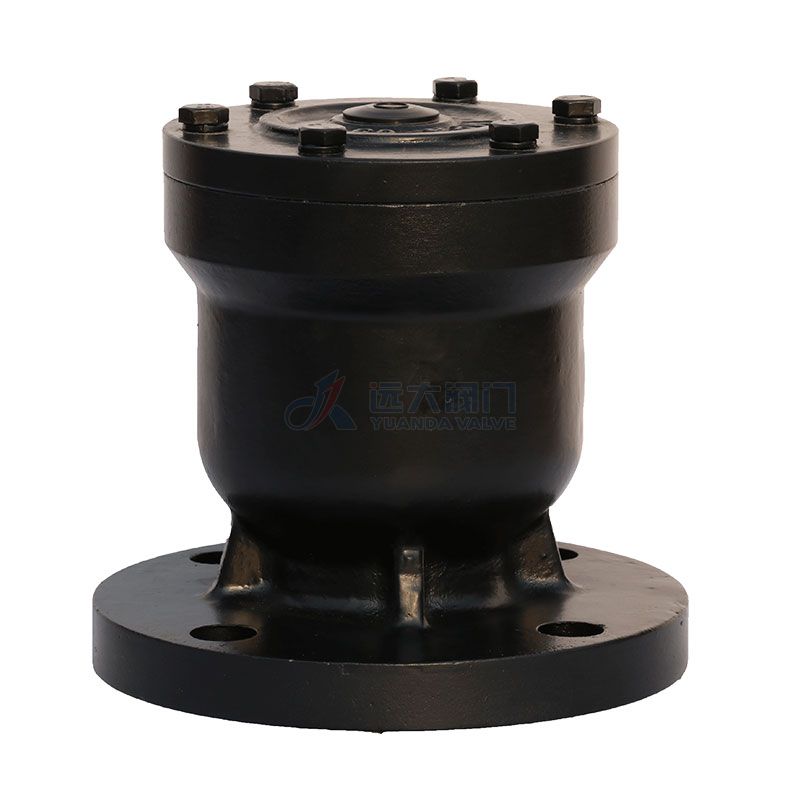
Common Types Of Check Valves | Common Types Of Check Valves A is a valve whose switching parts are disc-shaped and rely on their own weight and medium pressure to produce th... |
 |
globe vs ball valve | globe vs ball valve globe valve vs ball valve What are the main differences between ball valves and globe valves? The main difference between ball... |
 |
Non Return Valve Suppliers China | Non Return Valve Suppliers China refers to the opening and closing member for the circular valve and by its own weight and media pressure to p... |
Same products
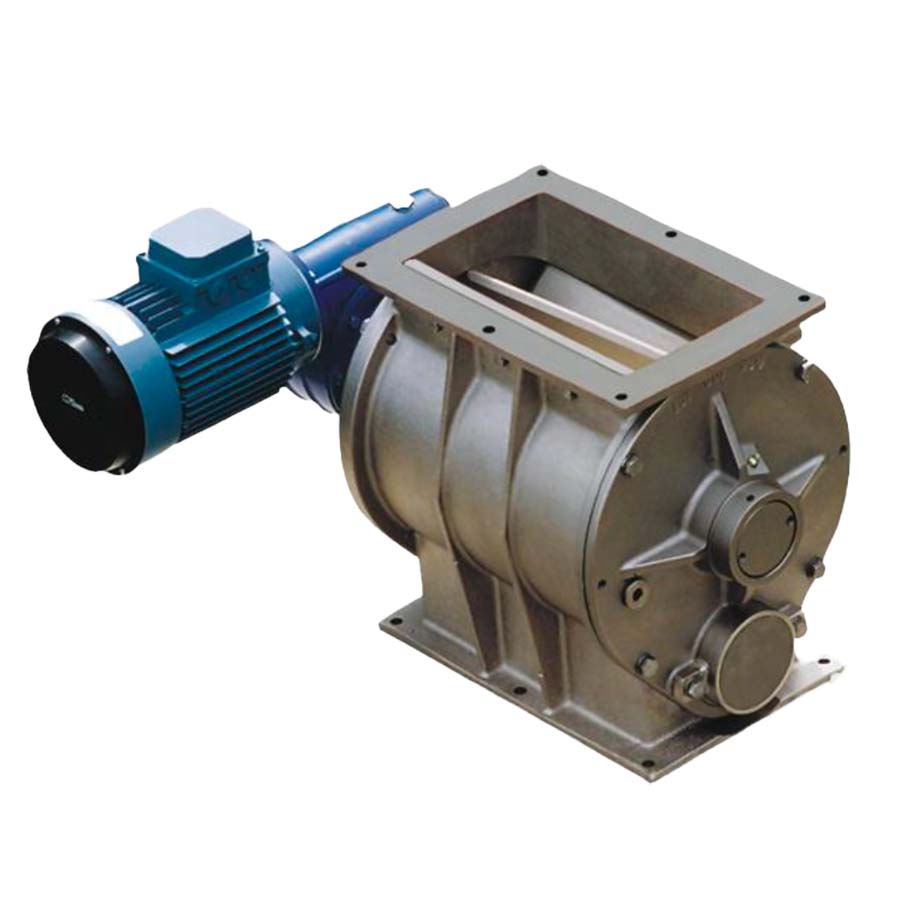 |
Greentech New Automatic No Cross Contamination Pneumatic Vacuum Conveyor Sugar Volumetric Rotary Feeder System Material Handling | Seller: Greentech International (Zhangqiu) Co., Ltd | Automatic Operation: Ensures continuous and efficient sugar feeding without manual intervention... |
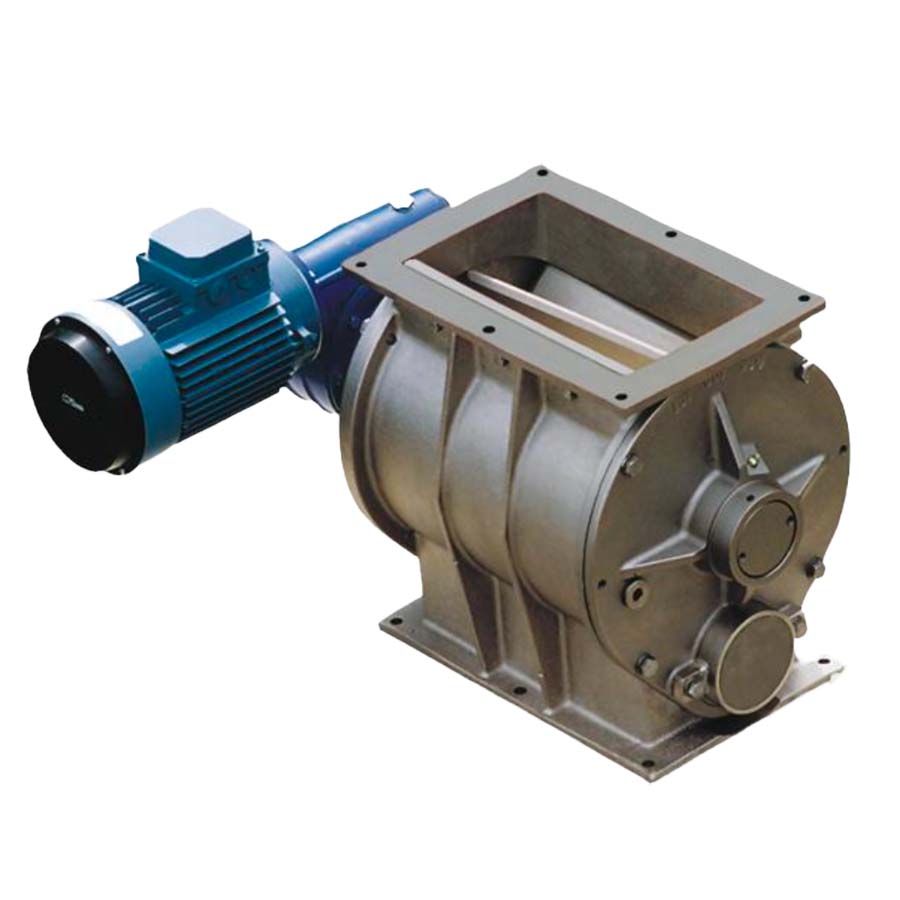 |
Greentech New Industrial Automatic Dilute Phase Pneumatic Conveying System Rotary Valve Roots Blower 220/380V Material Handling | Seller: Greentech International (Zhangqiu) Co., Ltd | Automatic Assembly: Simplifies manual processes with precision and efficiency. Positive Pressu... |
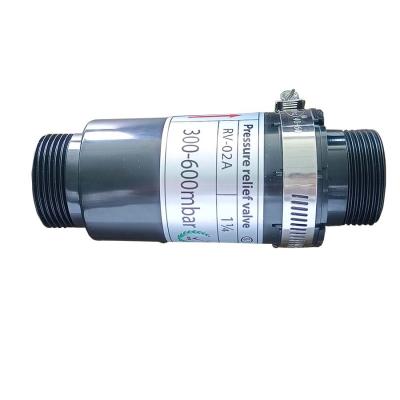 |
RV-02 Pressure Relief Valve | Seller: Greentech Industry (Jinan) Co., Ltd | RV-02A pressure relief valveAir Blower pressure relief valve is installed on the inlet &outle... |
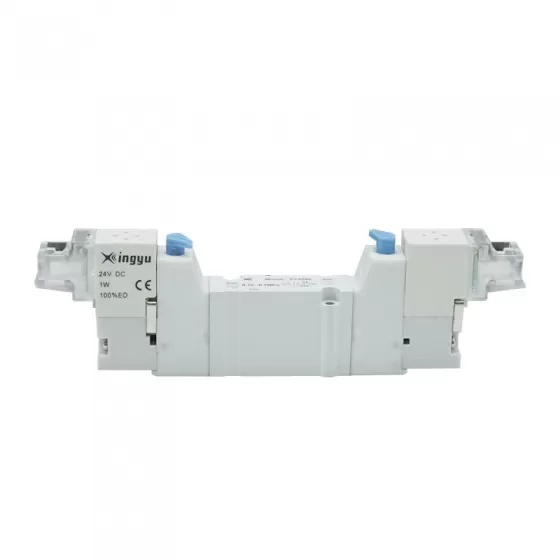 |
XY3240A XY Directional Control Valve | Seller: XingYu Electron (Ningbo) Co., Ltd | XY3240A XY Directional Control Valve Product Description Directional Control ValveNotes |
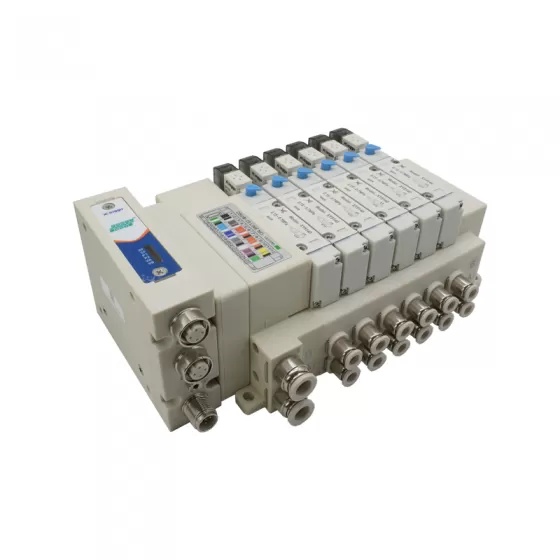 |
Manifold with Communication | Seller: XingYu Electron (Ningbo) Co., Ltd | A "VT manifold" typically refers to a manifold used in plumbing or HVAC systems. This manifold is... |

