

Anamorphic Lenses

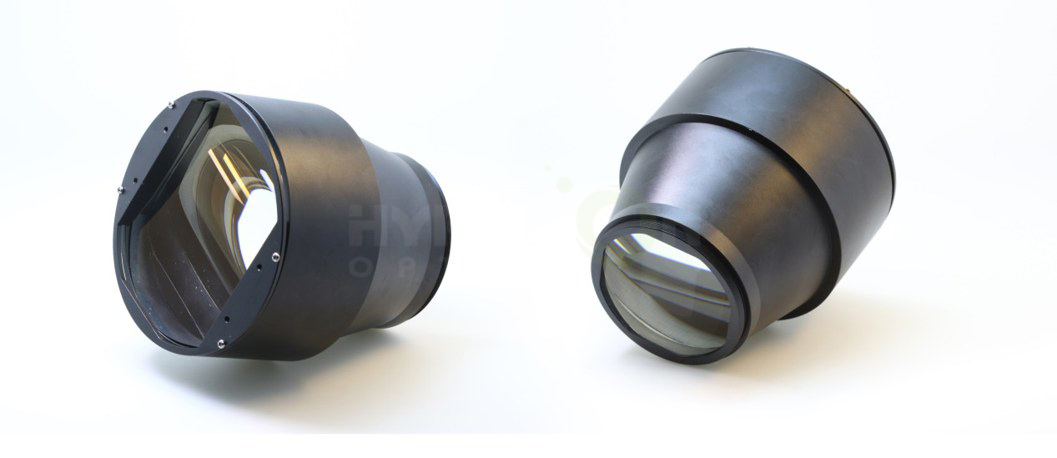
Hyperion Optics specializes in custom anamorphic opticsdesign and production. We are experienced in creating custom solutions for unique applications such as projection and anamorphic photography. Generally speaking, these lenses are special systems that effectively change the aspect ratios when projecting the image onto the camera sensor.
Compared to a more common type spherical lenses, which project images onto the sensor without causing an aspect ratio change, 2.35 1 anamorphic lenscompress along the longer dimension and require subsequent stretching in post-production or at the projector for the output image to be properly displayed.
anamorphic lenses for sale
With our high quality achromatic cylindrical lenses production capability, we are able to meet the challenging and demanding anamorphic designperformance, please refer to our cylindrical lens fabrication capability. Note that in some cases, custom achromatic cylindrical lenses are extremely thick in CT, and oftentimes material availability would be a manufacturing obstacle. Hyperion’s production team is able to cement singlet parts on a real-time alignment device to avoid thickness unavailability of certain materials.
Here is a great sample of how anamorphic projection lenses can contribute to enhancing image quality:
anamorphic projection lenses
We begin with a cinemascope screen. Here we’re displaying a 2.35 or 2.40 film, notice the top and bottom black bars.
The first step is to electronically stretch the image vertically. This process is either called ‘vertical stretch’ or ‘zoom’ or ‘anamorphic mode’. The vertical stretch feature can be found in many projectors and Blu-Ray players. We have taken the active illuminated pixels in the black bars and scaled them back into the image. This process increases the overall on-screen luminance or brightness. Once vertically stretched, everything on screen looks tall and skinny - compare the image below with the image above.
cinemascope lensscreen
The first step is to electronically stretch the image vertically. This is either called ‘vertical stretch’ or ‘zoom’ or ‘anamorphic mode’. This feature can be found many projectors and Blu Ray players. We have taken the active illuminated pixels in the black bars and scaled them back into the image. This process increases the overall on screen luminance or brightness. Once vertically stretched, everything on screen looks tall and skinny- compare the image below with the image above.
anamorphic mode
Finally, we take the optical expansion of the vertically stretched image to restore the geometry and to fill the entire cinemascope screen with the active image. The result below is an image that is 78% larger than the original. Now compare the top and bottom images.
Highlights of Hyperion Optics’ anamorphic design
Expected aspect ratio control
Sharp image quality, tested and verified MTF according to system requirements
Excellent achromatic feature
Design fit for 2.35, 2.39 and 2.4 aspect ratio
Theatrical cinema projection design available
Hyperion Optics’ anamorphic design
ADVANTAGES OF ANAMORPHIC LENSES:
Anamorphic lenses takes full advantage of the performance of the projector to show a broader view and to bring about a more comfortable viewing effect.
Why use anamorphic lenses:
Anamorphic lenses can deform the projection image through the lens to meet the need of a wider screen. It allows for a wide range of scenes to be compressed into the standard frame area.
How the anamorphic lens works:
Add a set of oval compression lenses to the lens, and the film will be vertically stretched to fit the size of 35 mm. At the time of the screening, all we need to do is to use the opposite oval to magnify the lens, and we could recover the original film of 2.35:1.
The difference between spherical and dslr anamorphiclenses:
If you want to know more details of optical assembly manufacturing, please visit our website.
Send product request
Other supplier products
 |
LWIR Lenses | LWIR lensplays a critical role in thermal imaging surveillance applications, beyond night vision capability, critical targets differentiation in po... |
 |
Surveillance Lenses | Surveillance Lenses Our CCTV lens for cameracome in many forms, including fixed focal-manual iris, fixed iris-manual focus, varifocal, motorized... |
 |
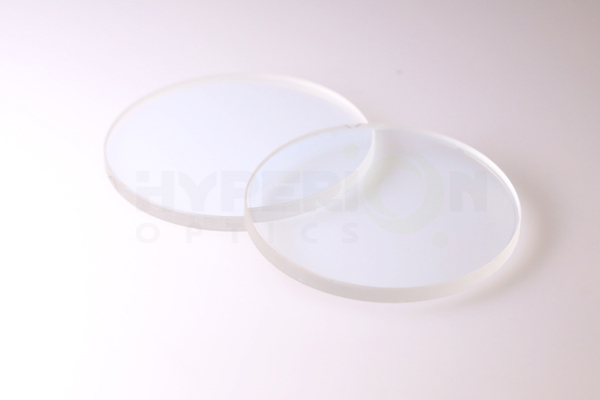
Achromatic Cylindrical Lenses | Achromatic objective lensare ideal for eliminating spherical and chromatic aberration at the image plane, for example using monochromatic light sou... |
 |
Magnesium Fluoride Lenses | CVD magnesium fluoride (MgF2-CVD) has good mechanical properties, chemical stability, impact resistance, great anti thermal fluctuations and radiat... |
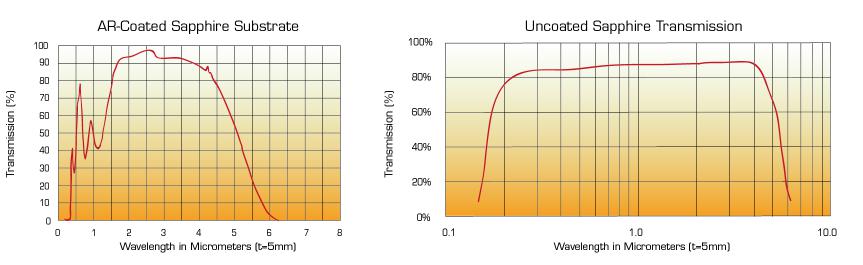 |
Sapphire Lenses | Sapphire is the best medium for spherical lenses that require a broad spectrum of light transmission and high optical clarity, especially in demand... |
Same products
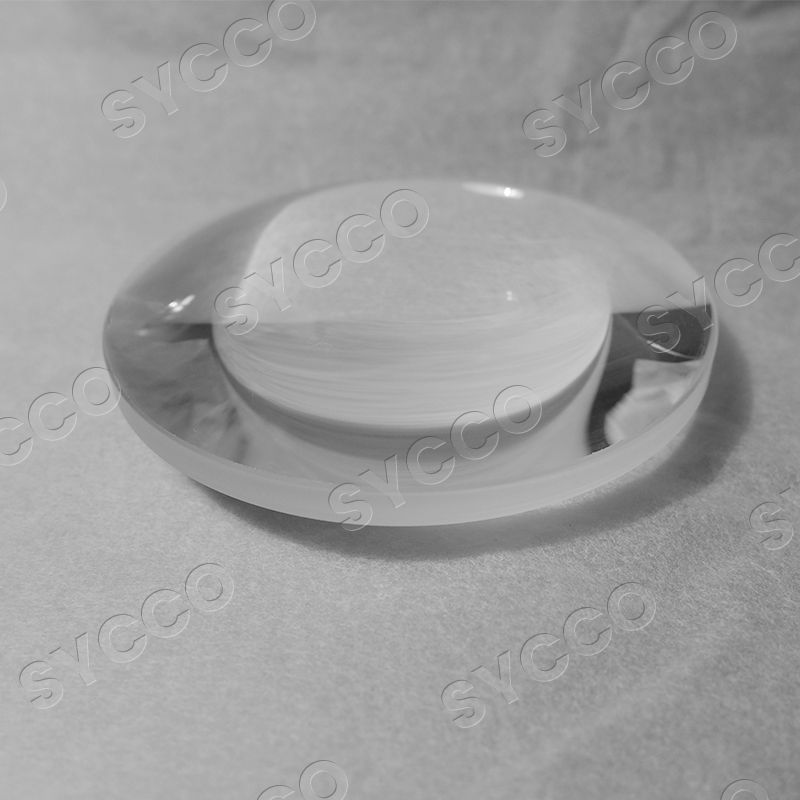 |
Double Convex Lenses | Seller: Shandong Yanggu Constant Crystal Optics, Inc | Double Convex Lensesare used in image relay applications, or for imaging objects at close conjuga... |
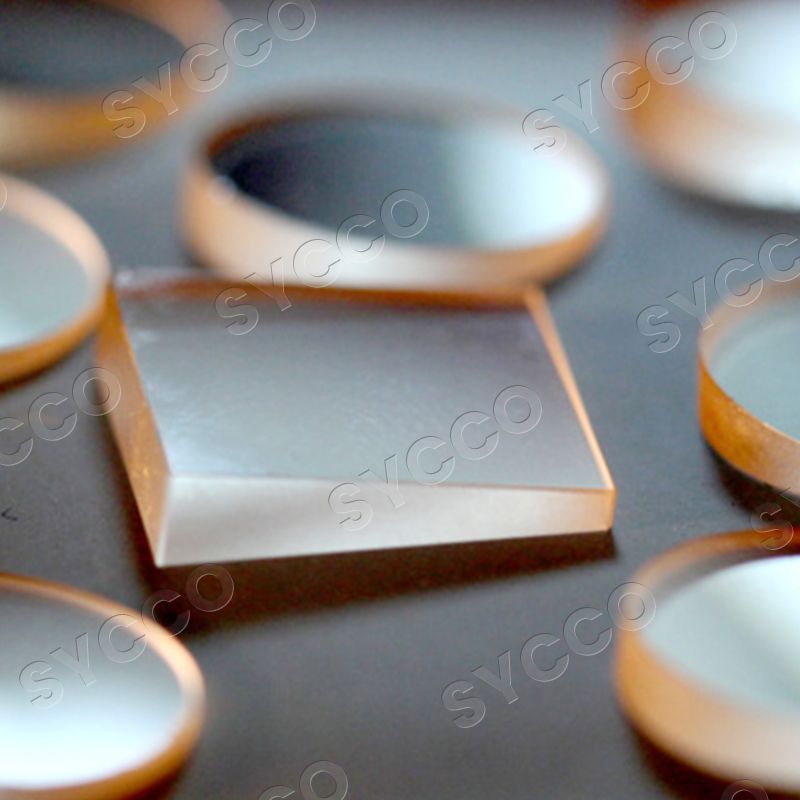 |
Wedge Prism | Seller: Shandong Yanggu Constant Crystal Optics, Inc | Wedge prismis an optical element with plane-inclined surfaces, usually the faces are inclined tow... |
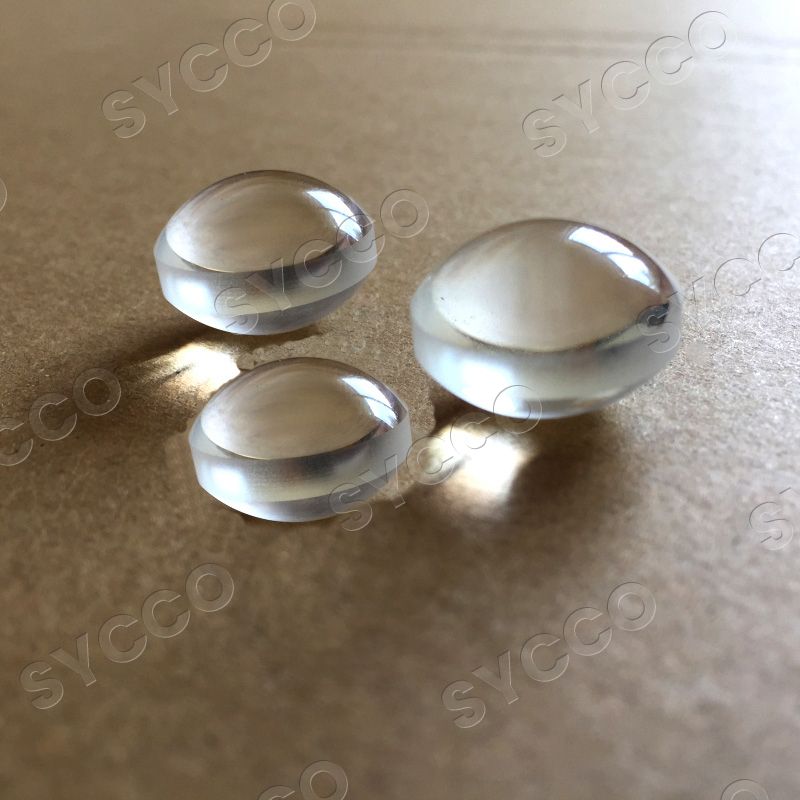 |
Ball Lenses | Seller: Shandong Yanggu Constant Crystal Optics, Inc | Ball Lensesare commonly used to improve signal quality in fiber coupling applications, or for use... |
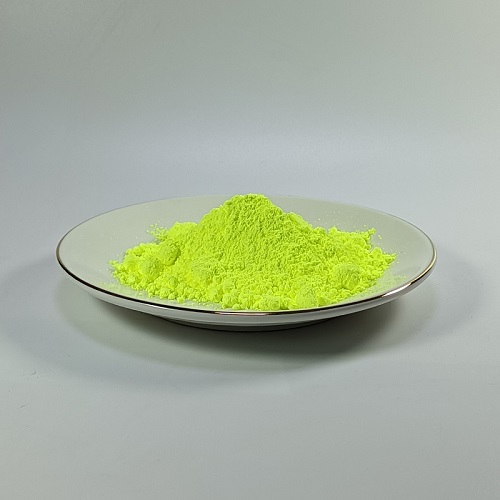 |
Optical Brightener OB-1 (OBA 393) | Seller: Jinan Ogilvy Chemical Co., Ltd | Chemical Name: 2-[(Ethylsulfanyl)methyl]phenyl methylcarbamateC.I.: 393CAS: 1533-45-5Molucular Fo... |
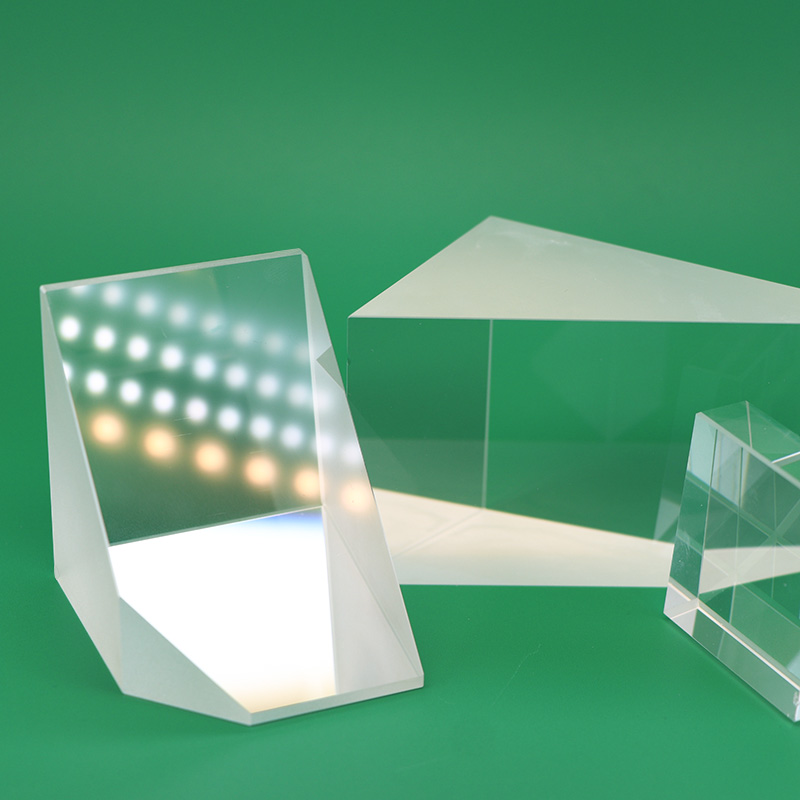 |
Optical Dove Prisms | Seller: Changchun Long Ze Precision Optics Co., Ltd | A Optical Dove prismis a truncated version of a right-angle prism, used as a reflective prism inv... |

