Inositol 87-89-8

Inositol, also known as myo-inositol, is a six‑hydroxy cyclohexane derivative, traditionally classified as vitamin B8. It is a water‑soluble, vitamin‑like compound with stable physicochemical properties and important biological activity.
1. Physical Properties
Molecular formula: C₆H₁₂O₆
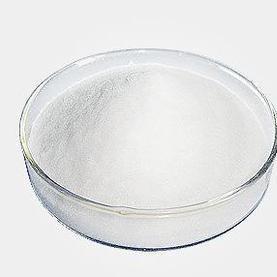
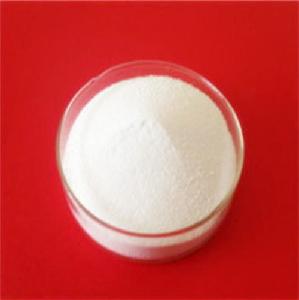
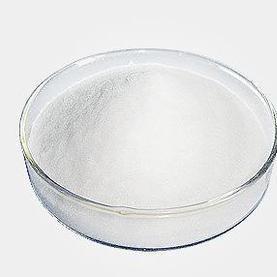
Appearance: White, odorless crystalline powder
Solubility: Highly soluble in water, almost insoluble in ethanol, acetone, and other organic solvents
Hygroscopicity: Slightly hygroscopic in air
Stability: Stable under normal temperature and light conditions
Taste: Sweet, similar to sucrose but with lower sweetness
2. Chemical Properties
Contains six hydroxyl groups attached to a six‑membered carbon ring, giving it strong hydrophilicity and reactivity.
Can undergo esterification, phosphorylation, methylation, and other reactions to form various derivatives.
The most important natural form is myo-inositol, with other stereoisomers including D‑chiro‑inositol, scyllo‑inositol, etc.
Forms phosphatidylinositol (PI) and inositol phosphates (IP3, IP6) in organisms, which are critical for signal transduction.
Stable in neutral and weak acidic solutions, not easily decomposed by heat.
3. Biochemical and Physiological Properties
Widely exists in animals, plants, and microorganisms in free or bound forms.
Participates in the construction of cell membranes as a component of phospholipids.
Acts as a second messenger in intracellular signal transduction, regulating calcium release and enzyme activity.
Regulates fat metabolism, insulin sensitivity, and cell growth and differentiation.
Participates in the synthesis of lecithin and promotes fat transport.
4. Nutritional and Biological Characteristics
A conditionally essential nutrient for humans; can be synthesized in the body but often requires dietary supplementation.
High safety, non‑toxic, non‑irritating, and well‑tolerated even at high doses.
Participates in glucose and lipid metabolism, helping improve insulin resistance.
Plays an important role in reproductive health, nerve function, and cell protection.
5. Stability Properties
Stable to heat, light, and oxygen under conventional conditions.
Not easily decomposed during food processing or pharmaceutical preparation.
Can be stored for a long time in dry, sealed conditions without significant degradation.
Другие товары поставщика
|
|
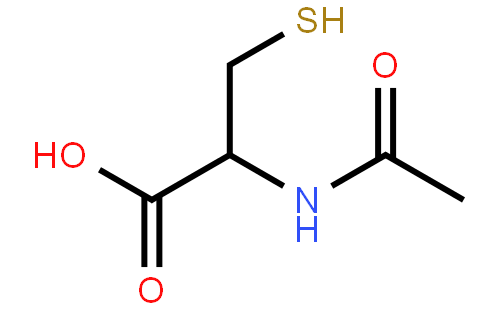
High quality N-Acetyl-L-Cysteine |
N-Acetyl-L-Cysteine, often abbreviated as NAC, is a derivative of the amino acid cysteine. Here is a detailed introduction:
Basic Information
Chem... |
|
|
Sucralose |
Sucralose is a calorie-free, highly sweetening agent substance derived from sucrose. It is in the form of a white powder and possesses characterist... |
|
|
Glycine |
Glycine is the simplest type of α-amino acid and is the only natural amino acid without a chiral carbon atom. Its molecular formula is C₂H₅NO... |
|
|
L-Methionine |
Chemical and Physical Properties of L-Methionine L-Methionine has the molecular formula C₅H₁₁NO₂S and a molecular weight of 149.21. Its chemical s... |
|
|
The Application of Inositol in Medicine |
Inositol is an important bioactive substance with diverse physiological functions, and it has been widely applied in clinical auxiliary treatment, ... |
Все товары поставщика
Похожие товары
|
|
Heat Sealing Sterilization Pouch |
Продавец: Hopeway AMD |
Heat Sealing Sterilization Pouch is designed for secure medical instrument packaging, supporting ... |
|
|
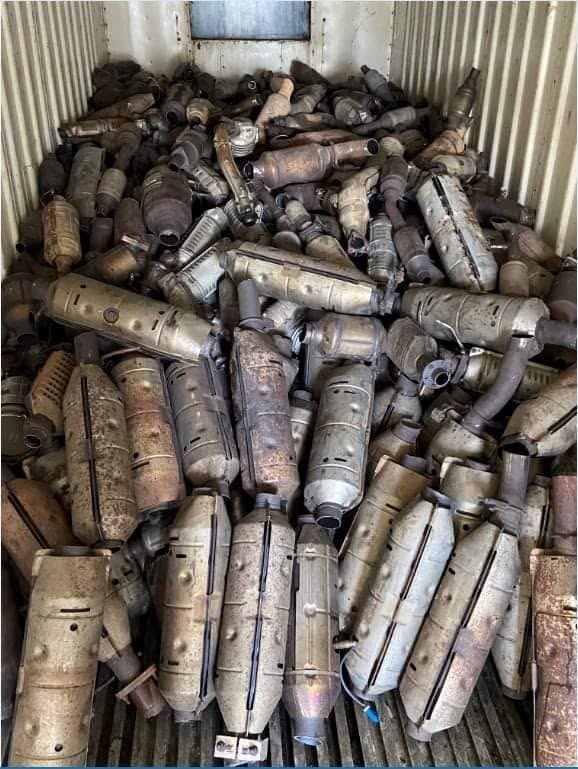
Catalytic Converter Scrap Supplier, Catalytic Converter Scrap for Sale, , Catalytic Converter Scrap, Catalytic Scrap for Sale, Catalytic Scrap Supplier, Scrap Catalytic Supplier |
Продавец: Trucont LLC |
В компании Trucont LLC мы постоянно предлагаем лом каталитических преобразователей для немедленно... |
|
|
Epimedium Extract |
Продавец: Fruit Powder,Vegetable Powder |
Product Name: Epimedium ExtractLatin Name: Epimedium Sagittatum Maxim.Specification: Icariin 5%, ... |
|
|
Pumpkin Powder |
Продавец: Fruit Powder,Vegetable Powder |
Product Name: Pumpkin PowderLatin Name: Cucurbita pepo L.Used Part: FruitAppearance: yellow fine ... |
|
|
Broccoli Powder |
Продавец: Fruit Powder,Vegetable Powder |
Product Name: Broccoli powder
Latin Name: Brassica oleracea L.var.italic Planch.
Used Part: Who... |