Chemical Properties of Inositol

Chemical Properties of Inositol
1. Molecular structure and isomerism
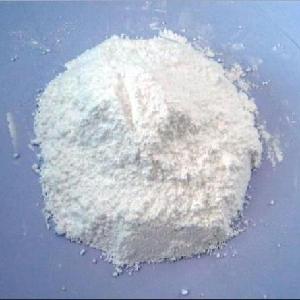
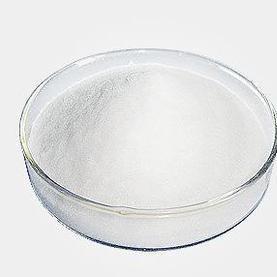
Inositol is a cyclic hexahydric alcohol with the molecular formula C6H12O6, consisting of a six‑carbon cyclohexane ring bonded with six hydroxyl groups. It has multiple stereoisomers; myo-inositol is the most biologically active and predominant natural form. Different isomers differ in the spatial arrangement of hydroxyl groups, leading to distinct biochemical reactivity and physiological functions.
2. Hydroxyl group reactivity
Six hydroxyl groups are evenly distributed on the carbon ring, endowing inositol with typical polyhydroxy alcohol chemical characteristics. It readily undergoes esterification, phosphorylation, acetylation and methylation reactions, and can combine with phosphoric acid, fatty acids or sugars to form various biological derivatives, such as inositol phosphates and phosphatidylinositol.
3. Acid-base characteristics
Inositol is a neutral compound with weak acidity from hydroxyl groups. It shows stable chemical properties in neutral and weakly acidic environments, and does not easily decompose under routine heating conditions. It is relatively unstable in strong alkaline solutions, where ring structure rearrangement or degradation may occur.
4. Esterification and phosphorylation capacity
As the core precursor, inositol can be phosphorylated stepwise to produce IP3, IP6 and other inositol phosphate compounds, which are key second messengers in cell signal transduction. It also binds with fatty acids to form phospholipids, participating in cell membrane construction and lipid metabolism regulation.
5. Redox stability
Under normal temperature and aerobic conditions, inositol exhibits excellent oxidation resistance and is not prone to oxidative deterioration. It does not react easily with common oxidants or reducing agents, maintaining structural stability during food processing, extraction and pharmaceutical preparation.
6. Complexation reaction
The adjacent hydroxyl groups on the cyclohexane ring enable inositol to form stable chelate complexes with metal ions. This metal‑chelating property helps regulate ion balance and reduce oxidative damage induced by heavy metal ions in organisms.
7. Non‑fermentable and non‑reducing properties
Inositol is a non-reducing sugar alcohol without an aldehyde or ketone structure, so it cannot produce Maillard browning reactions with reducing sugars. It cannot be easily fermented by common microorganisms, showing good chemical inertness in complex biological systems.
8. Derivatization potential
Through chemical modification such as hydroxylation substitution and ring modification, a series of inositol derivatives can be synthesized. These derivatives possess targeted biological activities and are widely developed in pharmaceutical, cosmetic and biochemical research fields.
Другие товары поставщика
|
|
DL-Alanine Powder |
Special Notes for Different Grades (Food-Grade vs. Industrial-Grade) Food-grade DL-Alanine: Strictly follow food safety storage standards (e.g., co... |
|
|
DL-Alanine |
DL-Alanine is a racemic mixture of two optical isomers: L-Alanine (L-α-alanine) and D-Alanine (D-α-alanine). As a type of α-amino... |
|
|
Inositol |
Inositol is widely applied in beverages, cereal products, nutritional meal replacements and protein solid drinks as a high‑safety nutritional forti... |
|
|
L-Cysteine hydrochloride monohydrate |
Chemical Structure and PropertiesMolecular FormulaChemical Formula:C3H7NO2S· HCl· H2O Molecular Weight: Approximately 175.64 g/molStr... |
|
|
The Application of Inositol in the Food Industry |
Inositol, as a natural and safe functional food ingredient and a vital vitamin‑like nutrient, has been widely applied in the modern food industry d... |
Все товары поставщика
Похожие товары
|
|
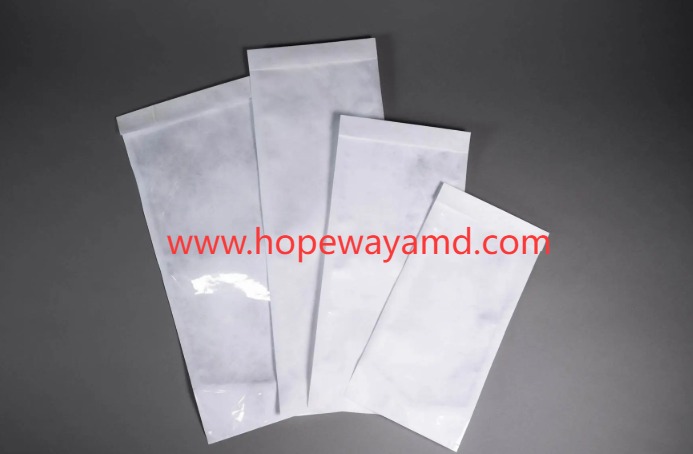
Heat Sealing Sterilization Pouch |
Продавец: Hopeway AMD |
Heat Sealing Sterilization Pouch is designed for secure medical instrument packaging, supporting ... |
|
|
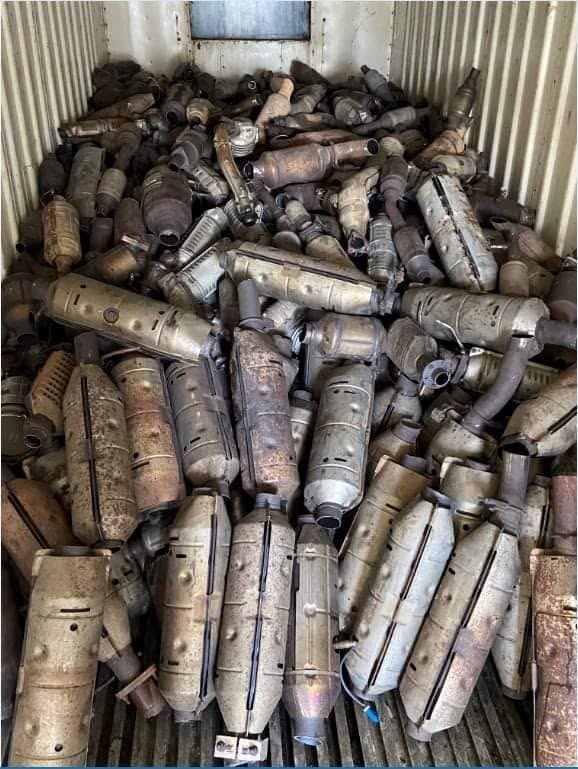
Catalytic Converter Scrap Supplier, Catalytic Converter Scrap for Sale, , Catalytic Converter Scrap, Catalytic Scrap for Sale, Catalytic Scrap Supplier, Scrap Catalytic Supplier |
Продавец: Trucont LLC |
В компании Trucont LLC мы постоянно предлагаем лом каталитических преобразователей для немедленно... |
|
|
Epimedium Extract |
Продавец: Fruit Powder,Vegetable Powder |
Product Name: Epimedium ExtractLatin Name: Epimedium Sagittatum Maxim.Specification: Icariin 5%, ... |
|
|
Pumpkin Powder |
Продавец: Fruit Powder,Vegetable Powder |
Product Name: Pumpkin PowderLatin Name: Cucurbita pepo L.Used Part: FruitAppearance: yellow fine ... |
|
|
Broccoli Powder |
Продавец: Fruit Powder,Vegetable Powder |
Product Name: Broccoli powder
Latin Name: Brassica oleracea L.var.italic Planch.
Used Part: Who... |