Transport method of Inositol

Transport Method of Inositol
1. Basic transport properties
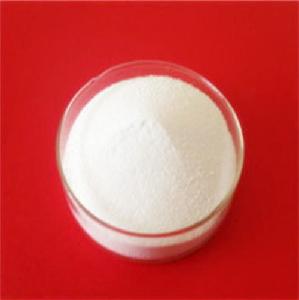
Inositol is a stable, non-toxic, non-flammable and non-explosive white crystalline powder, not classified as dangerous goods. It belongs to common fine chemical and food-grade raw materials for safe conventional transportation.
2. Packaging requirements
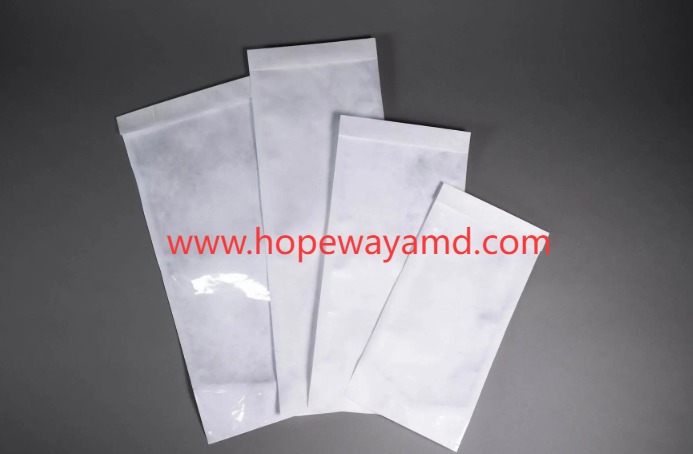
Use sealed, moisture-proof and dust-proof packaging such as plastic bags, composite film bags or fiber drums. Ensure packaging is intact, tightly sealed, leak-proof, and resistant to extrusion, to prevent moisture absorption, powder leakage and contamination during transit.
3. Transport environment control
Transport in cool, dry and ventilated conditions. Avoid long-term exposure to strong sunlight, high temperature, rain and humid atmosphere, so as to prevent deliquescence, caking and quality deterioration.
4. Mixed loading prohibition
Do not transport together with strong oxidants, strong alkalis, corrosive substances, toxic materials, strong odorous goods or raw materials for special industries. Separate from food contaminants to guarantee purity and safety.
5. Handling regulations
Handle gently during loading and unloading; avoid violent collision, extrusion and heavy pressing, which may damage the outer package and cause leakage. Keep the goods stable and neatly stacked.
6. Vehicle and transit management
Select clean, dry and closed transport vehicles. Keep the cargo tidy and well covered in long-distance transportation. For cross-regional delivery, complete relevant delivery documents and ensure standardized cargo identification.
7. Special reminder
No cold chain or refrigeration is required. Normal temperature transportation is sufficient. Under standardized transportation conditions, inositol maintains stable chemical properties without decomposition or deterioration.
Другие товары поставщика
|
|
L-Lysine monohydrochloride |
Basic Molecular and Structural Characteristics
Molecular weight: 182.65 g/mol (free L-lysine: 146.19 g/mol; the hydrochloride moiety increas... |
|
|
L-Methionine |
Natural Dietary Sources of L-Methionine Natural sources of L-methionine are widely distributed in animal-derived and plant-based foods, with higher... |
|
|
Sucralose |
Thermal properties of SucraloseMelting point / Decomposition point: Approximately 125°C (decomposition temperature), some testing methods give ... |
|
|
L-proline |
L-proline, to ensure its stable quality and performance, certain conditions need to be met during storage. The following is a detailed introduction... |
|
|
Manufacturer |
Metabolism and Safety of L-Methionine L-Methionine is absorbed in the small intestine via amino acid transporters and metabolized primarily in the ... |
Все товары поставщика
Похожие товары