High quality
The storage methods for L-Cysteine hydrochloride monohydrate are crucial to maintain its stability and functionality, primarily due to its hygroscopic nature and sensitivity to environmental factors. Key Storage Recommendations Temperature:15–25°C (room temperature); 2–8°C for prolonged storage of high-purity grades. Moisture Control:Airtight containers with desiccants; store in a dry environment (humidity < 60%). Light Exposure:Protect from direct sunlight; use opaque or light-shielded packaging. Packaging Material:Glass, metal, or HDPE containers; foil-lined bags for moisture sensitivity. Handling:Re-seal immediately after use; use clean utensils. Shelf Life:2–3 years under proper storage conditions; follow FIFO rotation. By adhering to these storage methods, L-Cysteine hydrochloride monohydrate remains stable, maintaining its antioxidant properties, solubility, and efficacy in applications ranging from food additives to pharmaceutical intermediates.
Другие товары поставщика
|
|
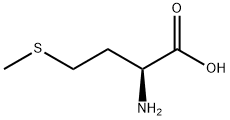
DL-Methionine |
DL-Methionine has multiple coordination sites (amino nitrogen, carboxylate oxygen, and sulfur atom in the methylthio group), enabling it to form st... |
|
|
Sucralose |
|
|
|
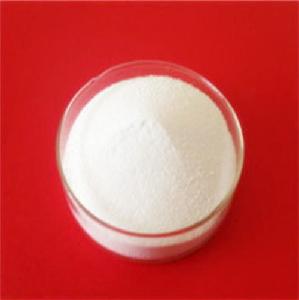
DL-methionine powder |
DL-Methionine is used in the food industry as a nutritional fortifier and processing aid, with applications focused on improving the nutritional qu... |
|
|
DL-methionine |
The methylthio group is the most distinctive functional group in DL-methionine and can participate in substitution and addition reactions. Alkylati... |
|
|
L-Methionine powder |
L-Methionine is essential for the development and function of immune cells: It promotes the synthesis of antibodies (immunoglobulins) and cytokines... |
Все товары поставщика
Похожие товары