Precautions for the Use of Inositol

Precautions for the Use of Inositol
1. Controlled dosage administration
Follow the recommended daily dosage for oral use. Excessive long-term intake may cause mild digestive discomfort such as bloating, nausea and diarrhea. Avoid blind high-dose supplementation.
2. Avoid damp and high-temperature application and dissolution
Inositol is slightly hygroscopic. Do not dissolve or prepare solutions in high-temperature environments for a long time. Fresh preparation is recommended after dissolution to prevent moisture-induced agglomeration and reduced stability.
3. Reasonable compatibility and collocation
It can be stably combined with B vitamins, amino acids and minerals. Do not mix or take it together with strong alkaline substances or strong oxidants, to avoid structural changes and reduced activity.
4. Special population caution
Pregnant women, lactating women, people with chronic metabolic diseases, kidney dysfunction and hormone-related diseases should use inositol under professional guidance. Children need age-adjusted low-dose supplementation.
5. Standard storage after opening
After opening the package, keep it tightly sealed, moisture-proof and away from light. Prevent deliquescence, mildew and contamination caused by long-term exposure to air.
6. Differentiate application scenarios
Food-grade, cosmetic-grade and feed-grade inositol cannot be used crosswise. Strictly select the corresponding specification according to different usage purposes to ensure safety and effectiveness.
7. Monitor physical response
Stop use promptly if symptoms such as allergy, stomach discomfort or dizziness occur after administration, and seek medical advice when necessary.
8. Industrial and experimental operation norms
In laboratory and industrial use, avoid direct inhalation of dust and long-term skin contact. Wear basic protective supplies to reduce unnecessary irritation.
Другие товары поставщика
|
|
DL-methionine |
The carboxyl group in DL-methionine can undergo esterification, amidation, and decarboxylation reactions under specific conditions.Esterification r... |
|
|
L-tryptophan |
L-tryptophan is typically a white to slightly yellowish crystalline powder or needle-like crystals. It has a faint, characteristic odor and a sligh... |
|
|
L-leucine |
L-leucine has a wide range of applications in the fields of medicine, food, and cosmetics, among others. The details are as follows:1.Medical Field... |
|
|
L-Phenylalanine |
L-Phenylalanine is an essential amino acid that plays a critical role in protein synthesis and the production of important compounds in the body, i... |
|
|
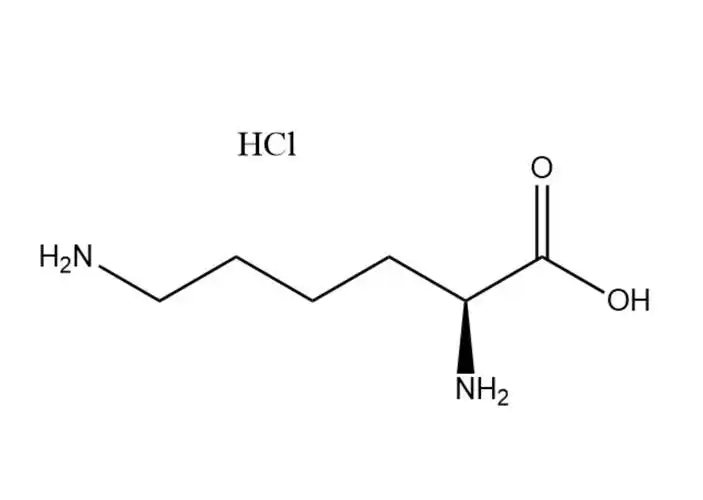
L-lysine monohydrochloride |
The free Cl⁻ ion in the hydrochloride salt form undergoes typical halide ion reactions, which are used for qualitative identification of L-lysine m... |
Все товары поставщика
Похожие товары
|
|
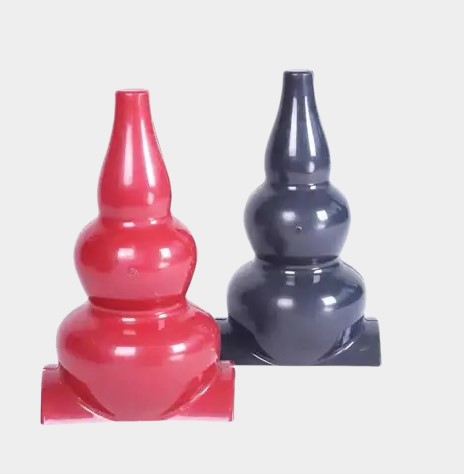
Calabashes Finial |
Продавец: 868715 |
Hangzhou Chuanya Building Materials Co., Ltd. offers Calabashes Finial, a decorative roofing acce... |
|
|
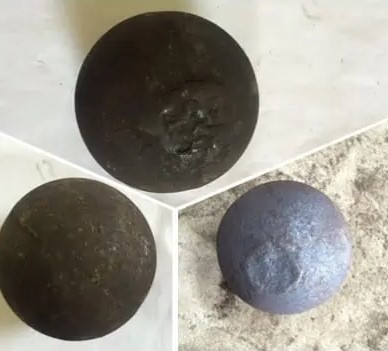
Casting Grinding Balls |
Продавец: 869376 |
Casting Grinding Balls
, so called as Casting Grinding media balls,casting grinding steel ba... |
|
|
Key Quality Factors in Food Contact Paper Production |
Продавец: Zhejiang Guanghe New Materials Co., Ltd. |
Guanghe supplies food-grade parchment paper for commercial bakeries, food processors, restaurants... |
|
|
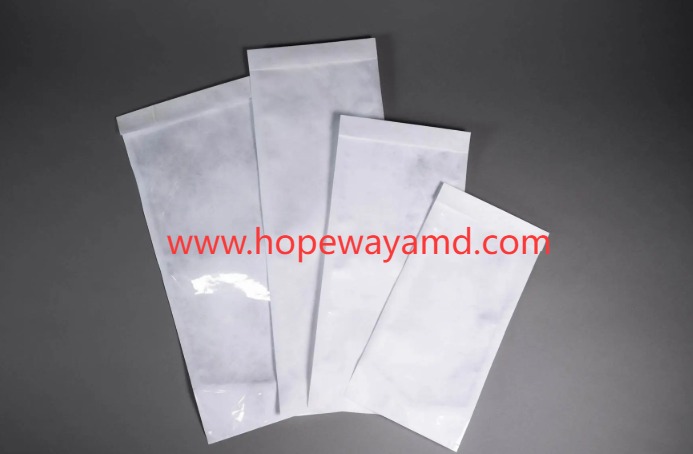
Heat Sealing Sterilization Pouch |
Продавец: Hopeway AMD |
Heat Sealing Sterilization Pouch is designed for secure medical instrument packaging, supporting ... |
|
|
Catalytic Converter Scrap Supplier, Catalytic Converter Scrap for Sale, , Catalytic Converter Scrap, Catalytic Scrap for Sale, Catalytic Scrap Supplier, Scrap Catalytic Supplier |
Продавец: Trucont LLC |
В компании Trucont LLC мы постоянно предлагаем лом каталитических преобразователей для немедленно... |