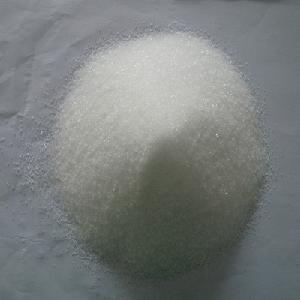
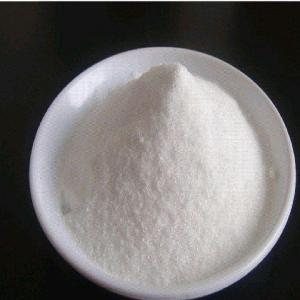
DL-Alanine
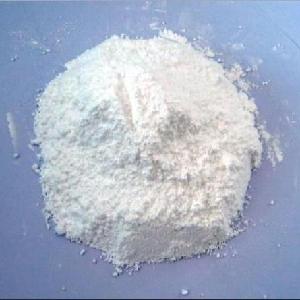
DL-Alanine is thermally stable under normal conditions but is sensitive to prolonged high temperatures, which may cause partial decomposition (e.g., amino group oxidation) or color changes (from white to yellowish).
- Recommended temperature range: 15–25°C (room temperature). Avoid exposure to temperatures above 30°C for extended periods (e.g., direct sunlight, near heating vents, or in hot warehouses).
- Freezing resistance: Short-term freezing (e.g., -10 to 0°C) does not damage DL-Alanine, but repeated freeze-thaw cycles may cause moisture condensation (leading to caking) once thawed. Thus, freezing is not recommended unless necessary, and thawed material should be used promptly.
Другие товары поставщика
|
|
L-tryptophan |
L-tryptophan is typically a white to slightly yellowish crystalline powder or needle-like crystals. It has a faint, characteristic odor and a sligh... |
|
|
Sucralose |
Sucralose is a trichloro derivative of sucrose (4,1',6'-trichloro-4,1',6'-dideoxy-galactosucrose), and its physical properties are influenced by th... |
|
|
L-Methionine |
Industrial Production Sources of L-Methionine(For Additives & Fortification) To meet the high demand for L-methionine in food, feed, and pharma... |
|
|
L-Tyrosine |
Uses of L-Tyrosine 1. Improving Mental Performance: ·L-Tyrosine may enhance cognitive performance under stressful conditions, such as multit... |
|
|
L-Cysteine hydrochloride monohydrate |
Packaging Requirements1. Primary PackagingSealable Bags/Bottles: Use hermetically sealed bags (e.g., foil-lined packages) or airtight bottles with ... |
Все товары поставщика
Похожие товары