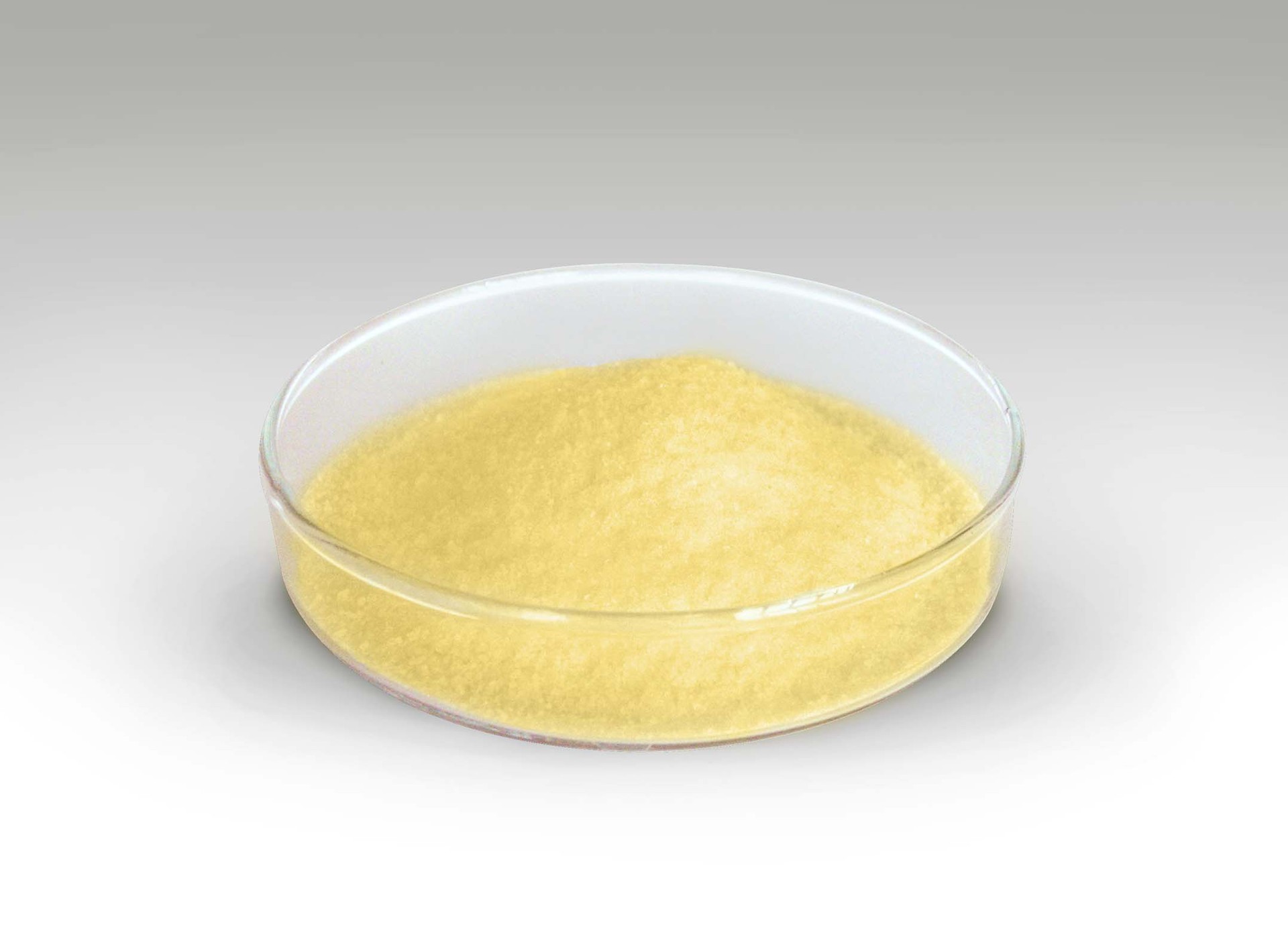
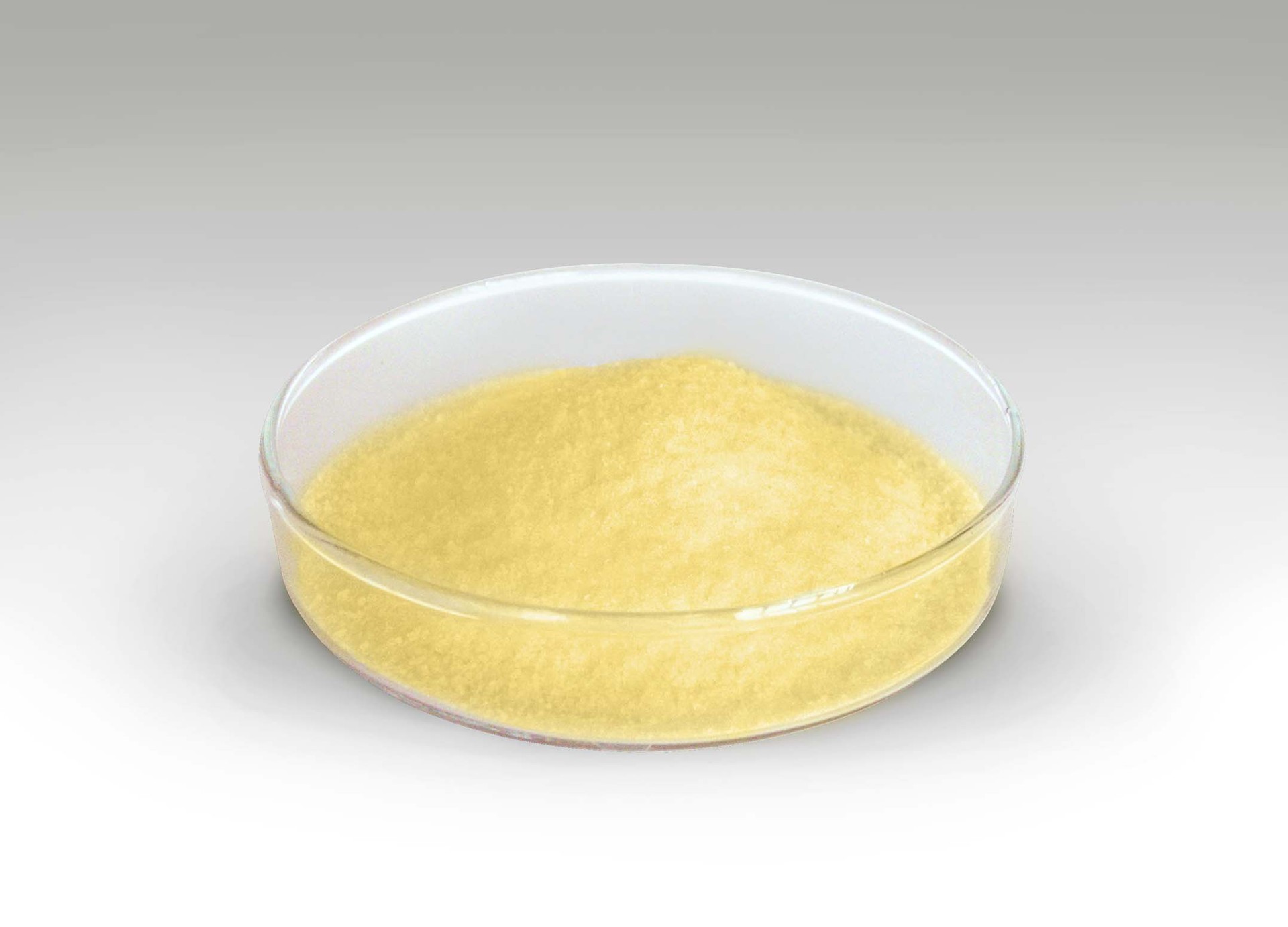
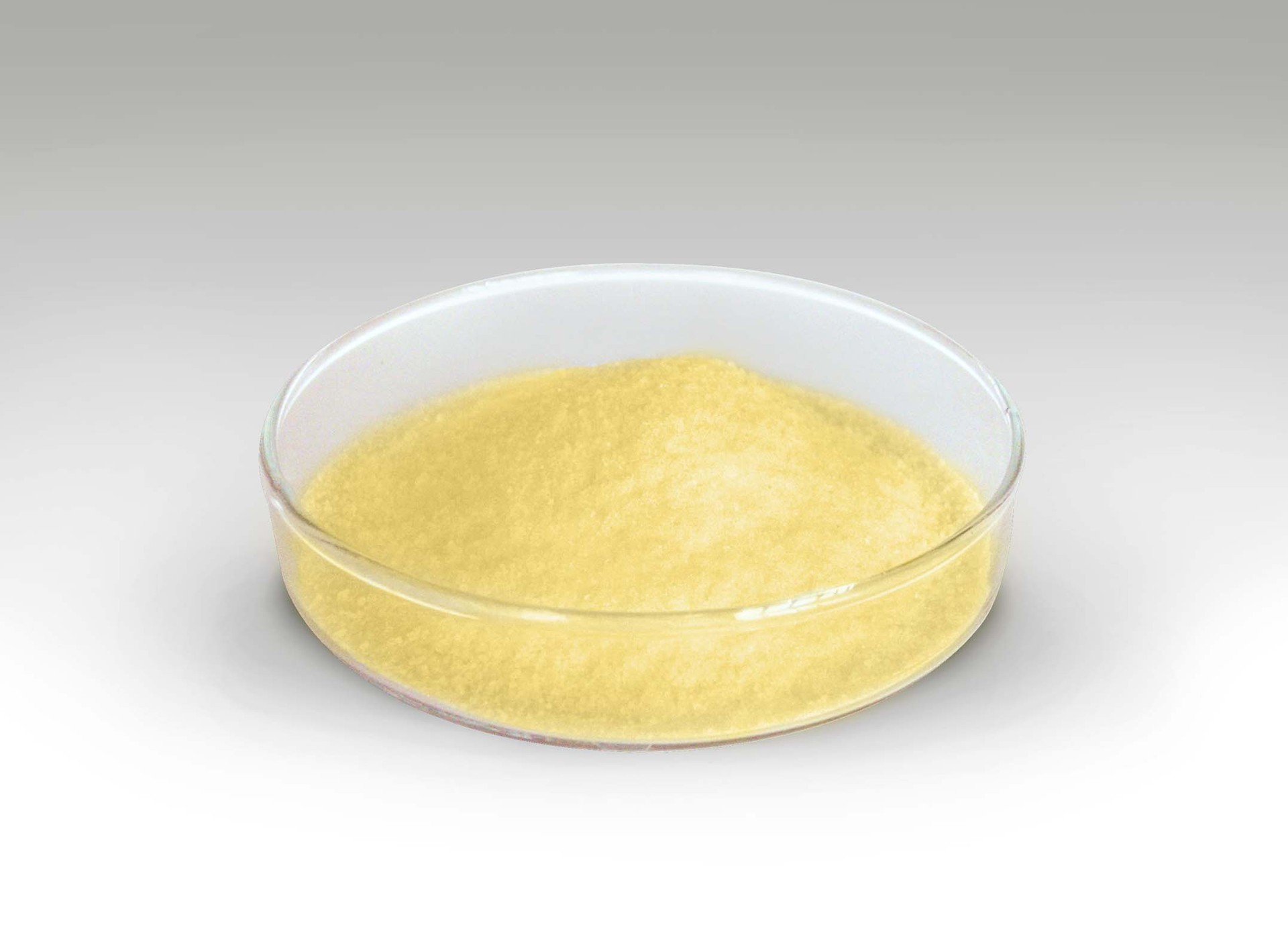
Phospholipid Raw Material
How structure enables membrane function: In aqueous environments (e.g., the cytoplasm inside cells or the extracellular fluid outside cells), phospholipids spontaneously self-assemble into a lipid bilayer—a stable, sheet-like structure where: Hydrophilic heads face outward, interacting with water molecules via hydrogen bonding and electrostatic attractions (this stabilizes the bilayer’s surface). Hydrophobic tails face inward, avoiding water and forming a dense, nonpolar "barrier" between the two aqueous compartments. This bilayer acts as a selectively permeable membrane: Small, nonpolar molecules (e.g., oxygen, carbon dioxide) can diffuse through the hydrophobic tail region. Large or polar molecules (e.g., sugars, ions, proteins) are blocked—preventing unregulated movement of substances and maintaining the cell’s internal environment (homeostasis).
Другие товары поставщика
|
|
Phospholipids as |
Phospholipids (especially those containing unsaturated fatty acids and tocopherols) exhibit mild antioxidant activity and can synergize with other ... |
|
|
Purchase price |
Dairy products (milk drinks, ice cream, cheese) and plant-based dairy alternatives (soy milk, oat milk) rely on stable oil-water emulsions to avoid... |
|
|
Phospholipids Supplier |
The physical properties of phospholipidsSolubility: Phospholipids have a hydrophilic head and a hydrophobic tail. This amphiphilic structure determ... |
|
|
Phosphatidylserine manufacturer |
Phosphatidylserine is a ubiquitous phosphatidylserine, which is mainly found in the inner layer of cell membranes. It is one of the components of c... |
|
|
Phospholipid Raw Material |
A phospholipid is a class of lipids (fats) that serve as fundamental building blocks of biological membranes (e.g., cell membranes, organelle membr... |
Все товары поставщика
Похожие товары