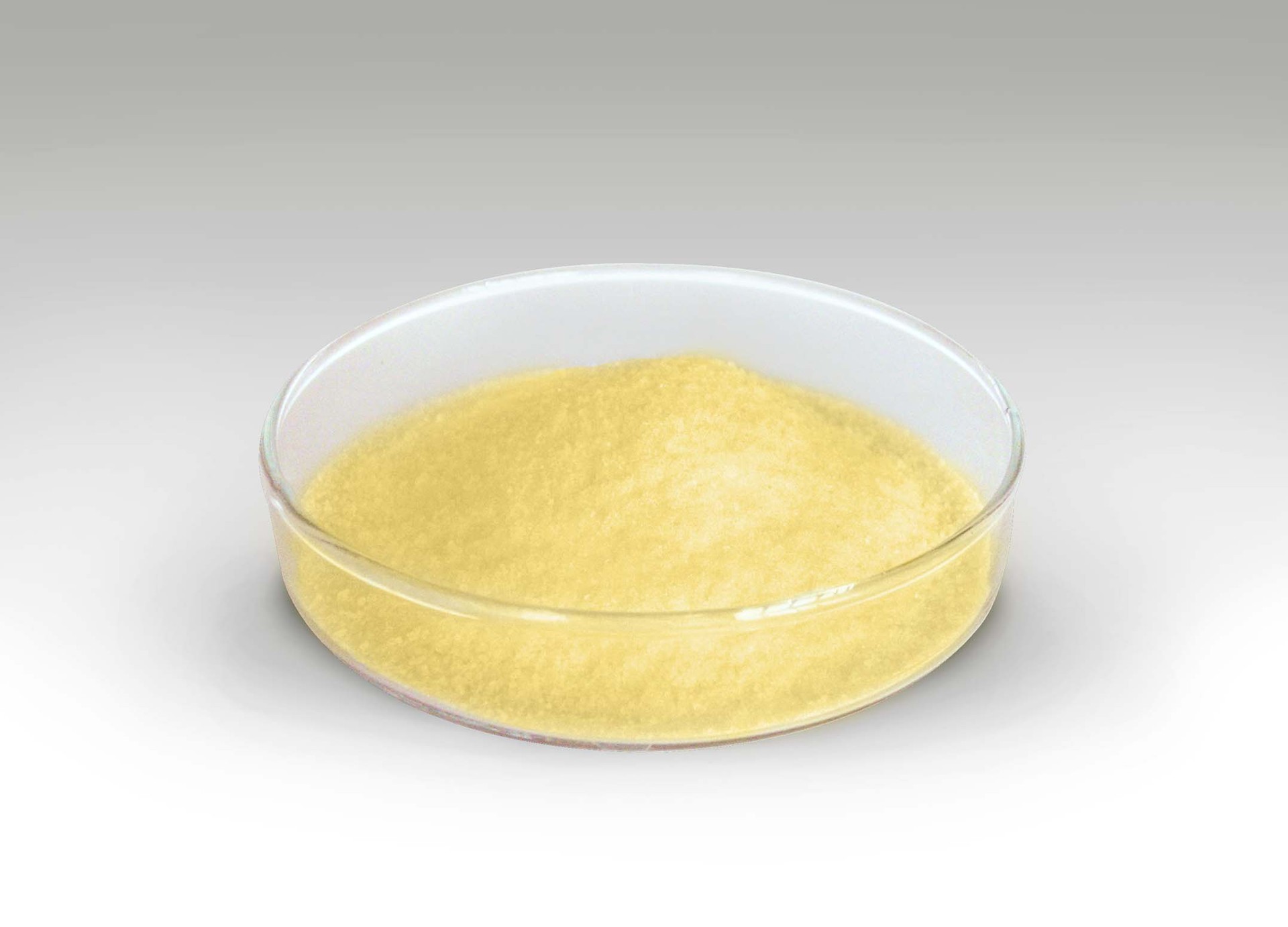
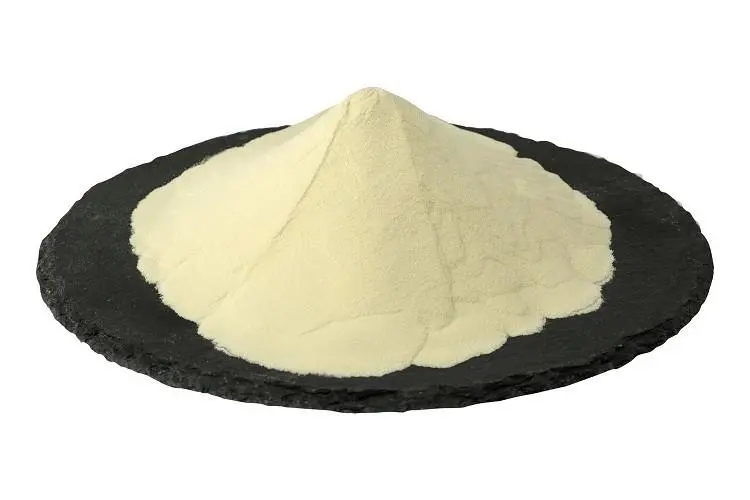
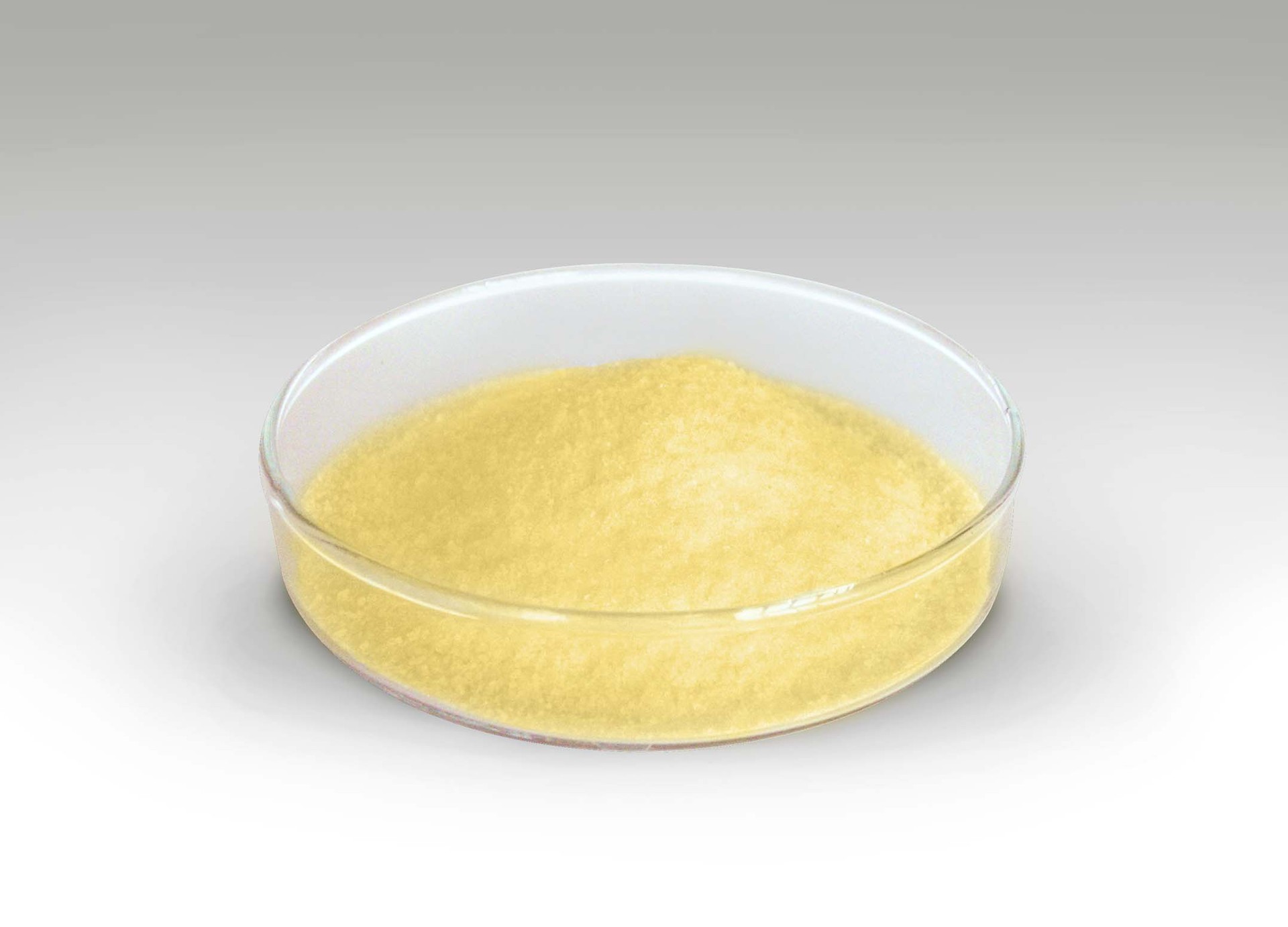
Phospholipid powder Price
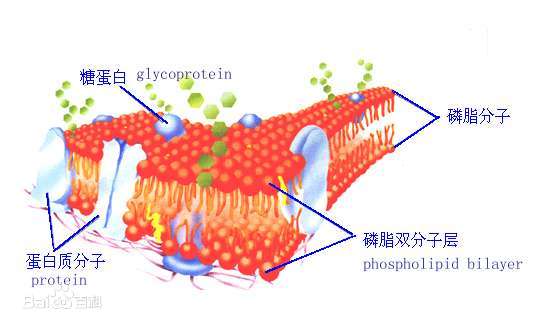
How structure enables membrane function: In aqueous environments (e.g., the cytoplasm inside cells or the extracellular fluid outside cells), phospholipids spontaneously self-assemble into a lipid bilayer—a stable, sheet-like structure where: Hydrophilic heads face outward, interacting with water molecules via hydrogen bonding and electrostatic attractions (this stabilizes the bilayer’s surface). Hydrophobic tails face inward, avoiding water and forming a dense, nonpolar "barrier" between the two aqueous compartments. This bilayer acts as a selectively permeable membrane: Small, nonpolar molecules (e.g., oxygen, carbon dioxide) can diffuse through the hydrophobic tail region. Large or polar molecules (e.g., sugars, ions, proteins) are blocked—preventing unregulated movement of substances and maintaining the cell’s internal environment (homeostasis).
Other supplier products
|
|
High quality Phosphatidylserine Powder |
Phosphatidylserine supplements serve as a neuroprotective agent for populations exposed to neurotoxic stressors or with neurological disorders.Prot... |
|
|
Phospholipid powder as a nutrient additive |
Phospholipids play a pivotal role in nutritional supplements, leveraging their unique structural properties (amphiphilicity, biocompatibility) and ... |
|
|
Phosphatidylserine powder dietary supplement |
Phosphatidylserine powder is a dietary supplement that is used in various industries, including:
Health and wellness:phosphatidylserine powderis us... |
|
|
Phospholipid supplier |
Phospholipids are a class of lipids that are essential components of cell membranes and have various applications in food, pharmaceuticals, and oth... |
|
|
High pressure jet micro pulverizing system |
A high-pressure jet micro-pulverizing system, also known as a jet mill, is a type of equipment used for the micronization or fine grinding of vario... |
All supplier products
Same products