

Nisin’s value in seafood products

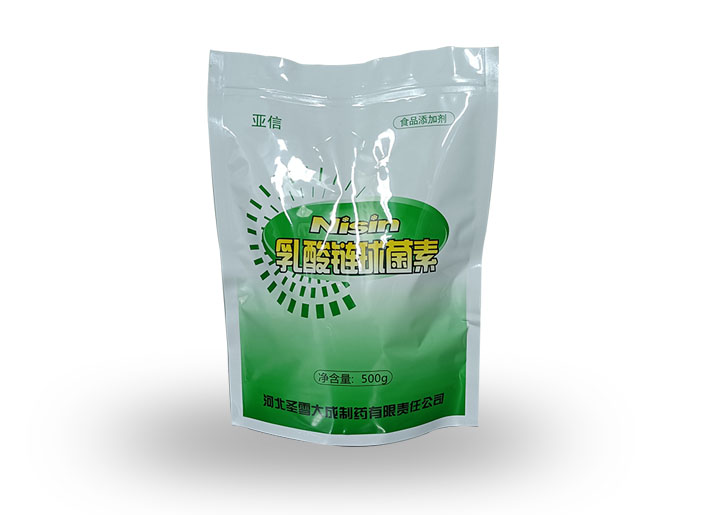
Nisin’s value in seafood products lies in its ability to "naturally inhibit bacteria, preserve freshness, and maintain flavor"—it effectively extends shelf life without compromising seafood’s nutritional quality or umami. However, its application requires targeted adjustments based on product type, combined use with other preservation technologies to address spectrum limitations, and strict adherence to dosage and distribution standards. By following these guidelines, Nisin can significantly improve the safety and shelf stability of seafood products, especially in ready-to-eat and refrigerated categories.
To maximize Nisin’s efficacy and avoid quality risks, the following precautions must be observed:
1. Address Antibacterial Spectrum Limitations
Nisin only inhibits Gram-positive bacteria and is ineffective against common Gram-negative seafood pathogens (e.g., Vibrio parahaemolyticus, E. coli) and mold.
Solution: Combine Nisin with other preservatives or technologies to expand the antibacterial spectrum:
Mix with organic acids (e.g., 0.1% citric acid or lactic acid) to disrupt the outer membrane of Gram-negative bacteria, enhancing Nisin’s penetration.
Use with natural extracts (e.g., 0.2% tea polyphenols or rosemary extract) to inhibit mold and reduce lipid oxidation (a major cause of "rancid flavor" in fatty seafood like salmon).
2. Control Dosage Strictly
Compliance with Standards: Follow national regulations (e.g., China’s GB 2760 specifies a maximum Nisin dosage of 0.5 g/kg in seafood products; the EU allows up to 0.2 g/kg for ready-to-eat seafood).
Avoid Overuse: Excessive Nisin (>0.1 g/kg for fresh seafood) does not enhance efficacy but may cause a slight "bitter aftertaste" in delicate seafood (e.g., white fish or shrimp) and increase production costs.
3. Ensure Uniform Distribution Seafood products (especially irregularly shaped ones like whole fish or crab) are prone to uneven Nisin distribution, leading to localized spoilage. Solutions: For fresh seafood: Extend soaking time to 15–20 minutes or use a stirrer during soaking to ensure all surfaces are in contact with the Nisin solution. For surimi products: Use a high-speed mixer during mashing to evenly disperse Nisin in the surimi (mixing speed ≥1000 rpm for 5–10 minutes). 4. Pay Attention to Compatibility with Seafood Components Avoid Interactions with High-Protein Matrices: Seafood’s high protein content may bind to Nisin, reducing its free concentration and efficacy. Solution: Add Nisin after pre-treating surimi with a small amount of salt (0.5%–1% NaCl)—salt can dissociate protein aggregates, reducing Nisin-protein binding. Acidic Environment Adaptation: Nisin is more stable in acidic conditions (pH 2.0–6.0). For alkaline seafood (e.g., canned squid, pH ~7.5), adjust the pH to 6.0–6.5 with citric acid before adding Nisin to maintain its activity. 5. Proper Storage of Nisin and Treated Seafood Nisin Storage: Store food-grade Nisin (powder form) in a cool, dry, light-proof environment (temperature <25°C, relative humidity <60%) to prevent moisture absorption and loss of activity. Once opened, use within 1 month. Treated Seafood Storage: Nisin enhances preservation but does not replace proper temperature control. Fresh/seafood products should be stored at 0–4°C (refrigerated), and canned seafood should be kept away from direct sunlight to avoid oxidation.
Отправить запрос, связаться с поставщиком
Другие товары поставщика
 |
Sulfachloropyrazine Sodium Soluble Powder | Trade Name: Shengxue Qiuling Common Name: Sulfachloropyrazine Sodium Soluble Powder Main Ingredients: Sulfachloropyrazine Sodium Description: This ... |
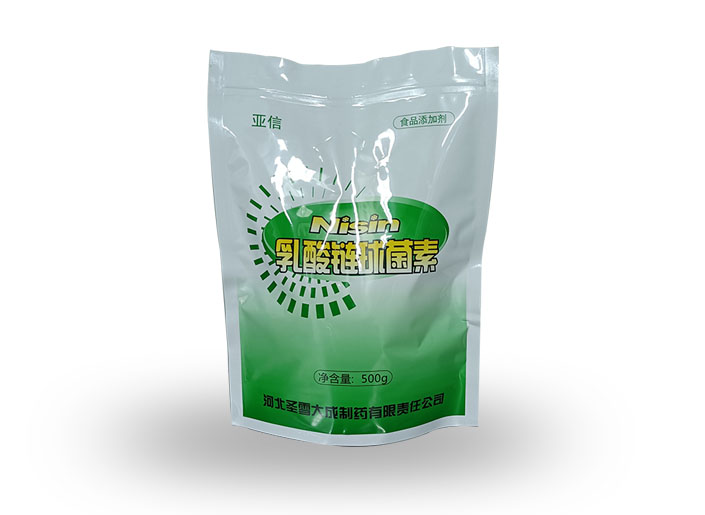 |
Nisin | One of the benefits of using nisin as a preservative is that it is a natural and safe alternative to synthetic preservatives. Synthetic preservativ... |
 |
Nisin Powder | Practical Implications for Food ApplicationsFormulation Considerations:When using nisin in food products, the pH of the matrix affects both its eff... |
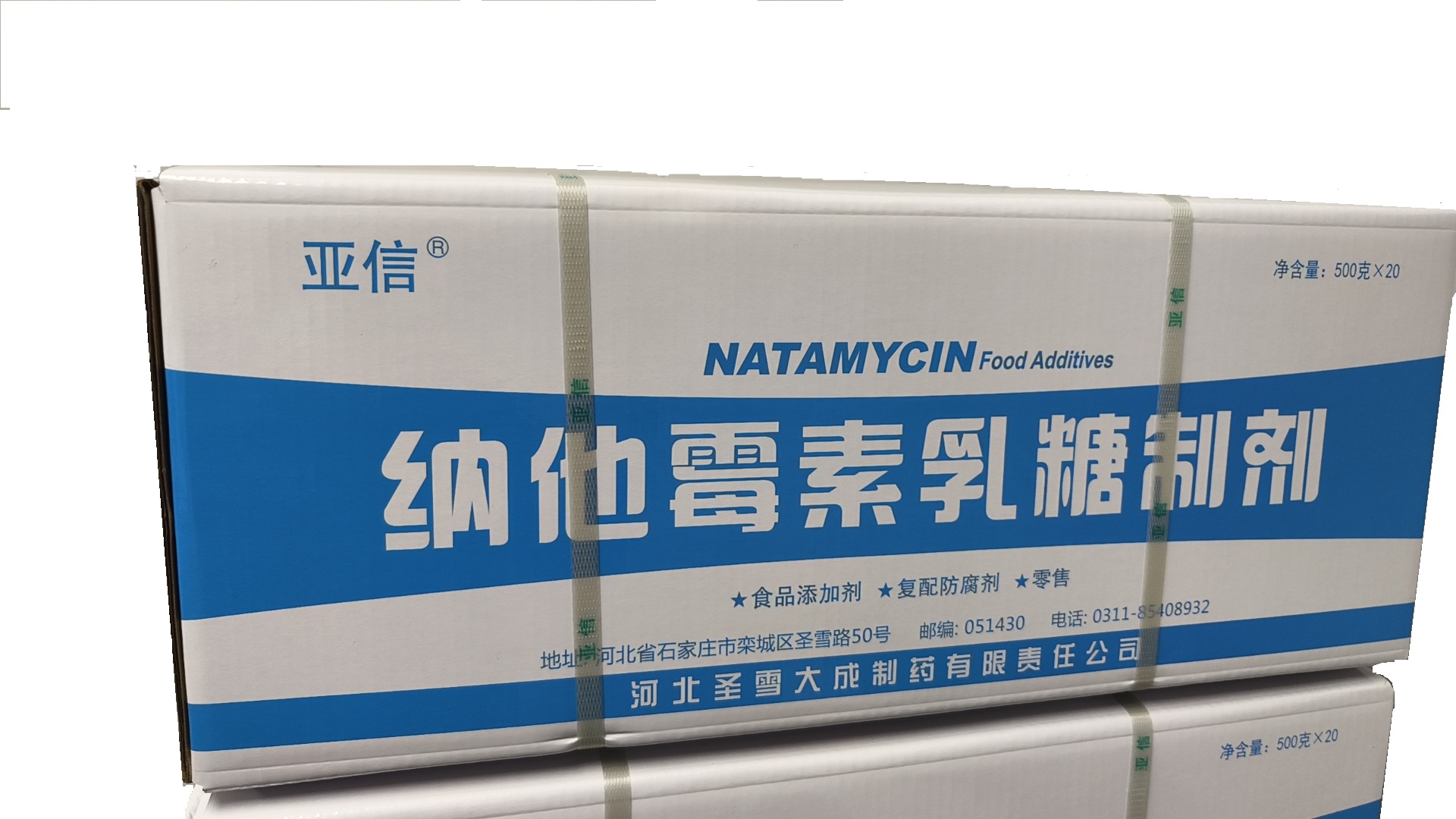 |
Natamycin Manufacturer | Natamycin is a polyene macrolide antibiotic produced by the fermentation of microorganisms such as Streptomyces natalensis and Streptomyces glauces... |
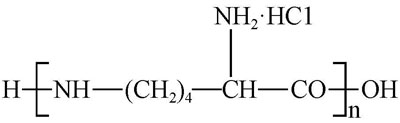 |
ε-Polylysine hydrochloride | One of the key advantages of using ε-Polylysine hydrochloride as a preservative is that it is a natural substance that is easily broken dow... |
Похожие товары
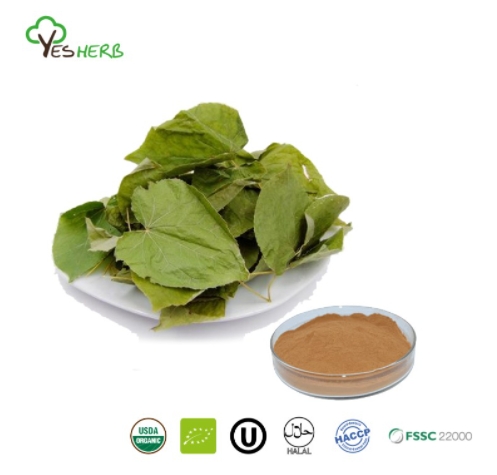 |
Epimedium Extract | Продавец: Fruit Powder,Vegetable Powder | Product Name: Epimedium ExtractLatin Name: Epimedium Sagittatum Maxim.Specification: Icariin 5%, ... |
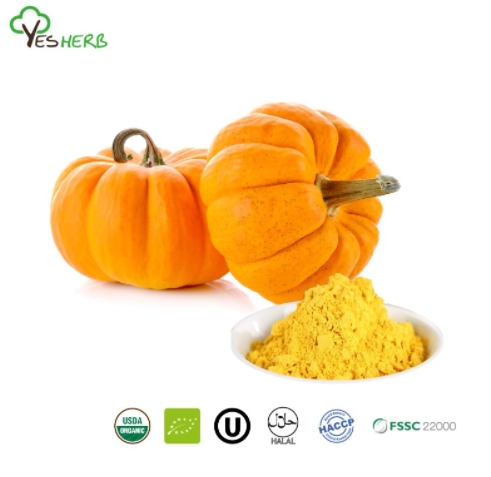 |
Pumpkin Powder | Продавец: Fruit Powder,Vegetable Powder | Product Name: Pumpkin PowderLatin Name: Cucurbita pepo L.Used Part: FruitAppearance: yellow fine ... |
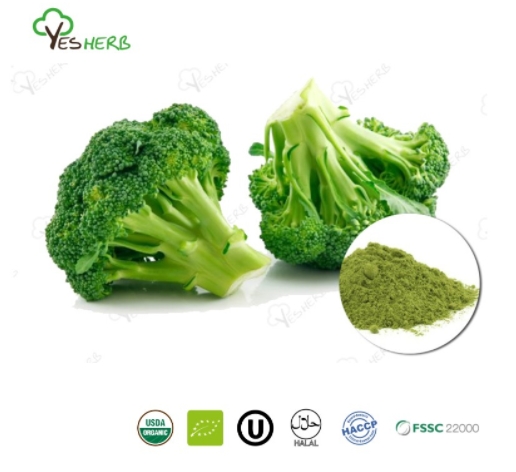 |
Broccoli Powder | Продавец: Fruit Powder,Vegetable Powder | Product Name: Broccoli powder Latin Name: Brassica oleracea L.var.italic Planch. Used Part: Who... |
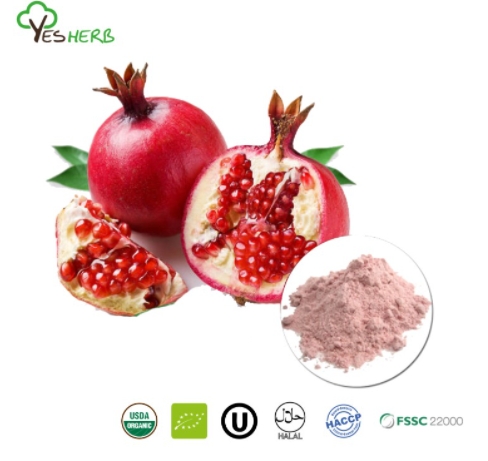 |
Pomegranate Powder | Продавец: Fruit Powder,Vegetable Powder | Product Name: Pomegranate PowderLatin Name: Punica granatum linn.Used Part: Fruit juiceAppearance... |
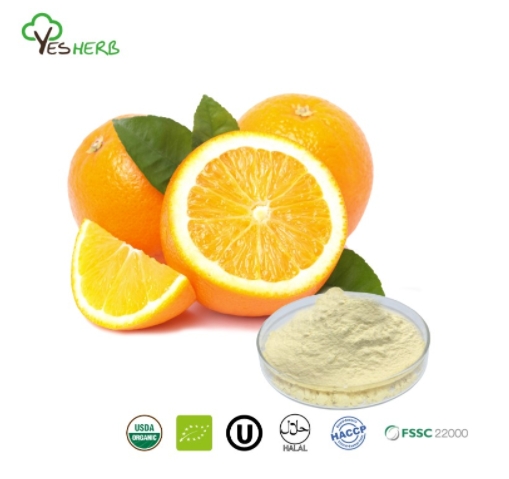 |
Orange Powder | Продавец: Fruit Powder,Vegetable Powder | Product Name: Orange PowderLatin Name: Citrus sinensisUsed Part: Fruit juiceAppearance: Light yel... |

