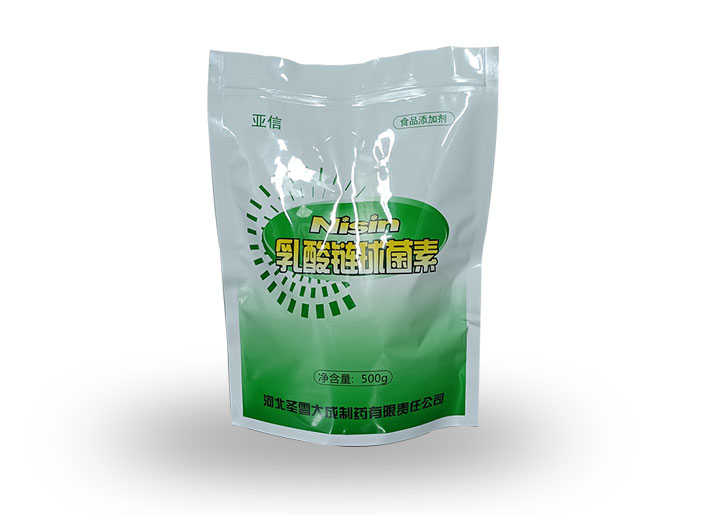
Toxicological Safety of Nisin
Acute and Chronic Toxicity: Acute toxicity studies show that Nisin has an LD₅₀ > 5000 mg/kg in rodents (oral administration), indicating extremely low acute toxicity. Long-term chronic toxicity studies (12–24 months) in rats and dogs at doses up to 1000 mg/kg/day show no adverse effects on growth, reproduction, or organ function, with no evidence of carcinogenicity, mutagenicity, or teratogenicity. Allergenicity: Nisin is a small peptide (molecular weight ~3.5 kDa) that is rapidly degraded into amino acids in the gastrointestinal tract by proteases (e.g., pepsin, trypsin), posing minimal allergenic risk. No clinical cases of Nisin-induced allergies have been reported globally, and it is not structurally homologous to common food allergens.
Другие товары поставщика
|
|
ε-Polylysine hydrochloride |
Despite its many potential benefits, however, there are some concerns about the safety of ε-Polylysine hydrochloride, particularly with reg... |
|
|
Nisin |
Nisin is a natural antimicrobial peptide produced by certain strains of lactic acid bacteria.It has potent antimicrobial properties, particularly a... |
|
|
Nisin Raw Material |
Nisin is widely approved for use in food globally, with strict safety standards:
GRAS designation: The FDA (U.S.) and EFSA (EU) have classified n... |
|
|
Gentamycin Sulfate Soluble Powder |
Gentamycin Sulfate Soluble Powder is a type of antibiotic medication used to treat bacterial infections in animals. It is a broad-spectrum antibiot... |
|
|
Nisin in Aquatic Products |
Application in Aquatic Products: Reducing Pathogens and Extending Freshness Aquatic products (fresh fish, shrimp, surimi products) are highly peris... |
Все товары поставщика
Похожие товары