Toxicological Safety of Nisin
Acute and Chronic Toxicity: Acute toxicity studies show that Nisin has an LD₅₀ > 5000 mg/kg in rodents (oral administration), indicating extremely low acute toxicity. Long-term chronic toxicity studies (12–24 months) in rats and dogs at doses up to 1000 mg/kg/day show no adverse effects on growth, reproduction, or organ function, with no evidence of carcinogenicity, mutagenicity, or teratogenicity. Allergenicity: Nisin is a small peptide (molecular weight ~3.5 kDa) that is rapidly degraded into amino acids in the gastrointestinal tract by proteases (e.g., pepsin, trypsin), posing minimal allergenic risk. No clinical cases of Nisin-induced allergies have been reported globally, and it is not structurally homologous to common food allergens.
Other supplier products
|
|
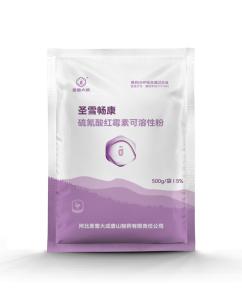
Erythromycin Thiocyanate Soluble Powder |
Erythromycin Thiocyanate Soluble Powder is a type of macrolide antibiotic used to treat bacterial infections in various animal species. It is a bro... |
|
|
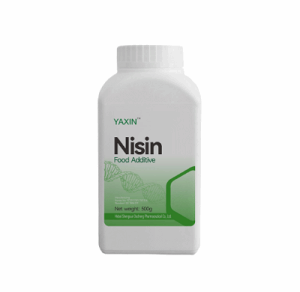
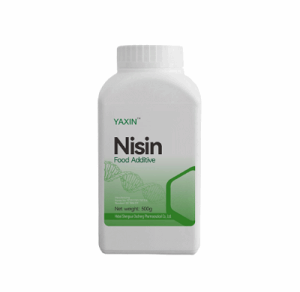
Nisin |
Nisin is a natural polypeptide antibacterial substance produced by Streptococcus lactis. Its acute oral toxicity in rats is LD₅₀ > 2000 mg/kg bo... |
|
|
Nisin Supplier |
Solubility: Nisin's solubility varies with pH. For example: In water (pH = 7), its solubility is 49.0 mg/ml In 0.02M hydrochloric acid, its solubil... |
|
|
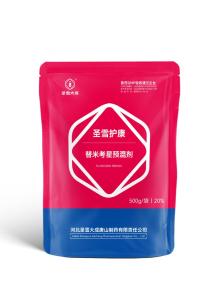
Tilmicosin Premix 20% |
Product Name: Shengxue HukangGeneric Name: Tilmicosin PremixActive Ingredient: TilmicosinDescription: Shengxue Hukang is a light yellow powder.Spec... |
|
|
Nisin Powder |
pH and Nisin StabilityOptimal Stability in Acidic Conditions (pH 3–5):Nisin is a polypeptide antibiotic produced by Lactococcus lactis, and i... |
供应产品
Same products