Safety Considerations in Practical Applications of Nisin
Dosage Control: Excessive addition (>0.5 g/kg) not only increases production costs but may also cause slight bitterness in foods (e.g., dairy products, beverages) due to high peptide concentration, though it does not pose health risks. Strict adherence to national dosage limits is required to balance efficacy and sensory quality.
Special Populations: While Nisin is generally safe for infants and pregnant women, its use in infant foods (<36 months) requires compliance with specific standards (e.g., China’s GB 2760 stipulates a maximum of 0.1 g/kg in infant formula accessories).
Cross-Contamination: Nisin production facilities should be separated from those producing allergens (e.g., milk, soy) to avoid cross-contamination, though the risk is inherently low due to its non-allergenic nature.
Другие товары поставщика
|
|
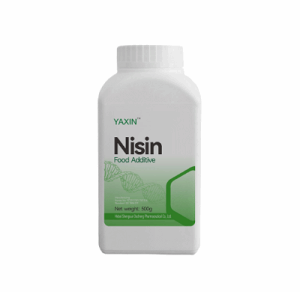
Nisin Powder |
Nisin in Meat and Poultry Products Cooked Meats: Added to deli meats, sausages, and canned meats, nisin inhibits Listeria, Staphylococcus aureus, a... |
|
|
Nisin Raw Material Supplier |
In addition to its preservative effects, nisin can also improve food quality. It does not alter the color, aroma, flavor, or texture of the food, a... |
|
|
Nisin Quality Manufacturer |
In some cases, the addition of nisin allows dairy products to be preserved without the need for extensive heat treatment. Heat treatment can affect... |
|
|
Spectinomycin Hydrochloride Soluble Powder 50% 200g |
Product Name: Spectinomycin Hydrochloride Soluble PowderMain ingredients: Spectinomycin hydrochlorideDescription: This product is a white or off-wh... |
|
|
Spectinomycin Hydrochloride and Lincomycin Hydrochloride Soluble Powder 10% 500g |
Product Name: Spectinomycin Hydrochloride and Lincomycin Hydrochloride Soluble PowderMain Ingredients: Spectinomycin Hydrochloride, Lincomycin Hydr... |
Все товары поставщика
Похожие товары