Safety Considerations in Practical Applications of Nisin
Dosage Control: Excessive addition (>0.5 g/kg) not only increases production costs but may also cause slight bitterness in foods (e.g., dairy products, beverages) due to high peptide concentration, though it does not pose health risks. Strict adherence to national dosage limits is required to balance efficacy and sensory quality.
Special Populations: While Nisin is generally safe for infants and pregnant women, its use in infant foods (<36 months) requires compliance with specific standards (e.g., China’s GB 2760 stipulates a maximum of 0.1 g/kg in infant formula accessories).
Cross-Contamination: Nisin production facilities should be separated from those producing allergens (e.g., milk, soy) to avoid cross-contamination, though the risk is inherently low due to its non-allergenic nature.
Other supplier products
|
|
Nisin's stability during storage |
Nisin’s stability during storage directly determines its shelf life and efficacy in end products.Dry powder form: When stored in sealed, ligh... |
|
|
Nisin 25kg Supply price |
Advantages and Limitations Of Nisin Advantages: Natural origin (consumer-friendly), broad activity against harmful gram-positive bacteria, safe for... |
|
|
Natamycin Supplier |
Natamycin, as a food additive, has undergone extensive and in-depth safety assessment and is considered safe and reliable, as described in the foll... |
|
|
Natamycin |
New products coming soon! Welcome to inquire and book! Proper storage of natamycin is crucial to maintaining its stability and effectiveness, wheth... |
|
|
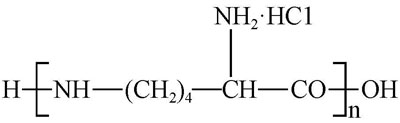
ε-Polylysine hydrochloride |
One of the key advantages of using ε-Polylysine hydrochloride as a preservative is that it is a natural substance that is easily broken dow... |
供应产品
Same products