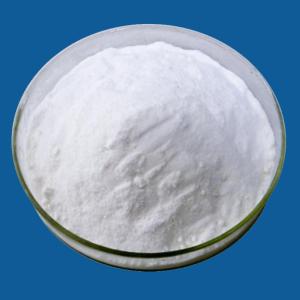
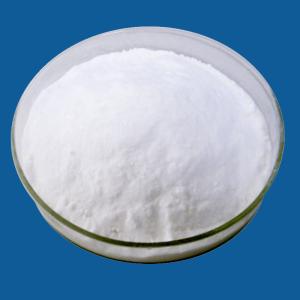
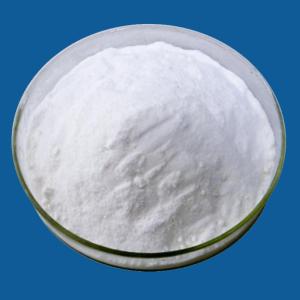
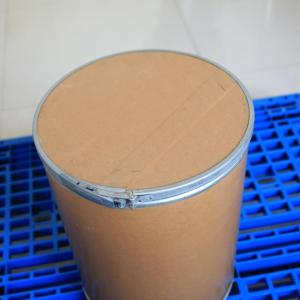
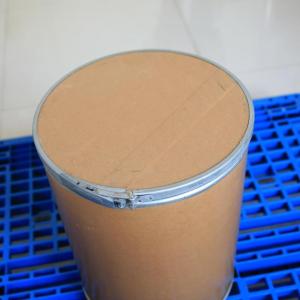
L-Cysteine S-Sulfate Na


Melting Point and Thermal Stability of L-Cysteine S-Sulfate Na Melting and decomposition characteristics: Unlike small-molecule organic compounds, L-cysteine S-sulfate sodium salt does not have a clear melting point. When heated to 180–190 °C, it begins to undergo thermal decomposition instead of melting. The decomposition process is accompanied by the release of sulfur dioxide (SO₂) gas, and the solid gradually turns brown and then black due to carbonization. Thermal stability: It is relatively stable at room temperature and below 100 °C. When heated to 120 °C for a short time (e.g., during drying), it does not decompose significantly. However, prolonged heating above 150 °C will cause the cleavage of the S-SO₃ bond, converting it back to L-cysteine and sulfite, which affects its chemical properties and application efficacy. Storage stability: It should be stored in a sealed, cool, and dark environment. Exposure to high temperature, strong light, or humid air will accelerate its decomposition and oxidation, reducing the purity of the product.
Другие товары поставщика
|
|
Cystine Disodium Salt |
Cystine Disodium Salt, a water-soluble ionic derivative of L-cystine, leverages its unique physicochemical properties—including high aqueous ... |
|
|
Glycyl-glycyl-glycine |
Glycyl-glycyl-glycine, also known as triglycine, is a tripeptide composed of three glycine molecules linked by peptide bonds. Its usage features ar... |
|
|
Phospho-L-Tyrosine Disodium Salt |
Phospho-L-Tyrosine Disodium Salt in Diagnostic Reagent ManufacturingBiomarker Detection Kits: Incorporated into in vitro diagnostic (IVD) kits to d... |
|
|
L-Cysteine S-Sulfate Na |
Optical Activity of L-Cysteine S-Sulfate Na As a derivative of L-cysteine, it retains the chiral center at the α-carbon atom (R configuration... |
|
|
Hydantoin |
Hydantoin in Chemical Industry Intermediates for Organic Synthesis: Hydantoin is a valuable intermediate in the synthesis of various organic compou... |
Все товары поставщика
Похожие товары