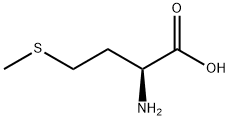
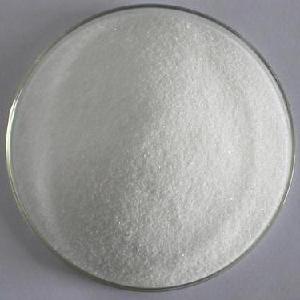
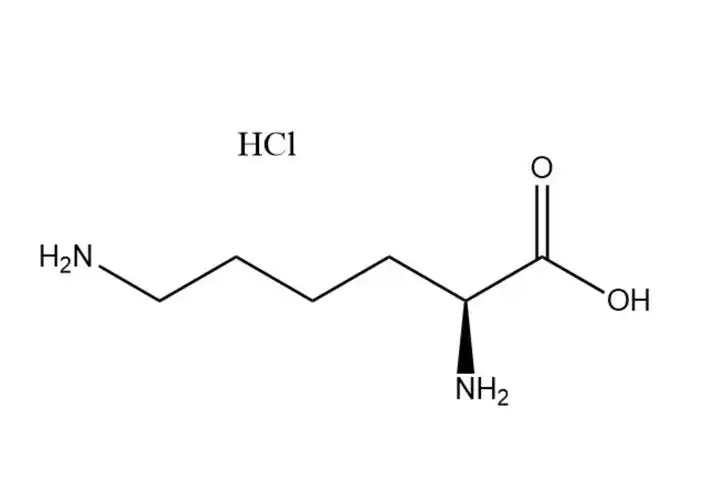
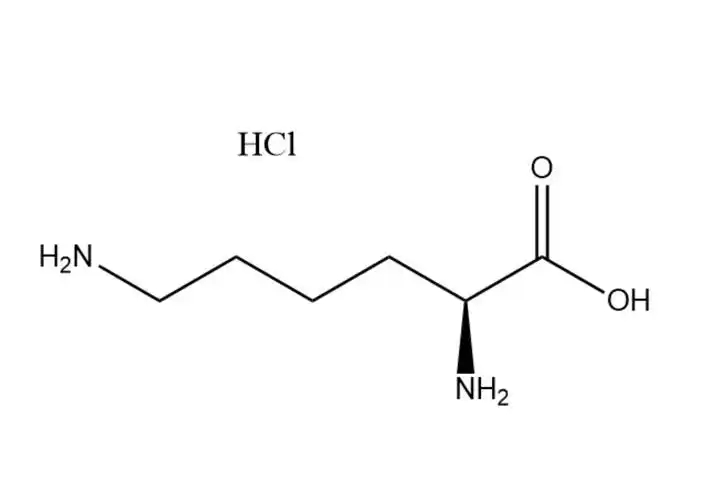
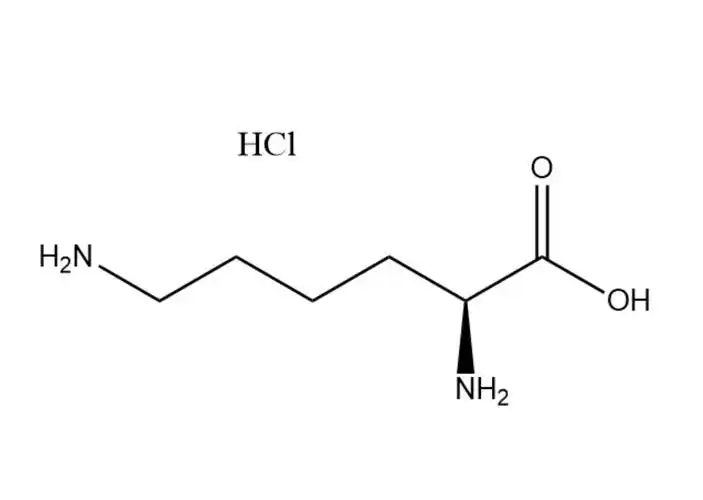
DL-methionine

The carboxyl group in DL-methionine can undergo esterification, amidation, and decarboxylation reactions under specific conditions.
Esterification reaction: In the presence of a strong acid catalyst (e.g., concentrated sulfuric acid) and excess alcohol (e.g., methanol, ethanol), the carboxyl group undergoes esterification to form DL-methionine esters. For instance, reacting with methanol yields methyl DL-methioninate, a compound with good solubility in organic solvents, which is widely used as an intermediate in organic synthesis.
Amidation reaction: The carboxyl group can react with ammonia or primary amines to form amides. When DL-methionine reacts with ammonia under heating and pressure, it produces DL-methioninamide, a compound with high biological activity that is used in the production of specialized nutritional supplements.
Decarboxylation reaction: DL-methionine undergoes decarboxylation only under harsh conditions (e.g., high temperature above 300 °C or catalysis by strong bases), producing 4-(methylthio)butylamine and carbon dioxide. This reaction is not observed under normal storage or processing conditions, which ensures the stability of DL-methionine in industrial applications.
Другие товары поставщика
|
|
Glycine |
Glycine is the smallest, simplest and most important natural amino acid. It is not only a fundamental substance for life but also an extremely vers... |
|
|
L-tryptophan Supplier |
Photodegradation of L-tryptophan
The indole ring is highly sensitive to ultraviolet (UV) light and oxygen. Under UV irradiation (e.g., sunlight), L... |
|
|
L-proline |
The biological functions of L-prolineProtein structure maintenance: L-proline is one of the 20 common amino acids that make up proteins. Its cyclic... |
|
|
L-Methionine |
L-Methionine, as an essential sulfur-containing amino acid, plays multifaceted and irreplaceable roles in the human body, spanning protein synthesi... |
|
|
Chemical Properties of Inositol |
Chemical Properties of Inositol 1. Molecular structure and isomerism Inositol is a cyclic hexahydric alcohol with the molecular formula C6H12O6, co... |
Все товары поставщика
Похожие товары