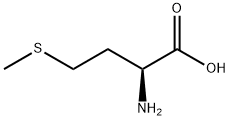
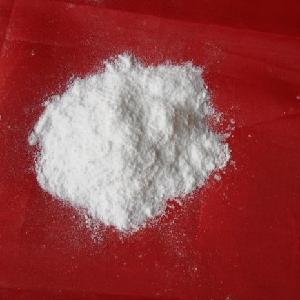
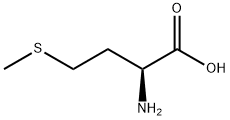
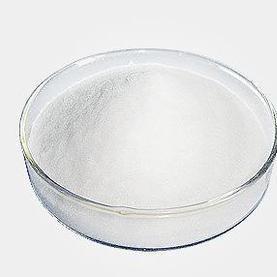
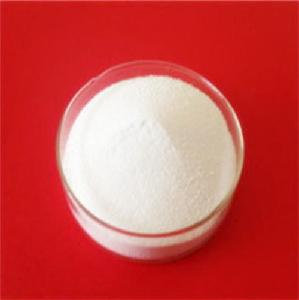
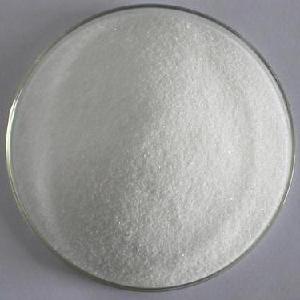
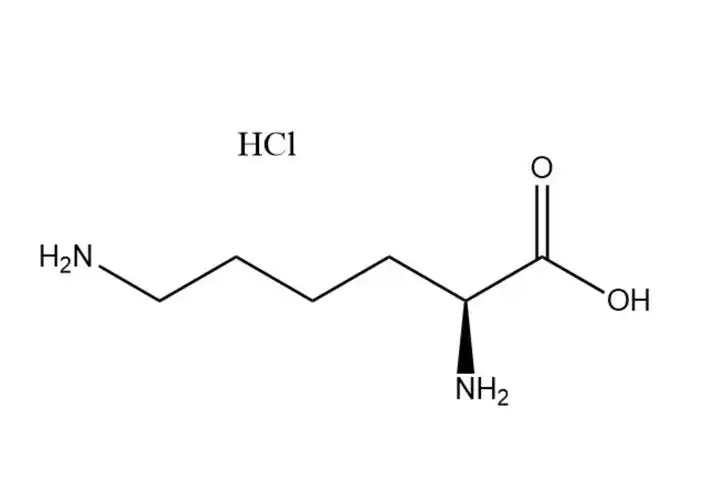
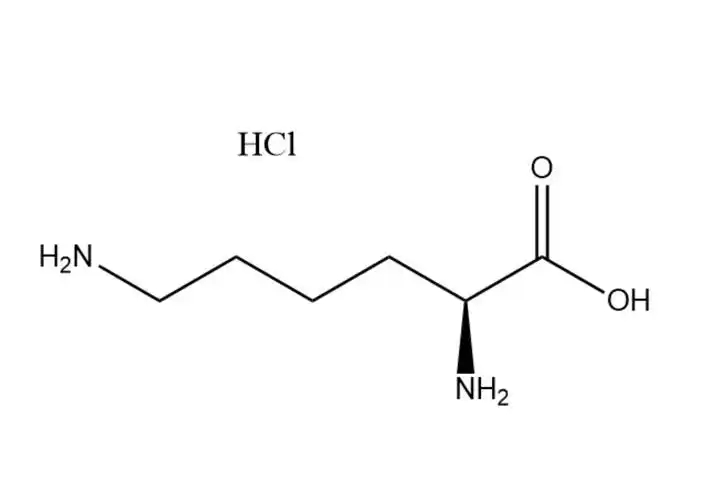
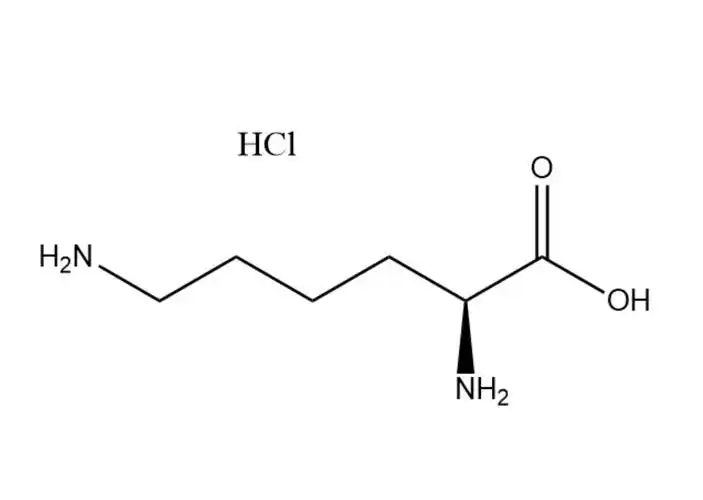
DL-methionine powder

DL-Methionine is used in the food industry as a nutritional fortifier and processing aid, with applications focused on improving the nutritional quality of food and optimizing processing properties.
Nutritional fortifier: It is added to fortified foods such as infant formula, cereal products, and plant-based meat to supplement essential amino acids, making the amino acid composition of food closer to the ideal protein pattern recommended by the Food and Agriculture Organization (FAO). For example, adding DL-methionine to soy protein-based plant meat can significantly improve its protein quality and reduce the "beany flavor" of plant-based products.
Flavor modifier and preservative: The sulfur-containing side chain of DL-methionine can participate in the Maillard reaction during food processing, promoting the formation of flavor substances such as sulfur-containing heterocycles and enhancing the umami and aroma of baked foods (e.g., bread, biscuits) and meat products (e.g., sausages, ham). Meanwhile, its antioxidant properties can slow down the oxidation of food ingredients, extending the shelf life of processed foods.
Chelating agent for mineral fortification: DL-Methionine can form stable chelate complexes with mineral elements such as iron, zinc, and copper. These amino acid-mineral chelates have higher bioavailability than inorganic minerals. For example, zinc-methionine chelate added to food is more easily absorbed by the human body than zinc sulfate, making it suitable for the production of functional foods targeting mineral supplementation.
Другие товары поставщика
|
|
L-Phenylalanine |
L-Phenylalanine is an essential amino acid with significant biological functions and various applications. Here is a detailed account:
Basic Inform... |
|
|
DL-Methionine |
DL-Methionine, chemically designated asDL-2-amino-4-(methylthio)butanoic acid, is a racemic mixture consisting of equimolar quantities of L-methion... |
|
|
The biological activity of inositol |
Biological Activities of Inositol 1. Regulate lipid metabolism and protect the liver Inositol promotes fat transportation and decomposition, inhibi... |
|
|
L-Methionine |
L-Methionine is a critical precursor for the synthesis of glutathione (GSH), the body’s primary intracellular antioxidant, through the transs... |
|
|
Glycine |
Glycine is a non-essential amino acid naturally present in the human body and is also a substance internationally recognized as having extremely hi... |
Все товары поставщика
Похожие товары