Leakage Test System,ISO 20485 sealed component leak tester

Whats/App: +86 156 1874 6768
Web: standard-groups.com
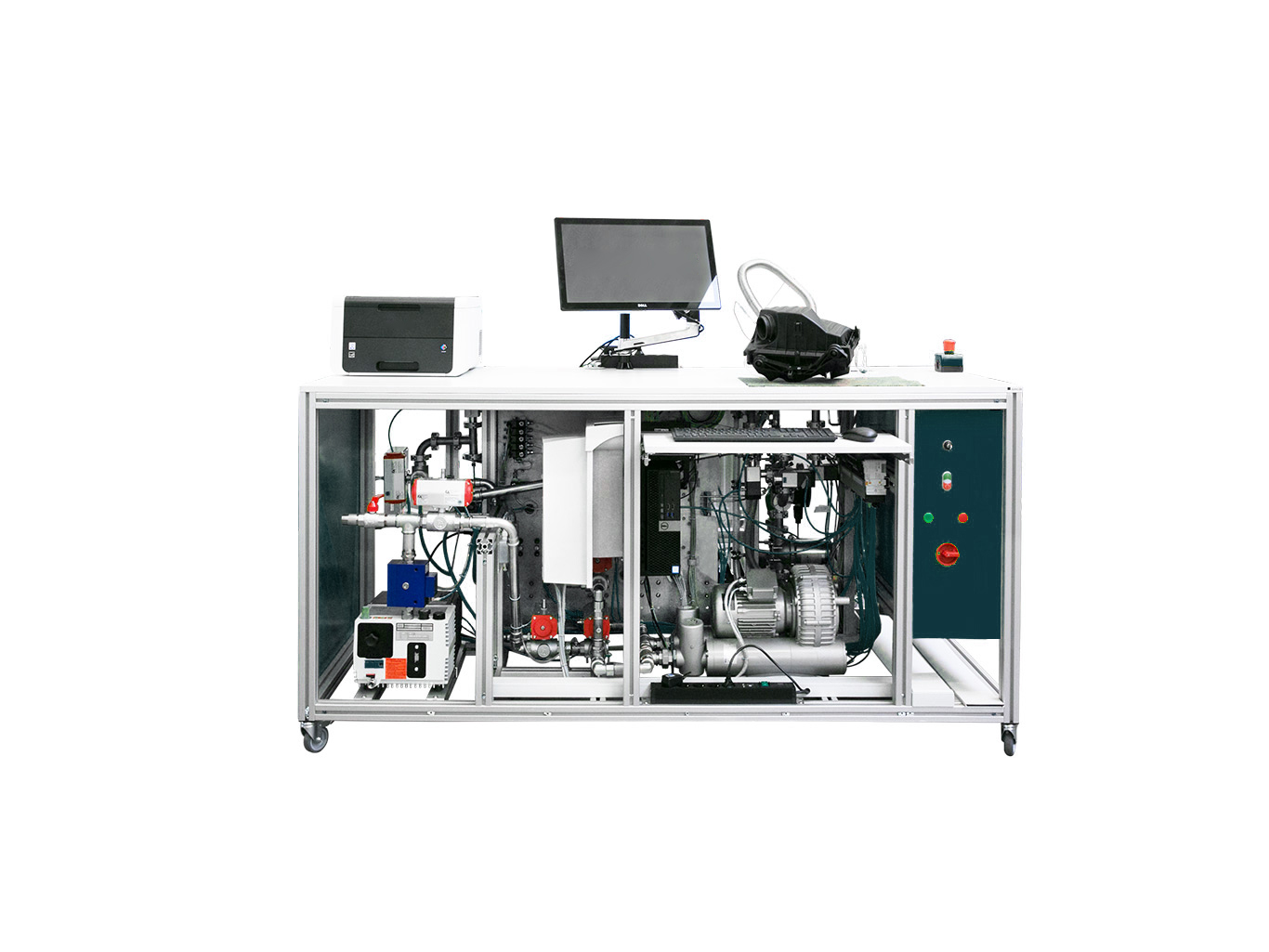
Test System for testing tightness and leackage for a high diversity of components and devices. With Leak Test Systems of series it is possible to test tightness against over and low-pressure of components of different dimensions and shapes. The leak rate is determined depending on pressure.
The test rig is working at test air temperatures from -40°C up to 120°C. A heat exchanger protects the measurement instrumentation against damages because of too low or high temperatures during low pressure operation. For external connection the test rig has a test air adapter, a pressure measurement port as well as a temperature sensor which have to be connected with the test sample. All connecting lines are 2 m long so that the sample can be in a climatic chamber during the test.
Applications
Tightness and leak testing of technical components and devices;
Sealing performance testing of automotive and engine system components;
Leakage detection of pipelines, valves, fittings, and pressure vessel assemblies;
Integrity verification of enclosure sealing for electronic, electrical, and electromechanical equipment;
Overpressure and vacuum testing of aerospace and rail transit components;
Sealing performance evaluation of medical devices and laboratory equipment;
Sealing tests under high- and low-temperature conditions in environmental test chambers;
Verification of sealing structure designs during new product development;
Sealing quality control in production lines and final inspection processes.
Standards
GB/T 4208 Degrees of Protection Provided by Enclosures (IP Code)
GB/T 10125 Corrosion Tests in Artificial Atmospheres – Salt Spray Tests
GB/T 15173 Sealing Test Methods for Electrical Equipment
GB/T 2423 (Series) Environmental Testing for Electric and Electronic Products
QC/T 413 Sealing Test Methods for Automotive Parts
JB/T 9092 Airtightness Test Methods for Industrial Products
ISO 20485 Non-destructive Testing – Leak Testing – General Methods
ASTM E283 Standard Test Method for Determining Rate of Air Leakage Through Exterior Windows, Curtain Walls, and Doors Under Specified Pressure Differences Across the Specimen
Technical data
| Parameter | Unit | Value |
|---|---|---|
| Test flow rate | L/min | 0.005 … 300 (during operation) |
| Test pressure | kPa | – (0.1 … 90); + (0.1 … 500) |
| Operating medium (gas/air) | – | Dry, particle-free compressed air |
| Compressed air supply | bar | max. 8 (max. 600 L/min) |
| Power supply | – | 230 VAC |
| Environmental condition, temperature | °C | -40 … 120 |
| Power consumption | W | approx. 500 |
| System dimensions (W × H × D) | mm | 2000 × 1100 × 900 |
| Weight | kg | approx. 280 |
Features
Test pressure is measured directly at test sample
Tests with over and low-pressure possible (pressure and suction mode)
Wide temperature range of applicable test air
By means of cascading of several laminar flow elements wide volume flow range
Compact design
Mobile – easy to move by lockable weels
Easy handling supported by computer-controlled test procedure
Accessories
(1) Test air adapter for external sample connection
(2) Pressure measurement port
(3) Temperature sensor for test air monitoring
(4) Connecting lines
(5) Computer-controlled test and data acquisition software
Test Procedures
Connect the test sample to the test air adapter, pressure port, and temperature sensor.
Place the test sample in ambient conditions or inside a climatic chamber if required.
Select overpressure or low-pressure test mode according to the test requirement.
Apply compressed air or vacuum to establish a stable pressure condition inside the sample.
Measure pressure, volume flow, and gas temperature continuously during the test.
Calculate the leak rate automatically based on flow behavior and pressure differences.
Record and evaluate the test results using the computer-controlled system.
Maintenance Information
Regularly inspect laminar flow elements to ensure accurate flow measurement.
Keep compressed air clean and dry to prevent contamination of measurement components.
Verify pressure and temperature sensors periodically for calibration accuracy.
Check seals, hoses, and connectors for wear or leakage before each test series.
Ensure proper functioning of the heat exchanger when operating at extreme temperatures.
Отправить запрос, связаться с поставщиком
Другие товары поставщика
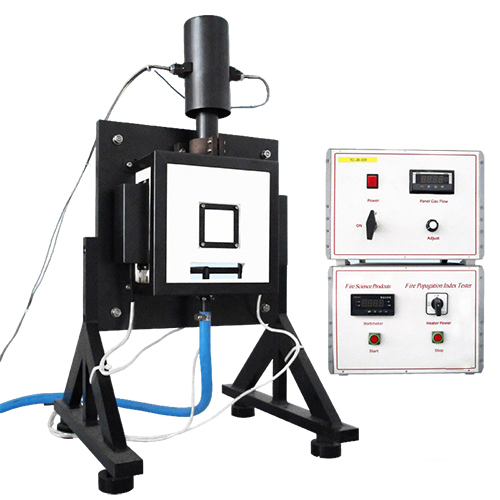 |
Advanced Flame Spread Index Test Equipment | Whats/App: +86 156 1874 6768 Web: standard-groups.com Standards This tester conforms to the following international and national standards: GB/... |
 |
High Reliability Aircraft Wire Testing Equipment Manufacturer | Get a quote: Whats/App: +86 156 1874 6768 Web: standard-groups.com Features (1) Accurate sand belt length counter for precise abrasion measurem... |
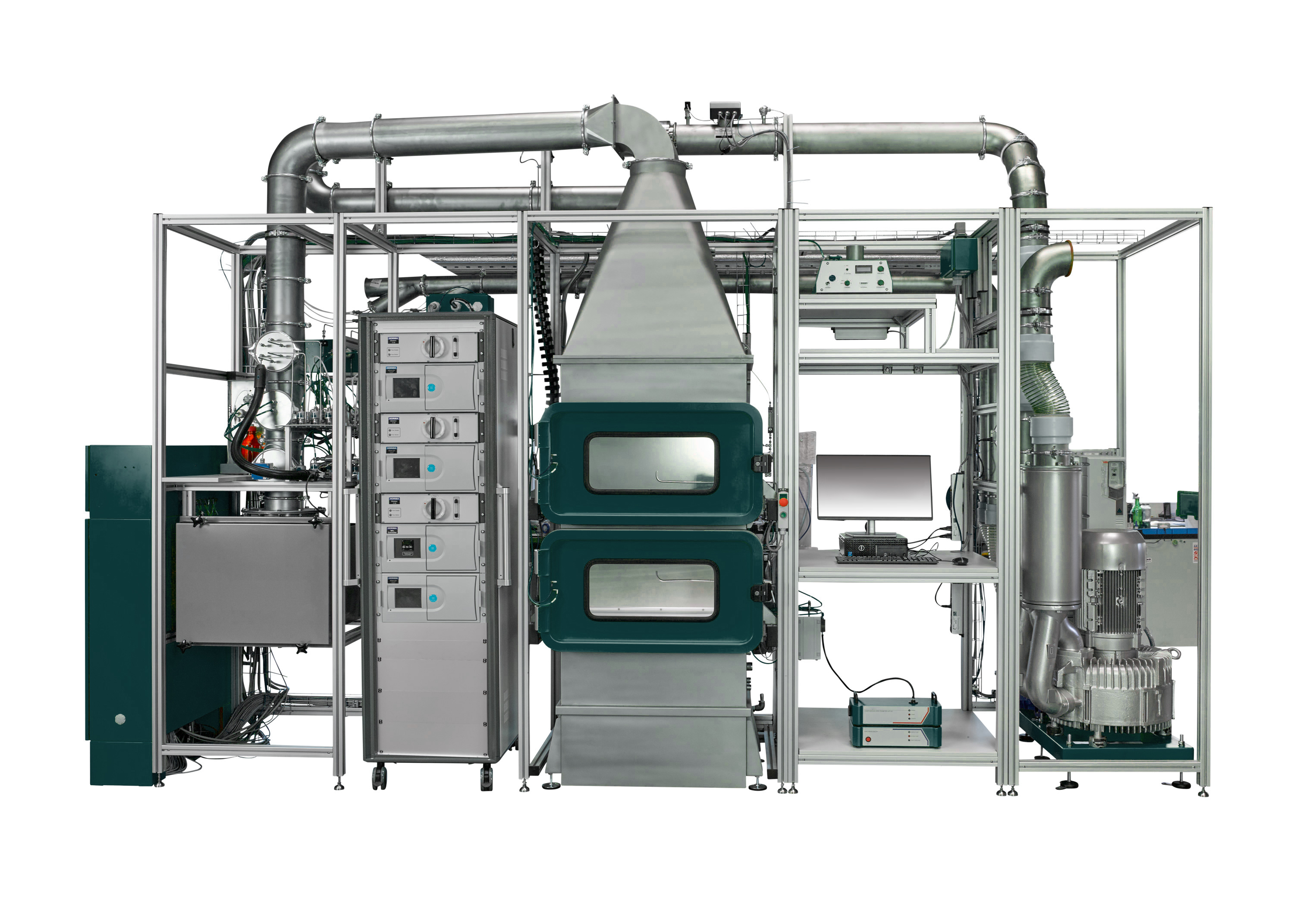 |
Fuel Cell Air Intake Filter Test System,DIN 71460 Filter Test System | Whats/App: +86 156 1874 6768 Web: standard-groups.com The Fuel Cell Air Intake Filter Test System is designed to evaluate air intake filters for ... |
 |
Full Face Thermal Radiation Resistance Test Machine | Whats/App: +86 156 1874 6768 Web: standard-groups.com Introduction Fireman fire-protective clothing is mainly composed of jacket and bibcompos... |
 |
Shoe Abrasion Tester | Whats/App: +86 156 1874 6768 Web: standard-groups.com TheShoe Abrasion Testeris designed to evaluate the wear resistance of shoe soles and sole p... |