

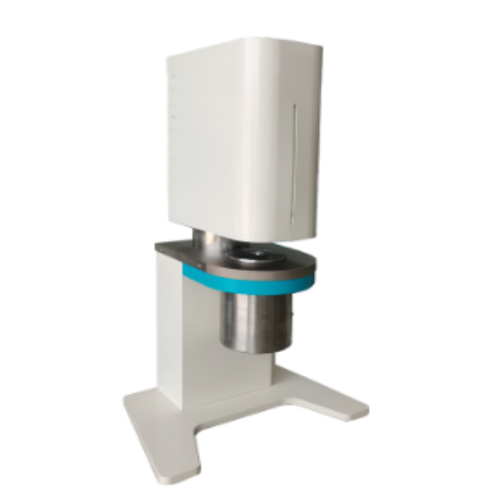
Computer-controlled Explosion-proof Capillary Rheometer, ISO 11443 automated explosion-proof capillary rheometer

Whats/App: +86 156 1874 6768
Web: standard-groups.com
The Computer-controlled Explosion-proof Capillary Rheometer is a laboratory rheological testing instrument used to determine the melt flow behavior and apparent viscosity of plastics and polymer materials under controlled temperature, pressure, and shear conditions. The system integrates servo-driven loading, precision capillary dies, uniform heating, and computer-based measurement and control, enabling stable, repeatable, and standard-compliant rheological characterization for thermoplastics and thermosetting materials.
Application
(1) Measurement of apparent viscosity and shear rate characteristics of thermoplastic materials under specified temperature and shear stress conditions.
(2) Rheological characterization of thermosetting polymer melts during controlled extrusion through capillary dies.
(3) Evaluation of melt flow behavior under constant pressure, constant speed, constant temperature, or variable heating rate conditions.
(4) Comparative analysis of polymer processing performance for extrusion, injection molding, and compounding processes.
(5) Research and development of new polymer formulations, additives, and modified materials.
(6) Quality control and batch consistency verification in polymer manufacturing.
(7) Rheological testing for academic research, industrial laboratories, and material certification institutions.
Standards
(1) HG/T 4300-2012 — Capillary Rheometer Test Method for Plastics
(2) ISO 11443 — Plastics — Determination of the Fluidity of Plastics Using Capillary and Slit-Die Rheometers
(3) ASTM D3835 — Standard Test Method for Determination of Rheological Properties of Thermoplastics Using a Capillary Rheometer
(4) DIN 54811 — Plastics — Determination of Flow Behavior Using Capillary Rheometers
(5) GB/T 21060 — Plastics — Determination of Melt Rheological Properties (Capillary Method)
Features
(1) Computer-controlled measurement and control system enabling automatic test parameter configuration and data acquisition.
(2) Single-column, single-indenter structure with explosion-proof design for safe operation.
(3) AC servo drive combined with precision ball screw transmission for accurate displacement and pressure control.
(4) Uniform barrel heating using integrated spiral heating wire to ensure temperature stability along the flow path.
(5) Supports constant pressure, constant speed, constant temperature, and variable heating rate test modes.
(6) Automatic generation of rheological curves with real-time display, storage, and printing functions.
(7) Modular and customizable design for temperature range, pressure capacity, indenter diameter, and die specifications.
(8) Intuitive software interface for parameter setting, test execution, and result analysis.
Parameters
| Item | Specification |
|---|---|
| Temperature range | Room temperature to 400 ℃ |
| Heating rate | 1–10 ℃/min, continuously adjustable |
| Temperature resolution | 0.1 ℃ |
| Pressure range | 1–50 MPa |
| Pressure accuracy | ±0.5 % FS |
| Pressure resolution | 0.1 MPa |
| Maximum driving force | 10 kN |
| Speed range | 0.01–500 mm/min |
| Deformation measurement accuracy | ±0.5 % FS |
| Standard plug head diameter | Φ12 mm |
| Plug head area | 113.04 mm² |
| Capillary die specifications | Ø1 × 5 mm, Ø1 × 10 mm, Ø1 × 20 mm, Ø1 × 40 mm |
| Capillary die material | Tungsten carbide |
| Power supply | AC 220 V, 50 Hz |
| Rated power | < 1000 W |
Accessories
(1) Standard tungsten carbide capillary die set
(2) Standard Φ12 mm plug head
(3) Temperature sensor and pressure sensor assembly
(4) Computer control and analysis software
(5) Data cable and power cable
(6) Operation manual and calibration documentation
Test Procedures
(1) Install the selected capillary die and plug head according to the test requirement.
(2) Power on the system and set the target temperature and heating rate.
(3) Load the polymer sample into the barrel and allow it to reach thermal equilibrium.
(4) Configure test mode (constant pressure, constant speed, or programmed shear rate).
(5) Start the test and monitor pressure, displacement, and temperature in real time.
(6) Allow the software to automatically record data and generate rheological curves.
(7) Save, print, or export test results after completion.
Maintenance Information
(1) Clean the barrel, plug head, and capillary dies immediately after testing to prevent material residue solidification.
(2) Regularly inspect heating elements and temperature sensors for accuracy and stability.
(3) Calibrate pressure and displacement sensors periodically according to laboratory requirements.
(4) Lubricate mechanical transmission components as specified in the maintenance manual.
(5) Keep the control system and software updated to ensure stable operation and data integrity.
(6) Store capillary dies and precision components in a clean, dry environment to prevent damage.
Отправить запрос, связаться с поставщиком
Другие товары поставщика
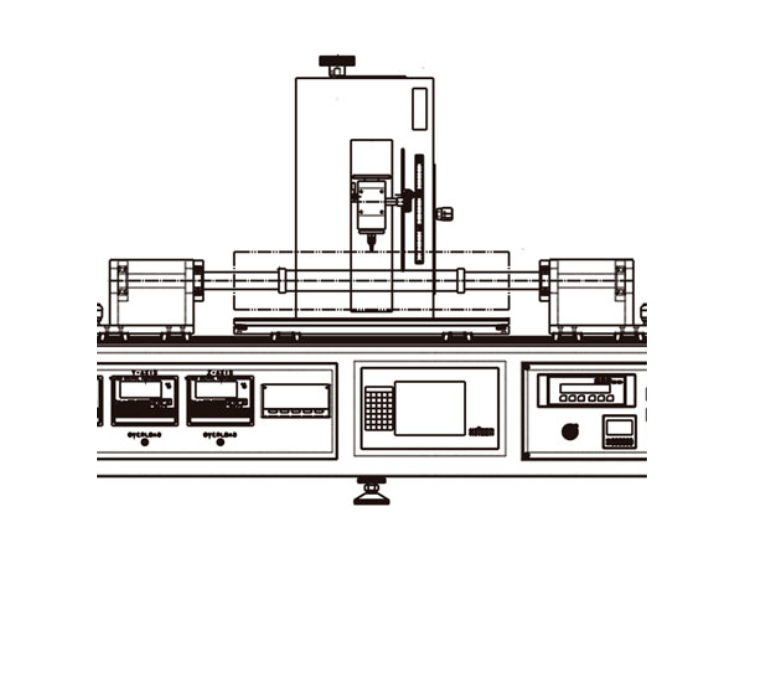 |
Drum and Reciprocating Friction and Wear Testing Machine | Whats/App: +86 156 1874 6768 Web: standard-groups.com The Drum and Reciprocating Friction and Wear Testing Machine is a dual-function tribologica... |
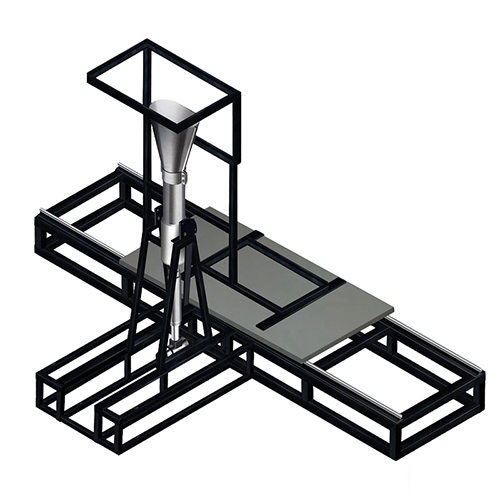 |
Thermal and Combustion Testing Equipment for Aircraft Liners | Whats/App: +86 156 1874 6768 Web: standard-groups.com Standards The system supports testing in accordance with the following international aeros... |
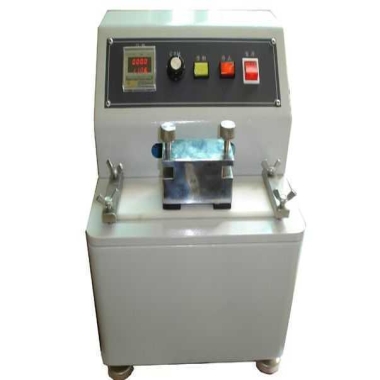 |
Ink printing durability test machine | Whats/App: +86 156 1874 6768 Web: standard-groups.com Product Usage: Printing ink Decolorization test machine, also known as abrasion tester, fr... |
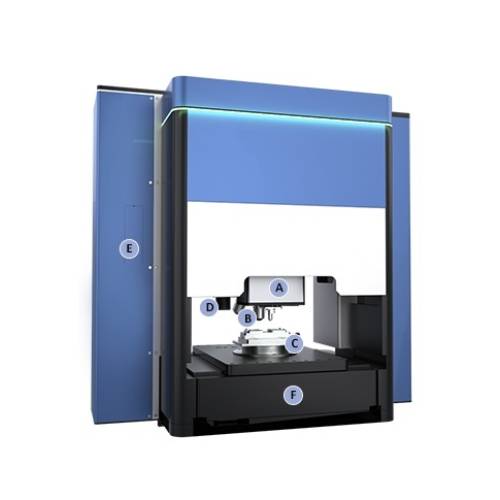 |
Research and Industrial Integrated Surface Testing System | Whats/App: +86 156 1874 6768 Web: standard-groups.com Standards (ISO 14577-5) Metallic materials — Instrumented indentation test for hardn... |
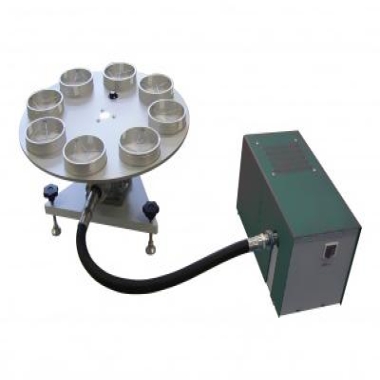 |
Shirley Moisture Permeability Tester | Whats/App: +86 156 1874 6768 Web: standard-groups.com Introduction Shirley moisture permeability tester is used to detect water vapor permeabi... |
Похожие товары
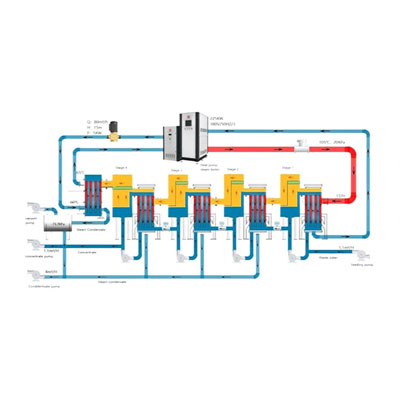 |
PanEVAP & MVR system | Продавец: Yangzhou Panstar Heat Exchanger Equipment Co., Ltd | A multiple-effect evaporator is a device that efficiently uses steam heat to evaporate water. Wat... |
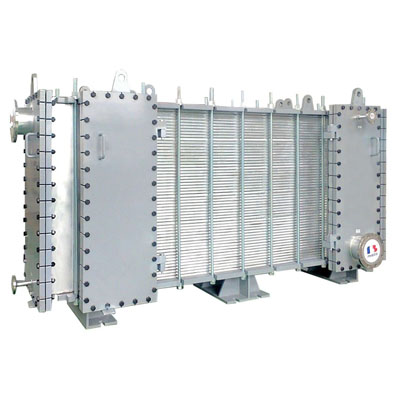 |
PanGAP wide gap welded plate heat exchanger | Продавец: Yangzhou Panstar Heat Exchanger Equipment Co., Ltd | PanGAP wide gap welded plate heat exchangerconsists of a welded plate pack with different channel... |
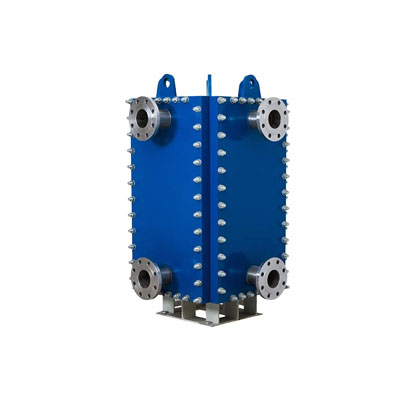 |
PanBloc welded plate heat exchanger | Продавец: Yangzhou Panstar Heat Exchanger Equipment Co., Ltd | PanBloc welded plate heat exchangeris compact and efficient, although fully welded, is totally ac... |
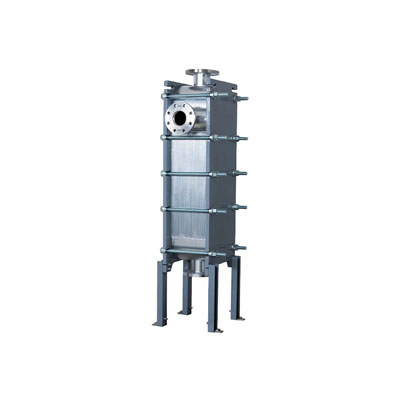 |
PanBox welded plate heat exchanger | Продавец: Yangzhou Panstar Heat Exchanger Equipment Co., Ltd | PanBox welded plate heat exchangerconsists of a laser welded plate pack with optimized corrugated... |
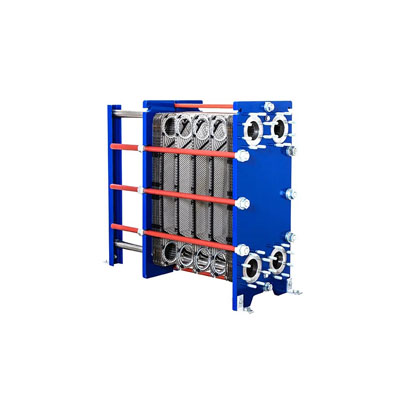 |
PanPHE gasketed plate heat exchangers | Продавец: Yangzhou Panstar Heat Exchanger Equipment Co., Ltd | PanPHE gasketed plate heat exchangersare designed with easy access for regular servicing and for ... |

