

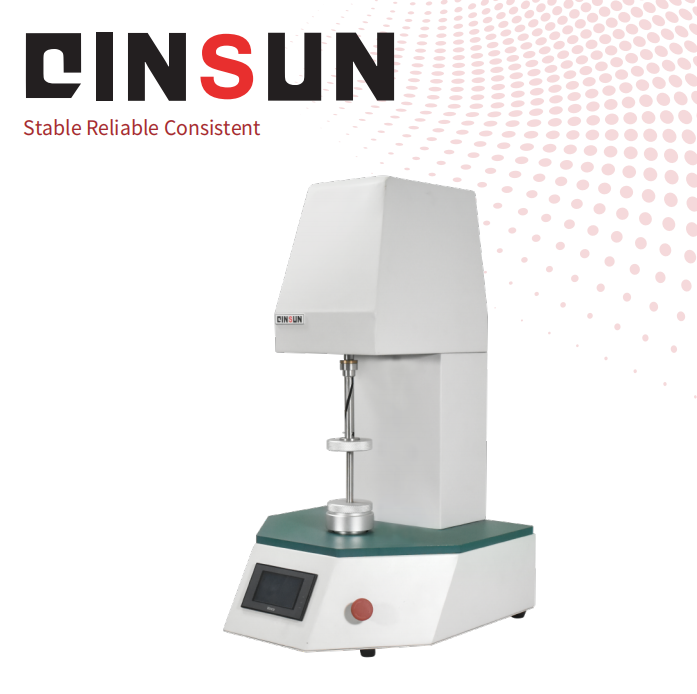
Automatic Wrinkle Recovery Tester

Get a quote:
Whats/App: +86 185 0176 3615
Web: qinsun-lab.com
The wrinkle recovery test instrument detects the recovery of the specimen after a certain period of time under a load. It is suitable for any fiber pure or blended fabric test. Besides, it can not maintain the shape of stable materials under the characteristics of the conditions, such as the material which is soft, thin and easy to bend. We can evaluate its anti-crease performance through this device.
Standards:
AATCC 128Wrinkle recovery of fabrics: Appearance method
ISO 9867Textiles - Evaluation of the wrinkle recovery of fabrics - Appearance method
ENKA 306International standard that specifies the methodology for evaluating thewrinkle recovery performanceof textiles, particularly for fabrics prone to deformation under pressure
ISO 9867Textiles - Evaluation of the wrinkle recovery of fabrics - Appearance method
ENKA 306International standard that specifies the methodology for evaluating thewrinkle recovery performanceof textiles, particularly for fabrics prone to deformation under pressure
Accessories:
(1)First ,use the pressure sample device, three samples are tested continuously. The interval is about 1min;
(2)Fold the sample face to face. Cloth edge clip with a clip, not more than 5mm;
(3)In some cases the sample surface will be stained together. We should use a piece of paper or aluminum foil whose size is 18x14mm. Be careful not to contact the sample by hand;
(4)Place the folded sample between the two briquettes and apply the weight immediately. Turn on the chronograph and wait 60 + 2 seconds. Prepare the next sample according to 2,3,4 steps.
(5)After 5 minutes, remove the first piece of weight quickly and easily. Transfer the folded sample with the clip to the sample rack of the measuring instrument;
(6)Remove the paper or aluminum foil. Place one side of the sample in the sample holder and the other side is the free hanging. After 60 +2 seconds, Put the second and third pieces of samples into the sample folder;
(7)Adjust the instrument so that the hanging end of the sample is consistent with the vertical mark of the instrument, within 5min should be constantly adjusted (so that the hanging end of the sample is consistent with the vertical mark of the instrument,) to avoid the impact of gravity;
(8)After 5 minutes, record the recovery angle of the sample. If the sagging side is slightly curled or twisted to pass through the vertical plane of the center of the droop and the axis of the dial as a reference for the crease return angle reading;
(9)Repeat the above steps, and then do three negative fold of the sample and the zonal frontal fold and the opposite fold (a total of 12).
(2)Fold the sample face to face. Cloth edge clip with a clip, not more than 5mm;
(3)In some cases the sample surface will be stained together. We should use a piece of paper or aluminum foil whose size is 18x14mm. Be careful not to contact the sample by hand;
(4)Place the folded sample between the two briquettes and apply the weight immediately. Turn on the chronograph and wait 60 + 2 seconds. Prepare the next sample according to 2,3,4 steps.
(5)After 5 minutes, remove the first piece of weight quickly and easily. Transfer the folded sample with the clip to the sample rack of the measuring instrument;
(6)Remove the paper or aluminum foil. Place one side of the sample in the sample holder and the other side is the free hanging. After 60 +2 seconds, Put the second and third pieces of samples into the sample folder;
(7)Adjust the instrument so that the hanging end of the sample is consistent with the vertical mark of the instrument, within 5min should be constantly adjusted (so that the hanging end of the sample is consistent with the vertical mark of the instrument,) to avoid the impact of gravity;
(8)After 5 minutes, record the recovery angle of the sample. If the sagging side is slightly curled or twisted to pass through the vertical plane of the center of the droop and the axis of the dial as a reference for the crease return angle reading;
(9)Repeat the above steps, and then do three negative fold of the sample and the zonal frontal fold and the opposite fold (a total of 12).
Technical Parameters
| Items | Parameters |
| Sample size | 15cm×28cm(6×11inch) |
| Weights | 2000g,1000g,500kg,200kg Accumulate |
| Dimensions | 150×150×330mm(L×W×H) |
| Weight | 9.5kg(21lb) |
Отправить запрос, связаться с поставщиком
Другие товары поставщика
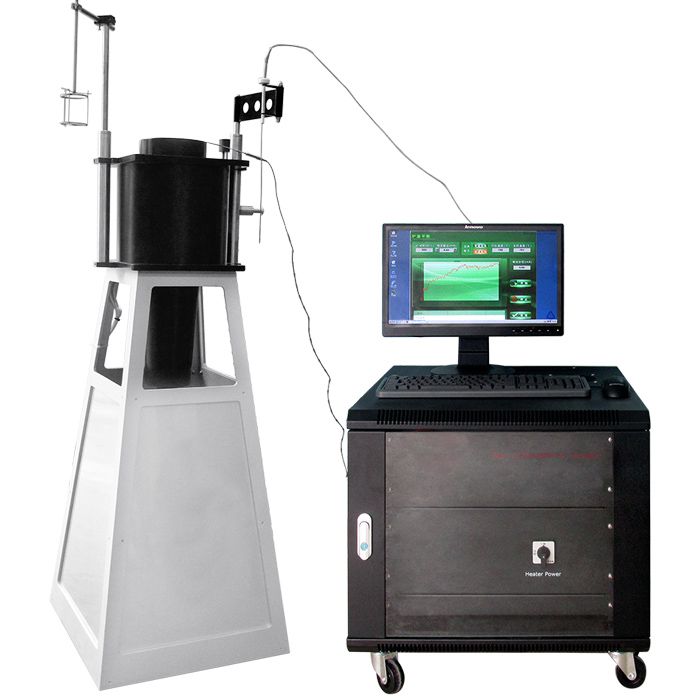 |
Non-Combustibility Test Machine ASTM E2652, En ISO 1182 | ASTM ISO Testing Machine | Get a quote: Whats/App: +86 185 0176 3615 Web: qinsun-lab.com The building materials non-combustibility test furnace is developed in accordance ... |
 |
Fan Energy Efficiency Testing Equipment | Get a quote: Whats/App: +86 185 0176 3615 Web: qinsun-lab.com TheFan Energy Efficiency Testing Equipmentis designed for precise measurement and ... |
 |
AATCC KMS-M6 Washer, KMS-M6D Dryer | Get a quote: Whats/App: +86 185 0176 3615 Web: qinsun-lab.com The AATCC KMS-M6 Washer and KMS-M6D Dryer are precision textile testing instrument... |
 |
Safety Helmets Wearing Stability Tester | Get a quote: Whats/App: +86 185 0176 3615 Web: qinsun-lab.com The Safety Helmets Wearing Stability Tester is designed to evaluate helmet retenti... |
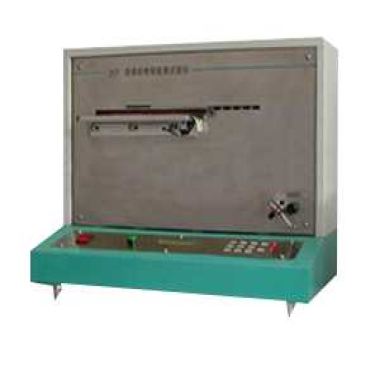 |
Cantilever Fabric Stiffness Tester | Get a quote: Whats/App: +86 185 0176 3615 Web: qinsun-lab.com Email: serving@qinsun-lab。com Standard ZB WO4003. GB/T18318. ASTM D 1388. IS0907... |
Похожие товары
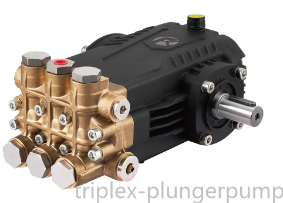 |
Choosing the Right Equipment for Heavy-Duty Cleaning | Продавец: Taizhou Feike Mechanical Technology Co., Ltd. | FEIKE’s High Pressure Washer is designed for industrial cleaning, equipment maintenance, ve... |
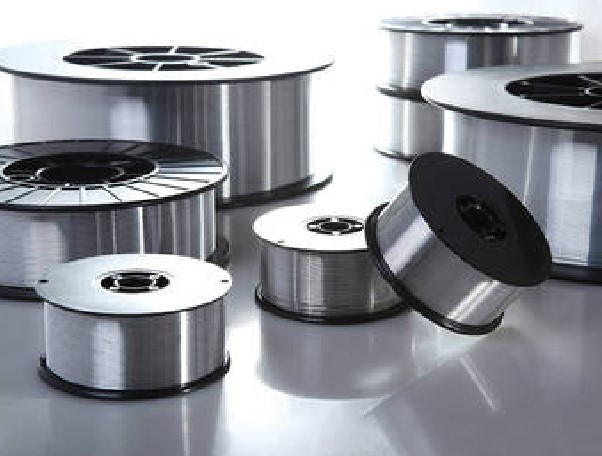 |
ER4043 Silicon Aluminum Welding Wire | Продавец: 868776 | Hangzhou Kunli Welding Materials Co., Ltd. offers ER4043 Silicon Aluminum Welding Wire for alumin... |
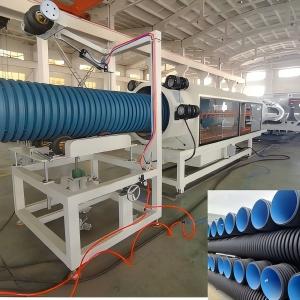 |
Высокоскоростная экструзионная линия для производства гофрированных труб с двойными стенками из ПЭВП с водяным охлаждением | Продавец: Shandong HUASU Plastic Technology Co.,Ltd. | Формы имеют структуру с двойным каналом потока и фильерную головку, обработанную азотированием и ... |
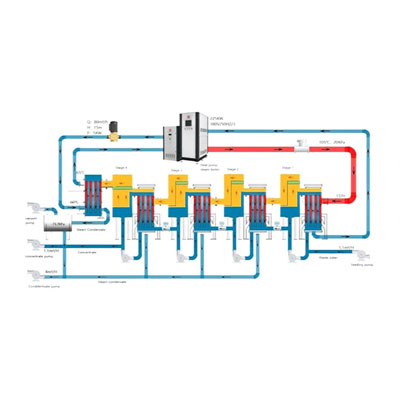 |
PanEVAP & MVR system | Продавец: Yangzhou Panstar Heat Exchanger Equipment Co., Ltd | A multiple-effect evaporator is a device that efficiently uses steam heat to evaporate water. Wat... |
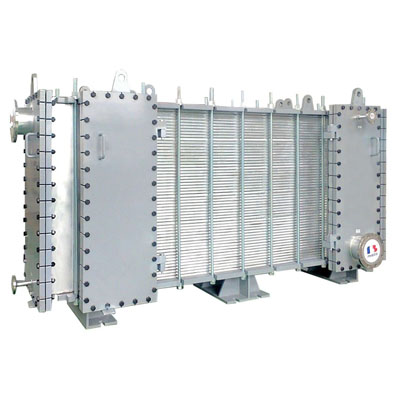 |
PanGAP wide gap welded plate heat exchanger | Продавец: Yangzhou Panstar Heat Exchanger Equipment Co., Ltd | PanGAP wide gap welded plate heat exchangerconsists of a welded plate pack with different channel... |

