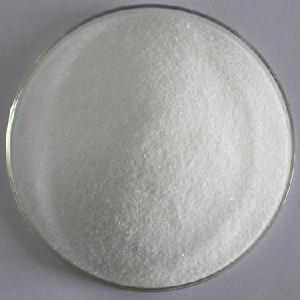
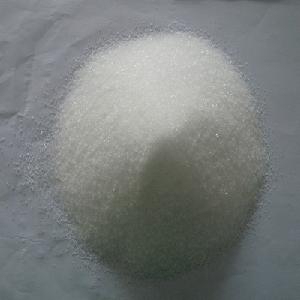
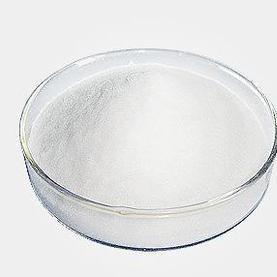
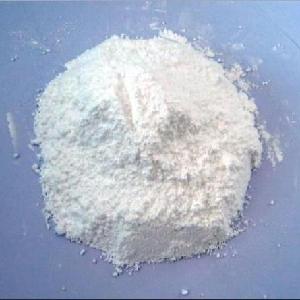
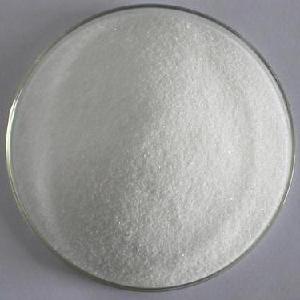
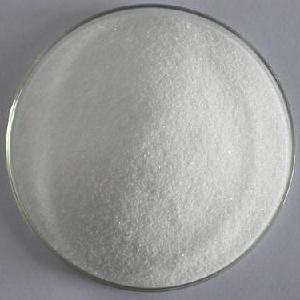
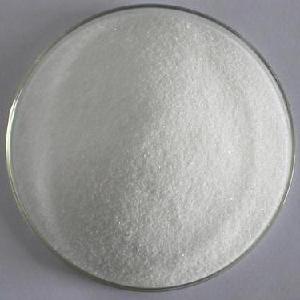
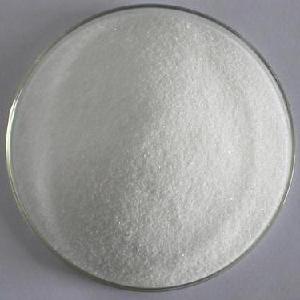
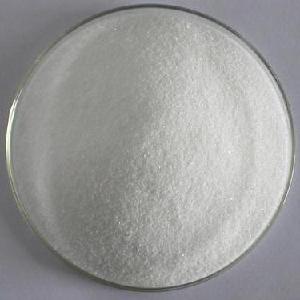
Glycine 56-40-6
The main physiological functions of Glycine
1. Synthesis of proteins
Glycine is one of the basic units that constitute the majority of proteins and is involved in the construction of tissues such as muscles, skin, and immune proteins.
2. Synthesis of important life substances
Synthesize glutathione (an important antioxidant in the body)
Synthesize creatine (provides energy for muscles)
Synthesize heme (forms hemoglobin)
Synthesize nucleic acids and collagen
3. Neurotransmitter function
Glycine is an inhibitory neurotransmitter in the central nervous system and participates in regulating movement, pain perception, and sleep.
4. Detoxification and metabolism
It can combine with harmful substances in the body to promote detoxification; participates in sugar metabolism and fat metabolism, and is an important source of one-carbon units.
Other supplier products
|
|
DL-Alanine Powder Supplier |
Ultraviolet (UV) light and intense visible light can accelerate the oxidation of DL-Alanine’s amino group (-NH₂), leading to the formation of... |
|
|
Inositol 87-89-8 |
Inositol, also known as myo-inositol, is a six‑hydroxy cyclohexane derivative, traditionally classified as vitamin B8. It is a water‑soluble, vitam... |
|
|
Bulk supply L-Cysteine hydrochloride monohydrate |
Special Considerations for Different Grades1. Food/G pharmaceutical GradeCompliance with Regulations: Store in facilities that meet food safety sta... |
|
|
Transport method of Inositol |
Transport Method of Inositol 1. Basic transport properties Inositol is a stable, non-toxic, non-flammable and non-explosive white crystalline powde... |
|
|
L-Cysteine hydrochloride monohydrate Supply Price |
Hygroscopic Properties of L-Cysteine hydrochloride monohydrateL-Cysteine hydrochloride monohydrate readily forms hydrates or dissolves in absorbed ... |
All supplier products
Same products
|
|
Glycine Powder Exporter |
Seller: Shanghai Yifu Food Ingredients Co., Ltd |
Glycine is a non-essential amino acid naturally present in the human body and is also a substance... |
|
|
Glycine Purchase price |
Seller: Shanghai Yifu Food Ingredients Co., Ltd |
Glycine is an endogenous amino acid in the human body and a fundamental component of proteins. It... |
|
|
Glycine Partners,long-termCooperation |
Seller: Shanghai Yifu Food Ingredients Co., Ltd |
Glycine is a food-grade amino acid approved by the state. Due to its high safety, sweet taste, an... |
|
|
Glycine Marke quotation |
Seller: Shanghai Yifu Food Ingredients Co., Ltd |
Glycine has three reaction centers: amino group, carboxyl group, and methylene group. It has typi... |
|
|
Glycine Supply price |
Seller: Shanghai Yifu Food Ingredients Co., Ltd |
Physical properties of glycine1. Appearance and OdorAt room temperature, it is a white crystallin... |