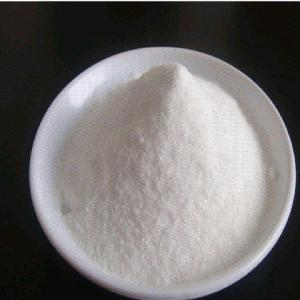
Glycine
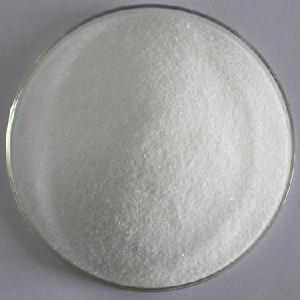
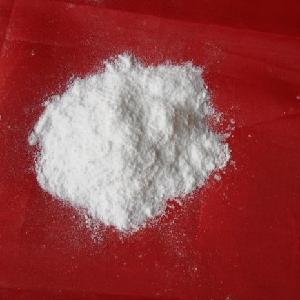
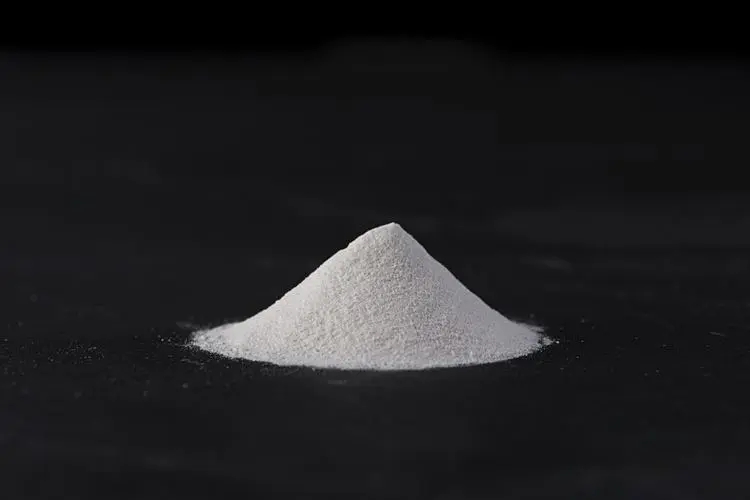
The main physiological functions of Glycine
1. Synthesis of proteins
Glycine is one of the basic units that constitute the majority of proteins and is involved in the construction of tissues such as muscles, skin, and immune proteins.
2. Synthesis of important life substances
Synthesize glutathione (an important antioxidant in the body)
Synthesize creatine (provides energy for muscles)
Synthesize heme (forms hemoglobin)
Synthesize nucleic acids and collagen
3. Neurotransmitter function
Glycine is an inhibitory neurotransmitter in the central nervous system and participates in regulating movement, pain perception, and sleep.
4. Detoxification and metabolism
It can combine with harmful substances in the body to promote detoxification; participates in sugar metabolism and fat metabolism, and is an important source of one-carbon units.
Other supplier products
|
|
L-Phenylalanine |
L-Phenylalanine is an essential amino acid with significant biological functions and various applications. Here is a detailed account:
Basic Inform... |
|
|
L-Methionine |
Key Notes on Sources of L-Methionine Bioavailability: L-methionine from animal sources is more bioavailable than plant sources due to the absence o... |
|
|
L-leucine |
Functions in the Human BodyProtein Synthesis: It is a crucial component for building proteins. It combines with other amino acids through peptide b... |
|
|
L-proline |
The physiological functions and applications of L-proline1. Functions within living organismsCollagen synthesis: As the main component of collagen ... |
|
|
Sucralose Purchase price |
Sucralose, as a high-sweetness, calorie-free, and highly stable artificial sweetener, enjoys wide application in various fields such as food, bever... |
供应产品
Same products