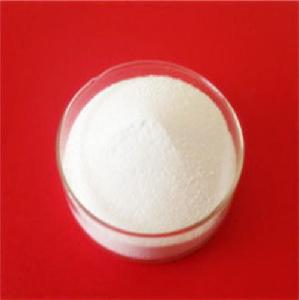
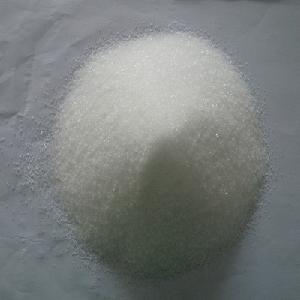
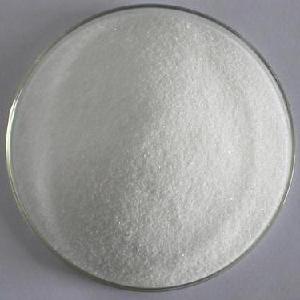
Glycine

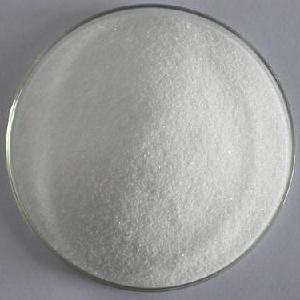
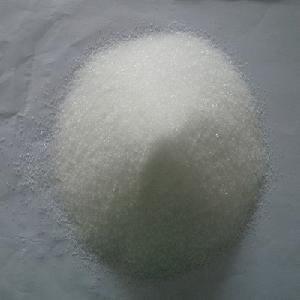
Glycine is an endogenous amino acid in the human body and a fundamental component of proteins. It is extremely safe and is internationally recognized as a safe food additive. It has been widely used in the food industry for a long time.
In terms of toxicology and safety evaluation, glycine has extremely low acute toxicity and is classified as a practically non-toxic substance. There is no risk of carcinogenesis, teratogenesis, or mutagenesis. The Joint Expert Committee on Food Additives of the Food and Agriculture Organization of the United Nations and the World Health Organization (JECFA), the US FDA, the European Food Safety Authority (EFSA), and China's GB 2760 food safety national standard all list glycine as a permitted food additive without setting a daily allowable intake (ADI). This is the highest level of recognition for its safety.
From the perspective of metabolic pathways, after entering the human body, glycine can directly participate in normal physiological metabolism such as protein synthesis, glutathione synthesis, and creatine synthesis, and ultimately decomposes into carbon dioxide, water, and urea to be excreted from the body. It does not accumulate in the body and does not produce toxic metabolites. Normal dietary and food additive levels of glycine have no burden on the liver and kidneys, and are also safe for sensitive groups such as children, pregnant women, and the elderly.
In practical usage scenarios, the addition amount of glycine is usually very low, mainly exerting functions such as enhancing flavor, seasoning, inhibiting bacteria, and buffering, far below the dose that may cause physiological burden. Normal consumption of seasonings, meat products, beverages, aquatic products, etc. containing glycine will not cause allergic, irritating, or gastrointestinal discomfort reactions, nor will it have harmful reactions with other food components.
Unlike artificial synthetic preservatives and flavor enhancers, glycine has no irritation, no residual odor, and no potential safety controversies. It can be used in various food systems other than infant foods and is in line with the development trend of green, healthy, and clean labels.
As a food additive, glycine has extremely high safety, a long history of use, and extremely low risks. Under the premise of complying with national standards and regulations, it will not have any adverse effects on human health. It is one of the safest and most reliable additives in the food industry.
Other supplier products
|
|
DL-Alanine |
DL-Alanine has a subtle sweet taste (about 60% of the sweetness of sucrose) and the ability to enhance umami (savory) flavors—a key advantage... |
|
|
High quality |
Beyond natural occurrence, L-tryptophan is sometimes added to fortified foods and functional products to enhance nutritional value or provide speci... |
|
|
Chemical |
L-Methionine plays a pivotal role in maintaining liver function and preventing lipid accumulation: It promotes fatty acid oxidation: By supporting ... |
|
|
L-Methionine in Pharmaceutical and Medical Applications |
In pharmaceuticals, L-Methionine is used for therapeutic purposes and as a pharmaceutical excipient, leveraging its metabolic and antioxidant prope... |
|
|
DL-Alanine Powder |
Under proper storage conditions, the typical shelf life of DL-Alanine is2–3 yearsfrom the production date (as indicated on the product label)... |
供应产品
Same products
|
|
Glycine |
卖方: Shanghai Yifu Food Ingredients Co., Ltd |
Glycine is a non-essential amino acid naturally present in the human body and is also a substance... |
|
|
Glycine |
卖方: Shanghai Yifu Food Ingredients Co., Ltd |
Glycine is an endogenous amino acid in the human body and a fundamental component of proteins. It... |
|
|
Glycine |
卖方: Shanghai Yifu Food Ingredients Co., Ltd |
Glycine is a food-grade amino acid approved by the state. Due to its high safety, sweet taste, an... |
|
|
Glycine |
卖方: Shanghai Yifu Food Ingredients Co., Ltd |
Glycine has three reaction centers: amino group, carboxyl group, and methylene group. It has typi... |
|
|
Glycine Supply price |
卖方: Shanghai Yifu Food Ingredients Co., Ltd |
Physical properties of glycine1. Appearance and OdorAt room temperature, it is a white crystallin... |