Phospholipid supplier

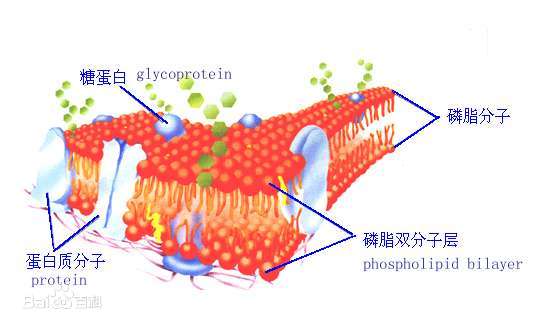
Phospholipids are a class of lipids that are essential components of cell membranes and have various applications in food, pharmaceuticals, and other industries. These phospholipids are typically derived from natural sources. Here are some common raw material sources of phospholipids: Soybeans: Soy lecithin is one of the most widely used sources of phospholipids. Soy lecithin is obtained from soybean oil through a process of extraction and purification. It contains phosphatidylcholine, phosphatidylethanolamine, phosphatidylinositol, and other phospholipids. Sunflower Seeds: Sunflower lecithin is an alternative to soy lecithin and is derived from sunflower seeds. It is often used in products catering to individuals with soy allergies or those seeking non-GMO (genetically modified organism) options. Egg Yolks: Egg yolks are a natural source of phospholipids, primarily phosphatidylcholine. Egg lecithin, derived from egg yolks, has been used in various food and pharmaceutical applications. Rapeseed (Canola): Rapeseed, which is also known as canola, is another source of lecithin. Canola lecithin contains phospholipids similar to those found in soy lecithin. Krill Oil: Phospholipids are present in high concentrations in krill oil. Krill lecithin, derived from tiny crustaceans called krill, contains phosphatidylcholine and other phospholipids. Fish Roe: Fish roe, particularly from certain fish species, contains phospholipids. The roe of fish like herring and mackerel can be a source of phospholipids. Animal Organs and Tissues: Animal organs, such as liver, brain, and heart, contain phospholipids. Phospholipids obtained from animal sources may have specific applications in pharmaceutical formulations. Algae: Certain microalgae are being explored as a sustainable source of phospholipids, particularly for use in omega-3 supplements. Algal phospholipids can contain phosphatidylcholine and other valuable components. Oats: Oats contain a small amount of phospholipids, primarily phosphatidylcholine. Extracts from oats may be used for specific applications in the food and cosmetic industries. Peanuts: Peanuts contain phospholipids, and peanut lecithin can be derived from peanut oil. However, peanut lecithin is not as commonly used as soy or sunflower lecithin. The choice of raw material depends on factors such as the desired composition of the phospholipids, potential allergens, dietary preferences, and sustainability considerations. For example, soy lecithin is widely used but may be avoided in products catering to individuals with soy allergies or those seeking non-GMO options. Additionally, the extraction and purification methods play a role in determining the quality and purity of the phospholipids obtained from these sources.
Other supplier products
|
|
Phosphatidylserine Powder |
Phosphatidylserine powder can play a variety of effects, it can help us relieve pressure, although now the living standard has been improved to a c... |
|
|
Bulk supply |
The melting point of phospholipids can vary based on the length and saturation of the fatty acid chains in their hydrophobic tails. Longer and more... |
|
|
Phospholipid Raw Material |
How structure enables membrane function: In aqueous environments (e.g., the cytoplasm inside cells or the extracellular fluid outside cells), phosp... |
|
|
Phosphatidylserine |
Phosphatidylserine is a kind of phosphatidylserine. Pure phosphatidylserine powder is a white waxy solid, which can be dissolved in most non-polar ... |
|
|
Phospholipid Powder |
The functional influence of phospholipid powder on the final product Emulsification and Texture: Ensure phospholipids effectively stabilize emulsio... |
供应产品
Same products