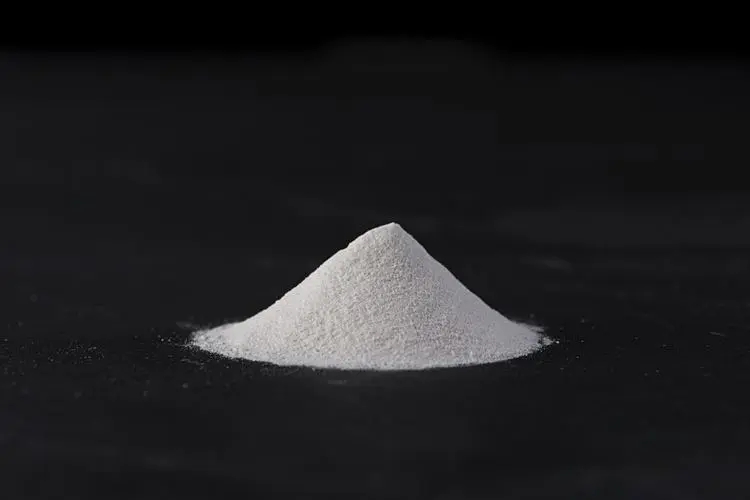
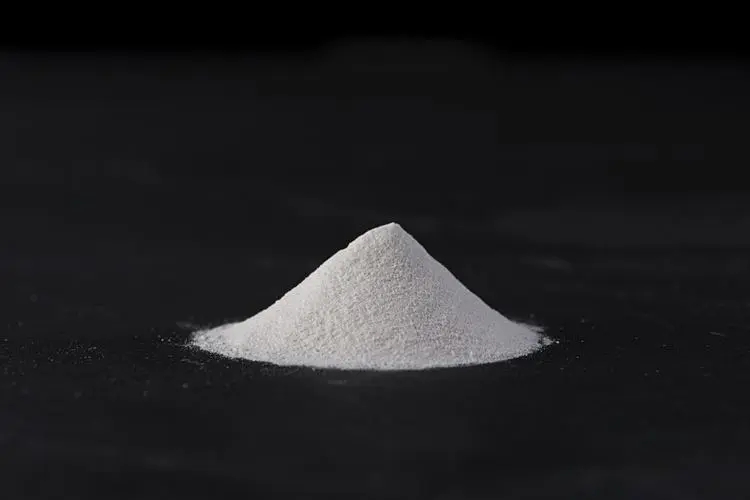
DL-Alanine
DL-Alanine is recognized asGenerally Recognized as Safe (GRAS)by major regulatory bodies (e.g., FDA in the U.S., EFSA in the EU, and CFSA in China). Its maximum allowable addition level varies by food category (e.g., 0.5% in seasonings, 1% in sports drinks), but it is considered safe when used within recommended limits.
DL-Alanine’s role in the food industry is multifaceted—from enhancing flavor and nutrition to improving texture and shelf life. Its cost-effectiveness (compared to pure L-Alanine) further makes it a preferred additive for large-scale food production.
Other supplier products
|
|
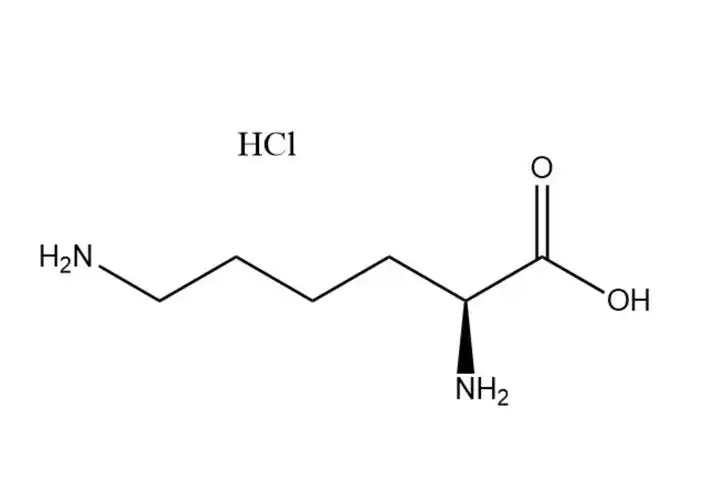
L-Lysine monohydrochloride |
L-Lysine monohydrochloridehas a higher aqueous solubility than free L-lysine: ~70 g/100 mL at 25 °C (vs. ~63 g/100 mL for free L-lysine), with ... |
|
|
L-Threonine |
While not a primary preservative, L-threonine can: Improve the stability of proteins and enzymes in processed foods, reducing degradation. Act as a... |
|
|
DL-Methionine |
DL-Methionine, chemically namedDL-2-amino-4-(methylthio)butanoic acid, is a racemic mixture composed of equimolar amounts of L-methionine and D-met... |
|
|
L-leucine |
L - leucine has several notable performance characteristics related to its physical and chemical properties, as well as its role in biological syst... |
|
|
L-leucine |
L-leucine is an essential amino acid, which means it cannot be synthesized by the human body and must be obtained through diet. Dietary Sources Ani... |
供应产品
Same products