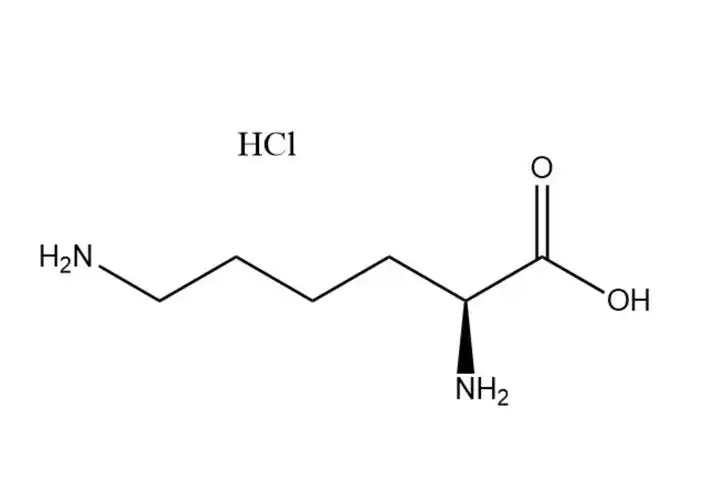
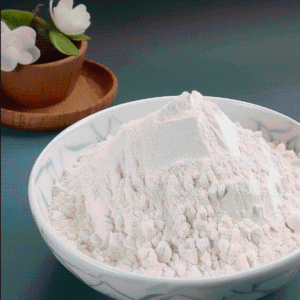
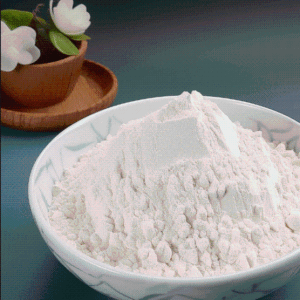
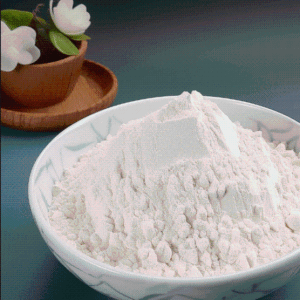
L-Lysine monohydrochloride
L-Lysine monohydrochloridehas a higher aqueous solubility than free L-lysine: ~70 g/100 mL at 25 °C (vs. ~63 g/100 mL for free L-lysine), with solubility increasing significantly with temperature (up to 110 g/100 mL at 60 °C). Its dissolution is rapid, endothermic, and free of precipitation in dilute to high-concentration aqueous solutions (up to 60% w/v). This advantage makes it ideal for:
- Liquid formulations (e.g., oral nutritional supplements, animal drinking water additives, pharmaceutical syrups) where high solubility and clear solutions are required.
- Industrial production processes (e.g., fermentation downstream purification, formulation blending) that demand fast dissolution and uniform dispersion in aqueous systems.
In contrast, free L-lysine has lower solubility and may form supersaturated solutions that precipitate during storage, leading to formulation instability.
Other supplier products
|
|
DL-methionine |
The methylthio group is the most distinctive functional group in DL-methionine and can participate in substitution and addition reactions. Alkylati... |
|
|
Raw Material |
Acid-Base Behavior of L-tryptophan
L-tryptophan is an amphoteric compound, capable of acting as both an acid (via carboxyl group) and a base (via a... |
|
|
DL-methionine |
The carboxyl group in DL-methionine can undergo esterification, amidation, and decarboxylation reactions under specific conditions.Esterification r... |
|
|
DL-Methionine |
Optical Activity of DL-MethionineAs a racemic mixture, DL-methionine isoptically inactive, with a specific optical rotation of[α]_D^25=0°... |
|
|
The biological activity of inositol |
Biological Activities of Inositol 1. Regulate lipid metabolism and protect the liver Inositol promotes fat transportation and decomposition, inhibi... |
供应产品
Same products