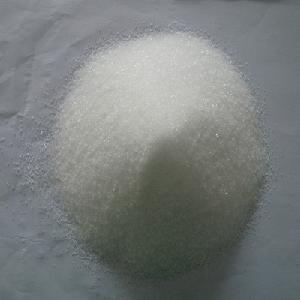
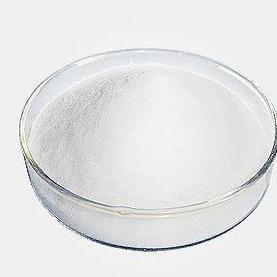
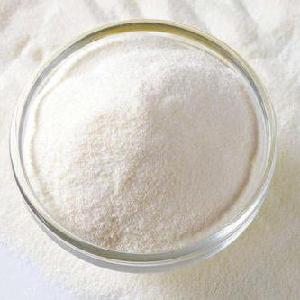
DL-Alanine
DL-Alanine is thermally stable under normal conditions but is sensitive to prolonged high temperatures, which may cause partial decomposition (e.g., amino group oxidation) or color changes (from white to yellowish).
- Recommended temperature range: 15–25°C (room temperature). Avoid exposure to temperatures above 30°C for extended periods (e.g., direct sunlight, near heating vents, or in hot warehouses).
- Freezing resistance: Short-term freezing (e.g., -10 to 0°C) does not damage DL-Alanine, but repeated freeze-thaw cycles may cause moisture condensation (leading to caking) once thawed. Thus, freezing is not recommended unless necessary, and thawed material should be used promptly.
Other supplier products
|
|
DL-Alanine Powder |
The original commercial packaging of DL-Alanine is designed for its stability:
Unopened products: Keep in the original sealed bag/bucket (usually... |
|
|
The Quality Grade of Inositol |
Inositol is classified into four mainstream quality grades according to purity, impurity control, production specifications and applicable fields, ... |
|
|
Purchase price |
As an amphoteric compound, L-threonine can buffer pH changes in acidic or alkaline food systems: Used in beverages (e.g., sports drinks, fruit juic... |
|
|
DL-methionine powder |
DL-Methionine is used in the food industry as a nutritional fortifier and processing aid, with applications focused on improving the nutritional qu... |
|
|
L-Tyrosine |
Potential Benefits ·Improves mental clarity and cognitive performance. ·Enhances stress resilience and energy levels. ·Support... |
供应产品
Same products