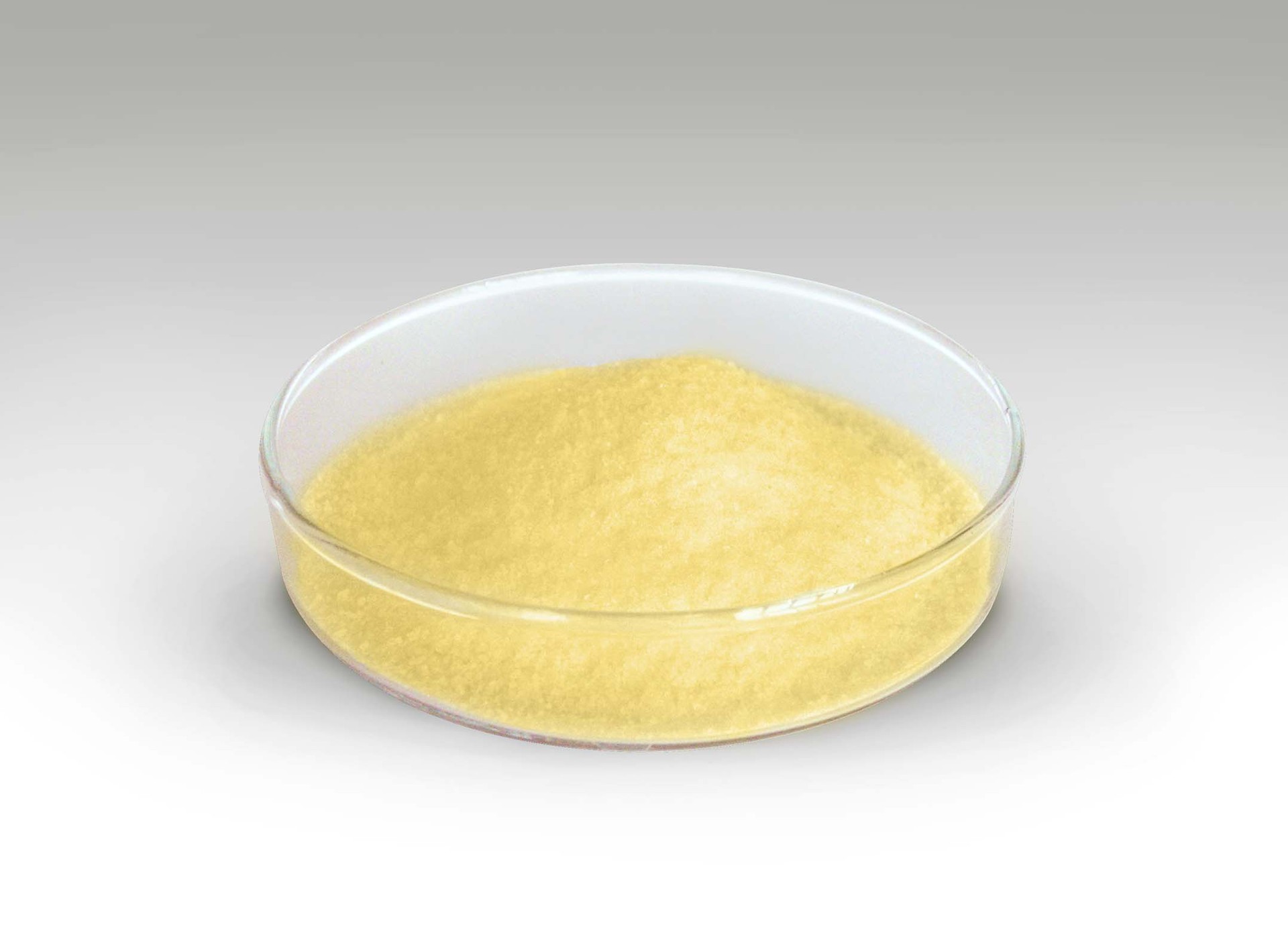
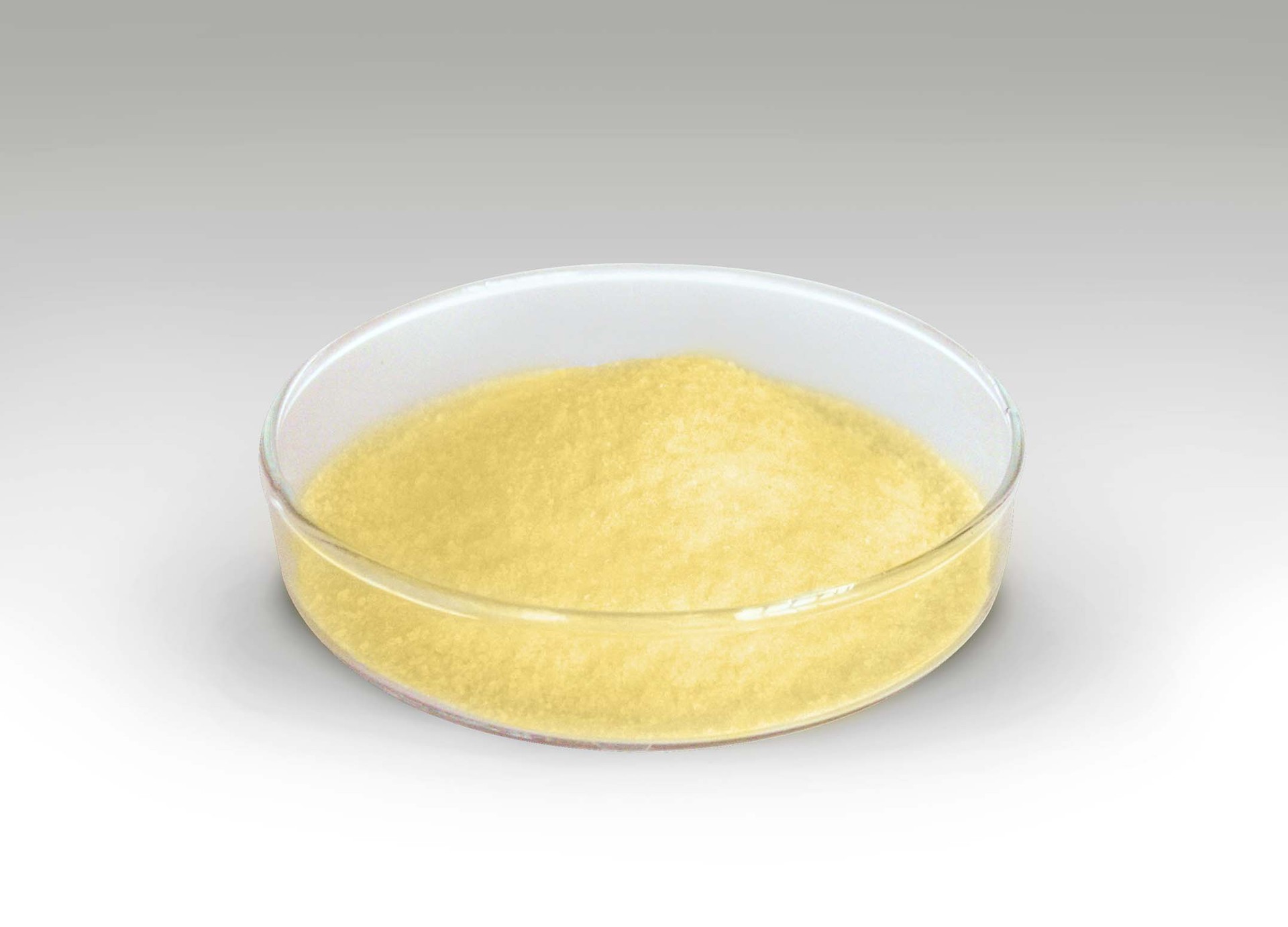
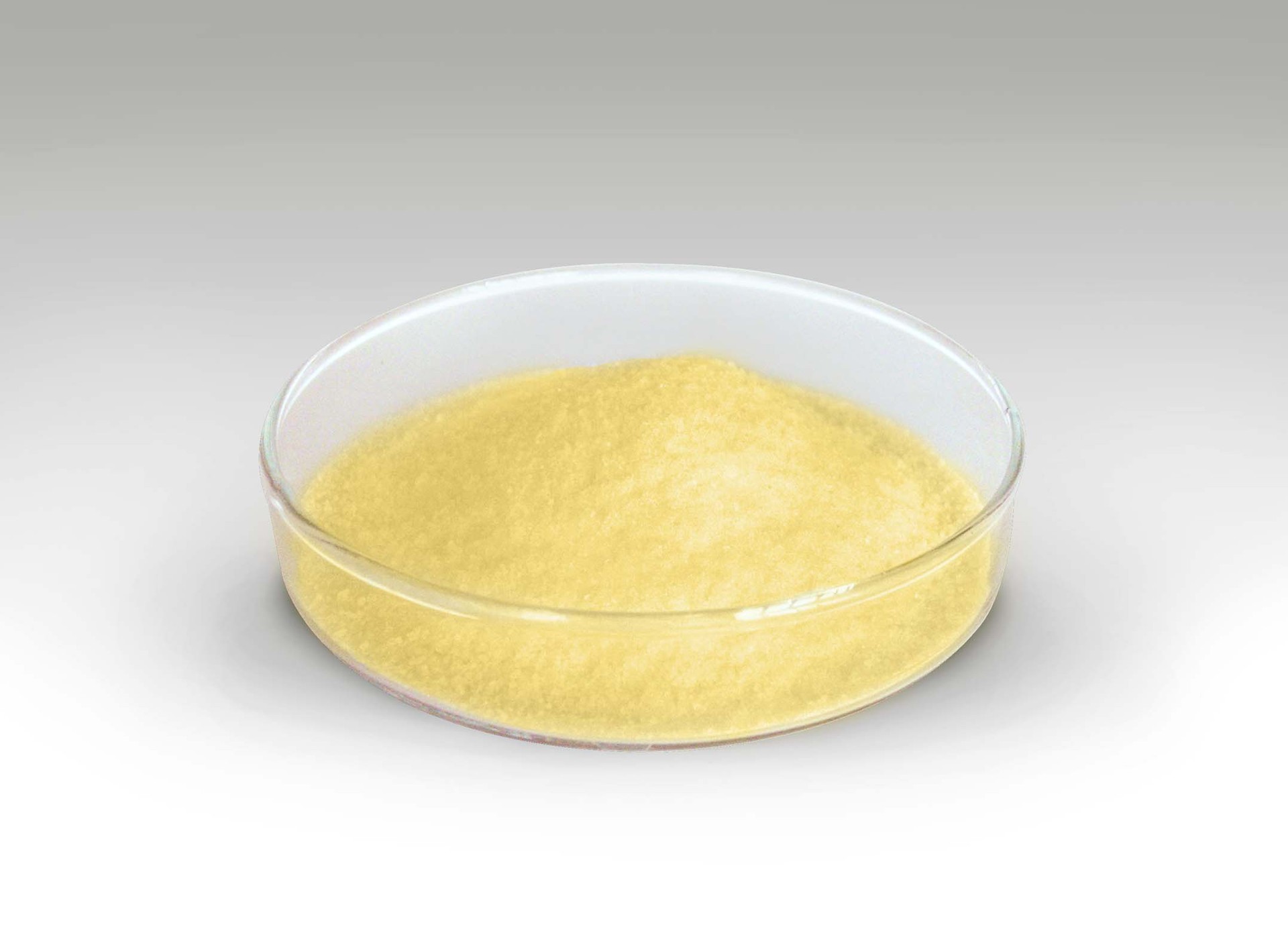
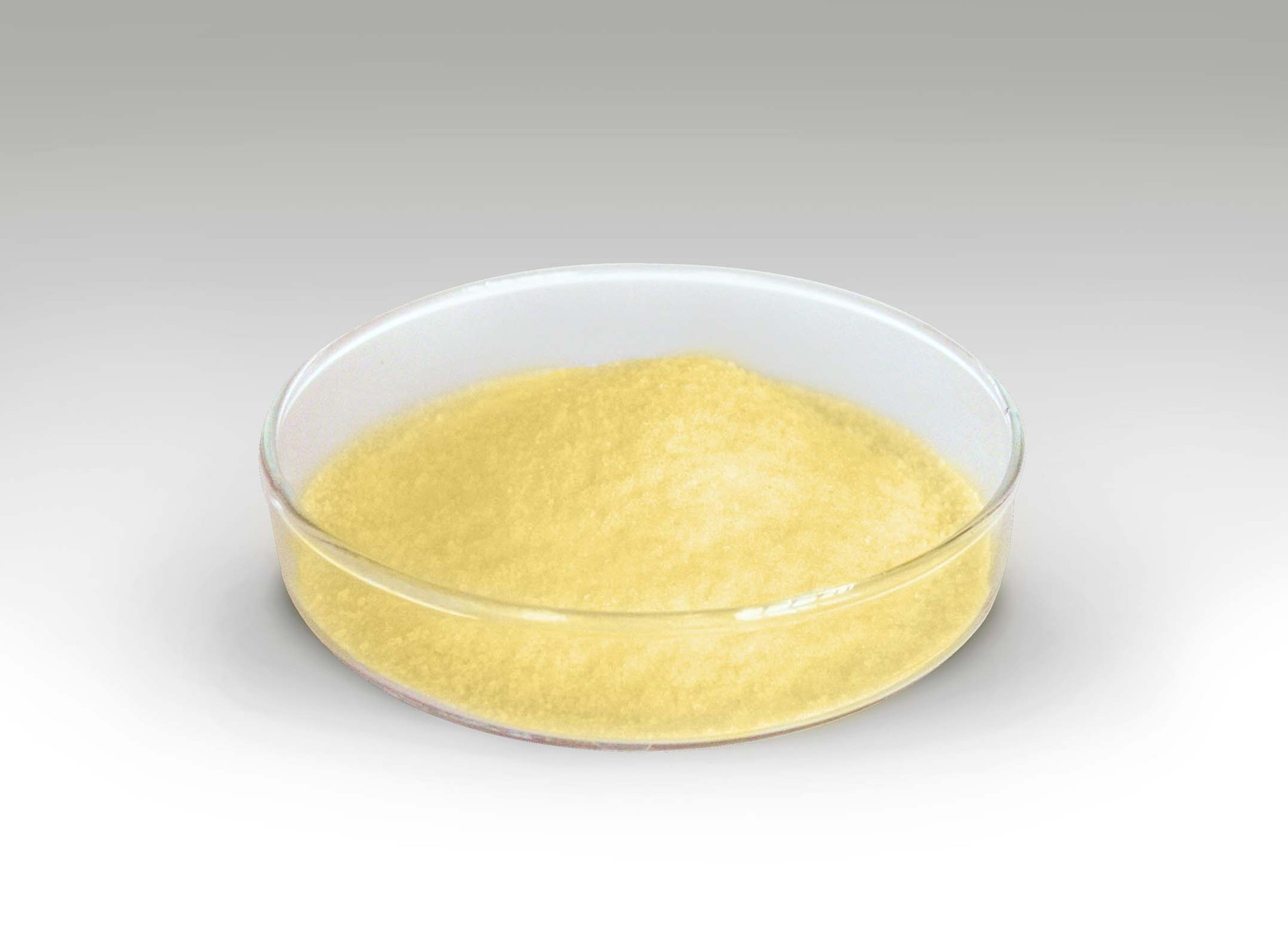
Phospholipid Raw Material
The structure of phospholipids—defined by their amphiphilic nature (dual hydrophilic "head" and hydrophobic "tail" regions) and structural variability (e.g., head group type, fatty acid tail length/saturation)—is directly and inherently linked to their biological and industrial functions. Every structural feature of phospholipids is tailored to enable specific roles, from forming cell membranes to emulsifying oil and water. Phospholipid tails vary in two key ways: length (14–24 carbon atoms) and saturation (presence/absence of double bonds). These variations directly control membrane fluidity—a critical property for cell function (e.g., nutrient transport, enzyme activity, cell division).
Other supplier products
|
|
Phospholipid Raw Material |
Phospholipids modify the structure of starches and proteins in baked goods and cereals, enhancing texture, volume, and shelf life. Mechanisms &... |
|
|
Phospholipid Selling Price |
The solubility of phospholipids is influenced by various factors. Here are some key factors affecting phospholipid solubility: 1.Fatty acid chain l... |
|
|
Phospholipid |
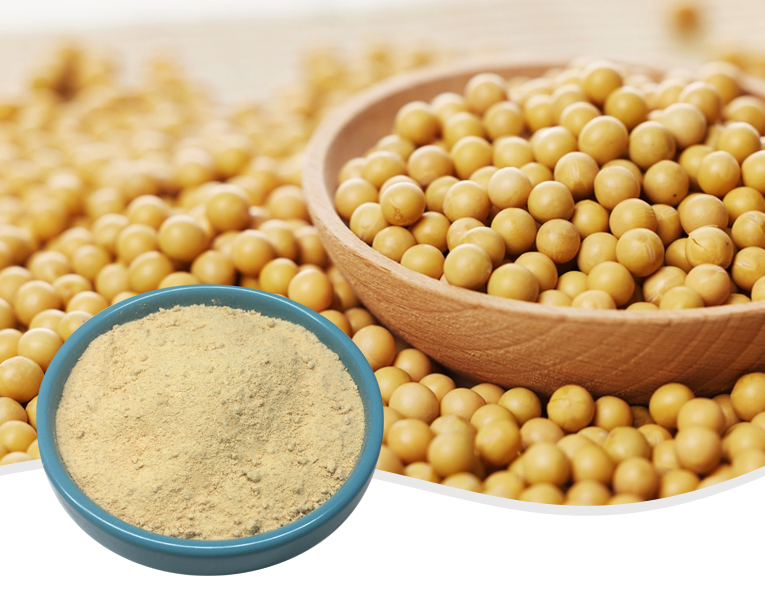
Soybean phospholipid is a white to light brown solid powder or light yellow to brown viscous liquid, derived from soybean oil foot, soybean phospho... |
|
|
Phospholipid powder |
Typical Applications of phospholipids: Chocolate & Confectionery: Chocolate is an oil-in-water emulsion (cocoa butter = oil; sugar/cocoa solids... |
|
|
Phospholipid Raw Material |
The most critical role of phospholipids in food is as an emulsifier—a substance that enables two immiscible liquids (oil and water) to form a... |
供应产品
Same products