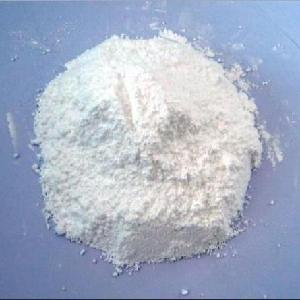
Sucralose
Sucralose is widely used in processed foods such as beverages, chewing gum, dairy products, dried fruits, jelly puddings, bread, pastries, cookies, ice cream and jams.
Sucralose, as a synthetic sweetener, activates the T1R2/T1R3 sweet taste receptors on intestinal endocrine cells, triggering the secretion of glucagon-like peptide-1 (GLP-1) and glucose-dependent insulinotropic polypeptide (GLP).
Sucralose is a new sweetener approved for use in China. It is permitted for use in pickles, compound seasonings, blended wines, beverages, ice cream, popsicles, pastries, fruit canned goods, biscuits and bread, with a maximum usage of 2.5g/kg; in candied fruits and modified chewing gum, the maximum usage is 1.5g/kg; and it can also be used as a table-top sweetener, with a maximum usage of 0.05g per package or piece.
Other supplier products
|
|
L-proline |
L-proline, to ensure its stable quality and performance, certain conditions need to be met during storage. The following is a detailed introduction... |
|
|
L-proline |
Metabolism and Safety of L-prolineMetabolic pathway: Mainly metabolized in the liver and kidneys, it is converted into glutamate hemialdehyde throu... |
|
|
L-Cysteine hydrochloride monohydrate |
Chemical Structure and PropertiesMolecular FormulaChemical Formula:C3H7NO2S· HCl· H2O Molecular Weight: Approximately 175.64 g/molStr... |
|
|
L-Tyrosine |
Potential Benefits ·Improves mental clarity and cognitive performance. ·Enhances stress resilience and energy levels. ·Support... |
|
|
L-Cysteine hydrochloride monohydrate |
1. Storage Environment Dehumidifiers: Use in storage areas to maintain RH below 60%. In tropical or humid climates, this is essential. Climate-Cont... |
供应产品
Same products