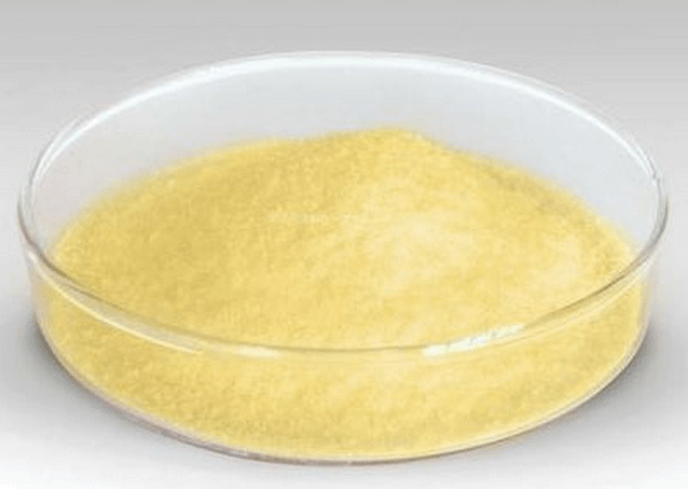
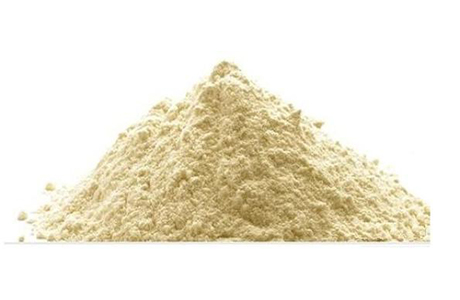
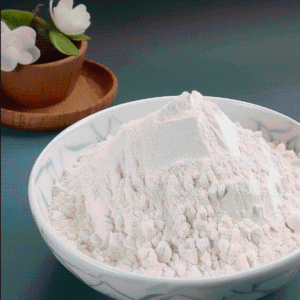
Phospholipid Powder
Dosage and Functional Compatibility of Phospholipid Powder
Optimal Concentration: Adjust the addition amount based on the specific food matrix and desired function (e.g., emulsification, texture improvement):
Excessive use may cause off-flavors, texture changes, or instability (e.g., excessive viscosity in liquids).
Common dosage ranges: 0.1–5% by weight, depending on the application (e.g., 1–3% in baked goods, 0.5–2% in chocolate).
Compatibility with Other Ingredients:
Avoid mixing with strong acids or bases, which can degrade phospholipids (e.g., in highly acidic beverages, phospholipids may lose emulsifying power).
Ensure compatibility with heat, salts, or proteins (e.g., in dairy products, phospholipids should not interfere with protein coagulation during processing).
Other supplier products
|
|
Phospholipids |
Phospholipids are a class of complex molecules with both hydrophobic (water-repelling) and hydrophilic (water-attracting) regions.Their unique stru... |
|
|
Phosphatidylserine |
Phosphatidylserine is a ubiquitous phosphatidylserine, which is mainly found in the inner layer of cell membranes. It is one of the components of c... |
|
|
Phospholipid Powder |
Phospholipids, a class of amphiphilic lipids containing phosphate groups, play versatile roles in the food industry due to their unique structural ... |
|
|
Phospholipid Selling Price |
The solubility of phospholipids is influenced by various factors. Here are some key factors affecting phospholipid solubility: 1.Fatty acid chain l... |
|
|
Phosphatidyl serine |
Phosphatidyl serine, also known as complex neural acid, is phosphatidyl serine, abbreviated as PS. Phosphatidyl serine is a membrane phospholipid e... |
供应产品
Same products