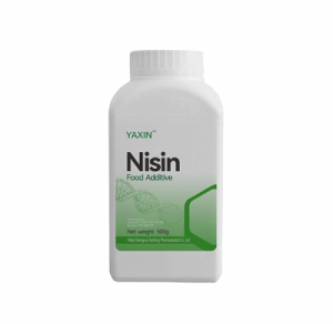
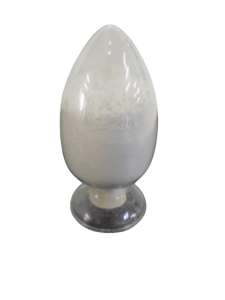
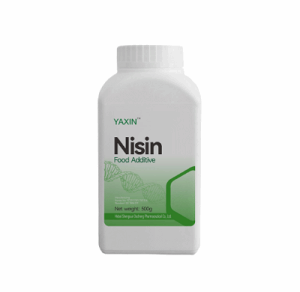
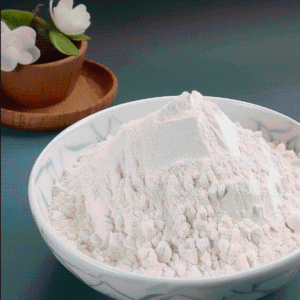
Nisin 500G Market quotation
In recent years, global consumers have increasingly preferred "clean label" foods—products with simple, natural ingredient lists and no artificial additives. Nisin’s natural origin (derived from fermentation) and recognition as a "natural preservative" make it a perfect fit for this trend: It replaces synthetic preservatives (e.g., sodium benzoate, potassium sorbate) that are often viewed negatively by consumers due to concerns about "artificiality". Using nisin allows manufacturers to label products as "preserved with natural ingredients" or "no artificial preservatives", enhancing consumer trust and market competitiveness. Unlike some natural preservatives that require high usage levels (which may affect taste) or have strong inherent flavors (e.g., some herbal extracts), nisin is tasteless and odorless at effective concentrations, ensuring it does not compromise the sensory experience of the final product—another key factor for consumer acceptance.
Other supplier products
|
|
Nisin Powder |
Key Recommendations for pH - Related StorageDry Storage: Keep nisin powder in a dry, sealed container to prevent moisture - induced pH changes.Solu... |
|
|
ε- Polylysine hydrochloride |
Product name: ε-polylysine hydrochloride Chemical formula: [C6H12N2O?HCl]n?H2On=25~35 Molecular weight: 4130~5776 Molecular structure: &eps... |
|
|
Nisin |
Nisin is a naturally occurring antimicrobial peptide produced by certain strains of lactic acid bacteria, primarily Lactococcus lactis.It is common... |
|
|
Heat Resistance of Nisin |
Heat Resistance of Nisin Nisin possesses excellent heat stability, a critical advantage for high-temperature processed foods. It retains over 80% ... |
|
|
Nisin |
Nisin’s stability is significantly affected by interactions with food components, which alter its free concentration and ability to reach bac... |
供应产品
Same products