

Phospholipids as wall materials

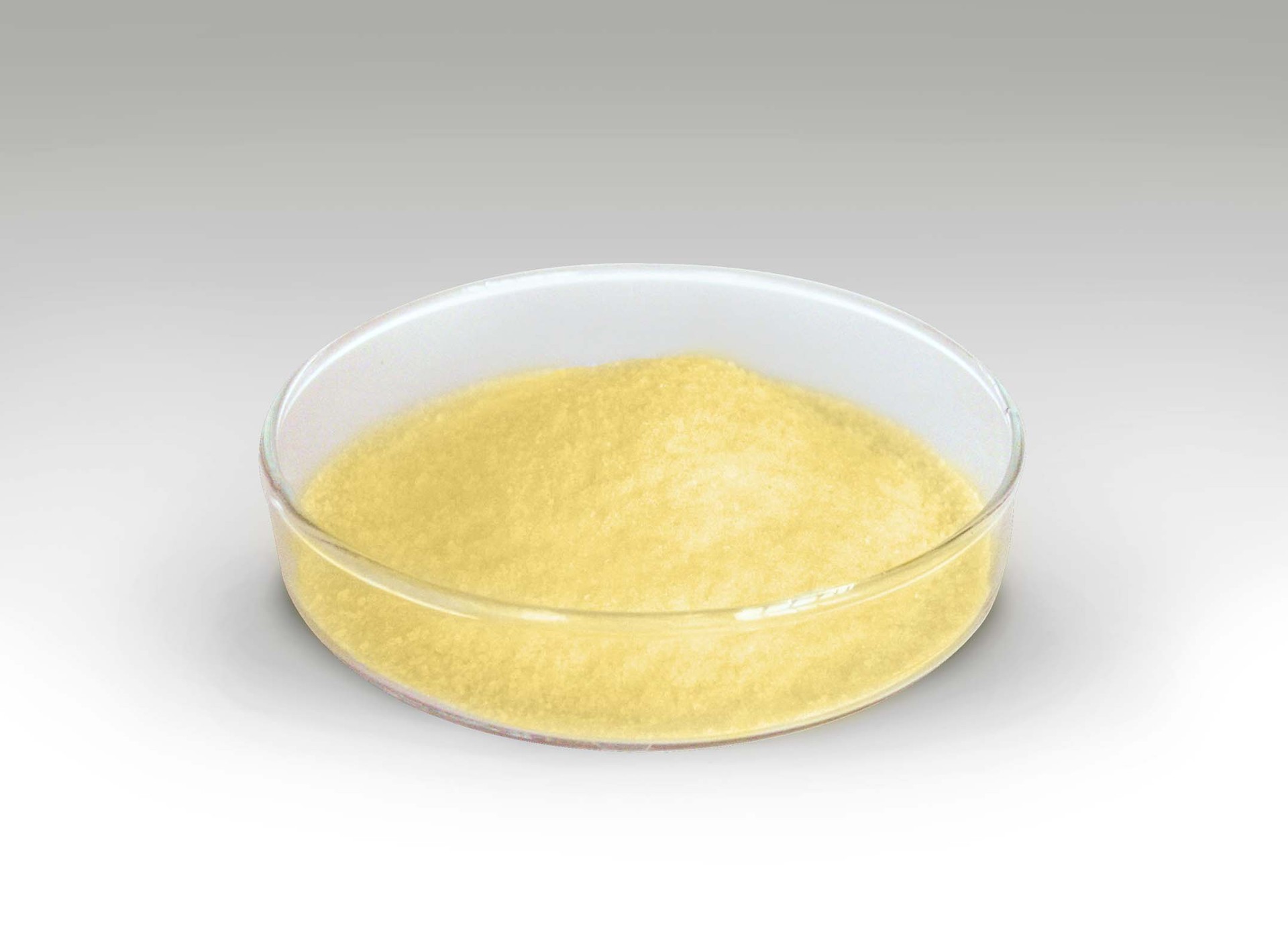
Due to their amphiphilic nature, phospholipids are used as wall materials in microencapsulation technologies to protect sensitive ingredients and improve their stability and bioavailability:
Flavor and Fragrance Encapsulation: Encapsulate volatile flavors (e.g., essential oils, natural fragrances) in food products such as beverages, candies, and baked goods, preventing evaporation and degradation, and ensuring controlled release during consumption.
Nutrient Delivery: Microencapsulate sensitive nutrients (e.g., probiotics, omega-3 fatty acids, vitamins) to protect them from harsh processing conditions (heat, acid) and improve their absorption in the gastrointestinal tract. For example, phospholipid-based microcapsules in probiotic yogurt ensure probiotic survival through stomach acid.
Send product request
Other supplier products
 |
High pressure jet micro pulverizing system | A high-pressure jet micro-pulverizing system, also known as a jet mill, is a type of equipment used for the micronization or fine grinding of vario... |
 |
Phospholipids as natural amphiphilic lipids | Phospholipids, as natural amphiphilic lipids with unique structural and functional properties (combining hydrophilic phosphate groups and hydrophob... |
 |
phospholipids enhance the technical performance | Beyond physiological benefits, phospholipids enhance the technical performance of functional foods, ensuring product quality and consumer acceptanc... |
 |
Phospholipid Powder Supplier | Dosage and Functional Compatibility of Phospholipid PowderOptimal Concentration: Adjust the addition amount based on the specific food matrix and d... |
 |
Wholesale phospholipids Powder | Certain phospholipids (e.g., those rich in polyunsaturated fatty acids) exhibit mild antioxidant activity, while their emulsifying properties indir... |
Same products
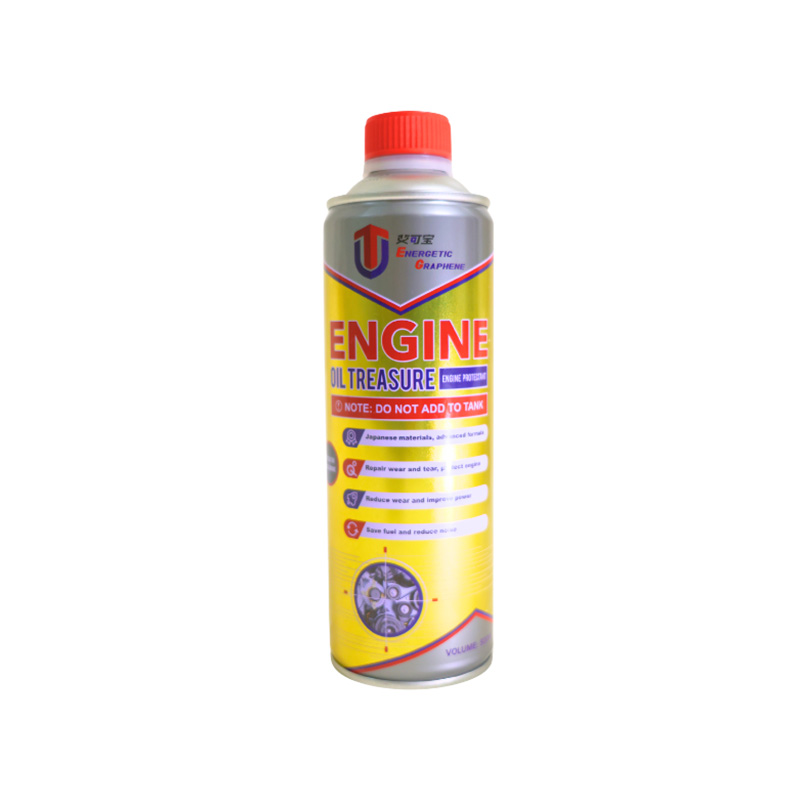 |
Deboom Energetic Graphene Oil Additive | Seller: Shanghai Aikebao New Material Technology Co., Ltd | Asgraphene oil additive manufacturerspecializing in automotive solutions, we understand the criti... |
 |
High quality N‑Acetyl‑L‑Tryptophan Powder | Seller: 846340 | Basic Information of N‑Acetyl‑L‑Tryptophan 1. Core Identity Chemical Name: N‑α‑Acetyl‑L‑try... |
 |
N‑Acetyl‑L‑Tryptophan Powder Price | Seller: 846340 | Key Points for Storing N‑Acetyl‑L‑Tryptophan (NAT) Short, practical storage rules focusing on moi... |
 |
N-Acetyl-L-Tryptophan Powder Marke quotation | Seller: 846340 | Precautions for the Use of N‑Acetyl‑L‑Tryptophan (NAT) Below is a clear, practical summary of pre... |
 |
Wholesale N-Acetyl-L-Tryptophan Powder | Seller: 846340 | N‑Acetyl‑L‑Tryptophan as Key Advantages for Food Applications High stability: Withstands processi... |

