Safety Considerations in Practical Applications of Nisin
Dosage Control: Excessive addition (>0.5 g/kg) not only increases production costs but may also cause slight bitterness in foods (e.g., dairy products, beverages) due to high peptide concentration, though it does not pose health risks. Strict adherence to national dosage limits is required to balance efficacy and sensory quality.
Special Populations: While Nisin is generally safe for infants and pregnant women, its use in infant foods (<36 months) requires compliance with specific standards (e.g., China’s GB 2760 stipulates a maximum of 0.1 g/kg in infant formula accessories).
Cross-Contamination: Nisin production facilities should be separated from those producing allergens (e.g., milk, soy) to avoid cross-contamination, though the risk is inherently low due to its non-allergenic nature.
Другие товары поставщика
|
|
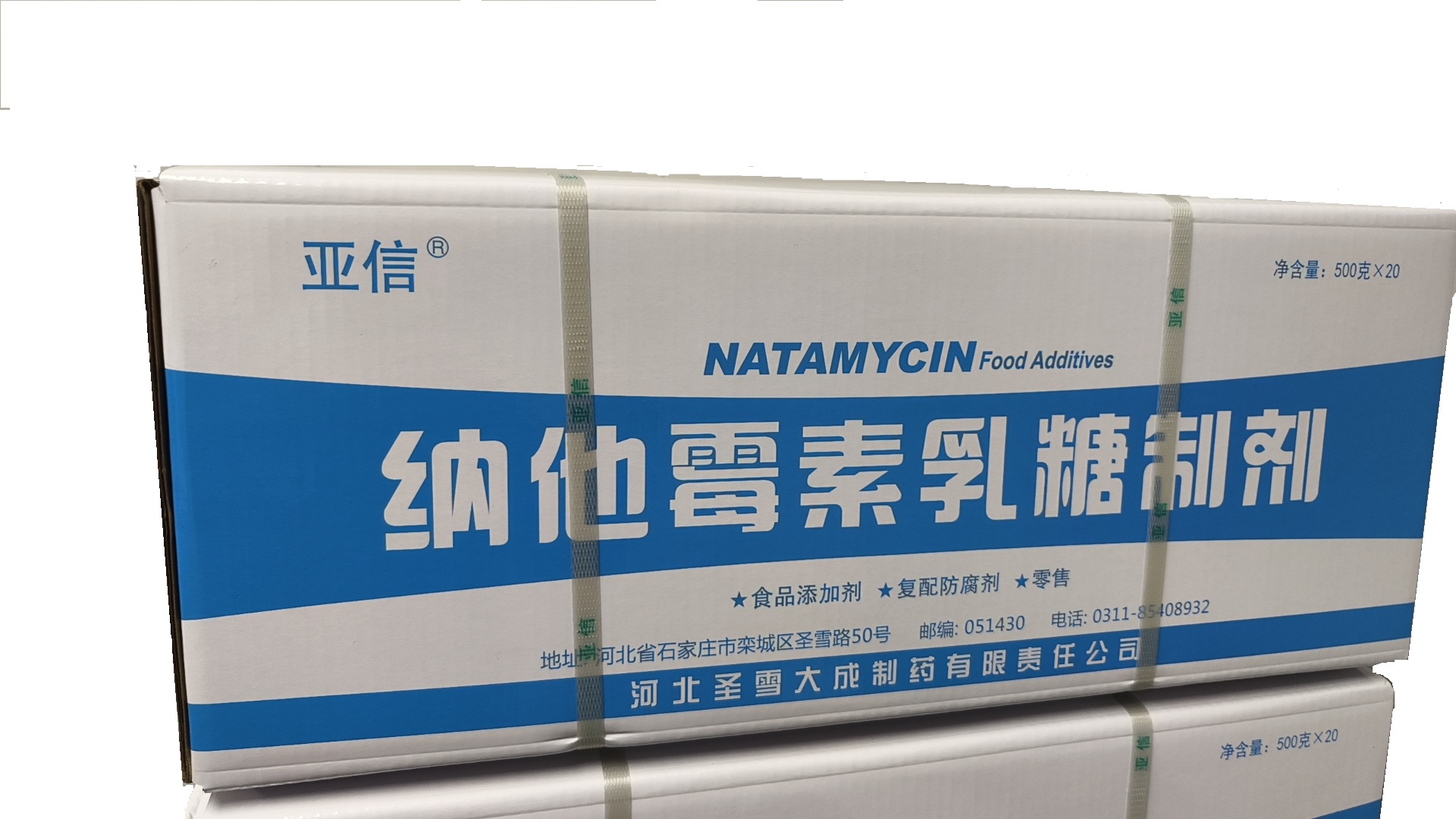
Natamycin Manufacturer |
Natamycin is a polyene macrolide antibiotic produced by the fermentation of microorganisms such as Streptomyces natalensis and Streptomyces glauces... |
|
|
Natamycin Manufacturer |
Natamycin, as a food additive, has the advantages of wide antibacterial spectrum, high safety, strong stability, and no adverse effects on food fla... |
|
|
Nisin Powder Price |
Nisin’s unique cross-linked structure confers heat resistance, a key advantage for high-temperature processed foods. Its stability under heat... |
|
|
Nisin Raw Material |
Dosages of nisin vary by age, health status, and application, with most formulations based on "international units (IU)" (1 IU = ~0.25 μg pure n... |
|
|
Natamycin 7681-93-8 |
Product Name: NatamycinCAS No. 7681-93-8Molecular formula: C₃₃H₄₇NO₁₃.Molecular weight: 665.75EINECS number 231-683-5Physical and chemical properti... |
Все товары поставщика
Похожие товары