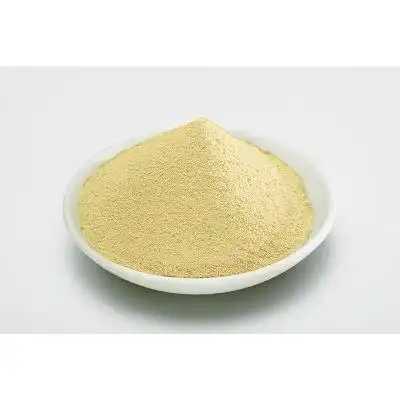
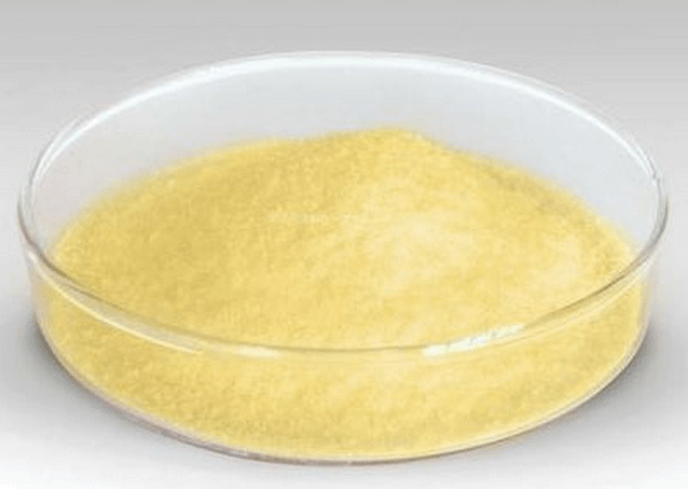
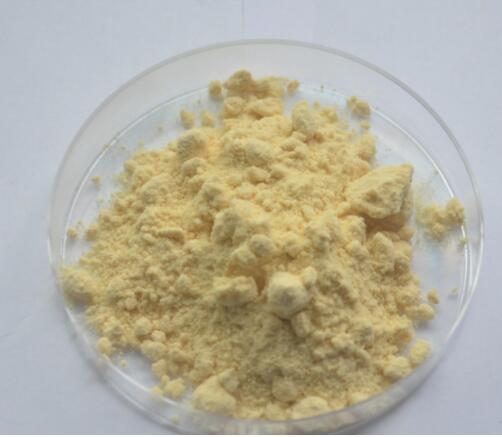
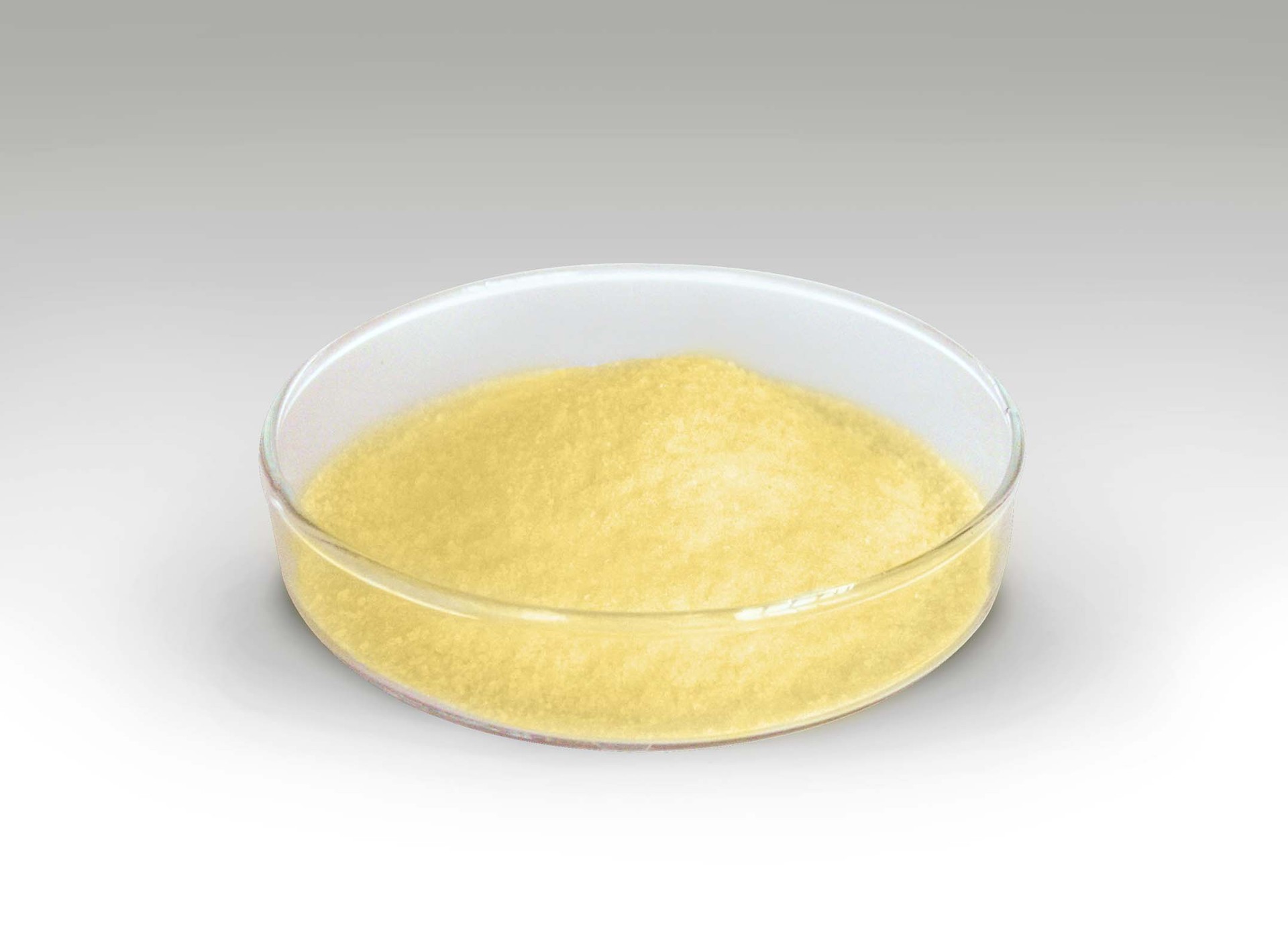
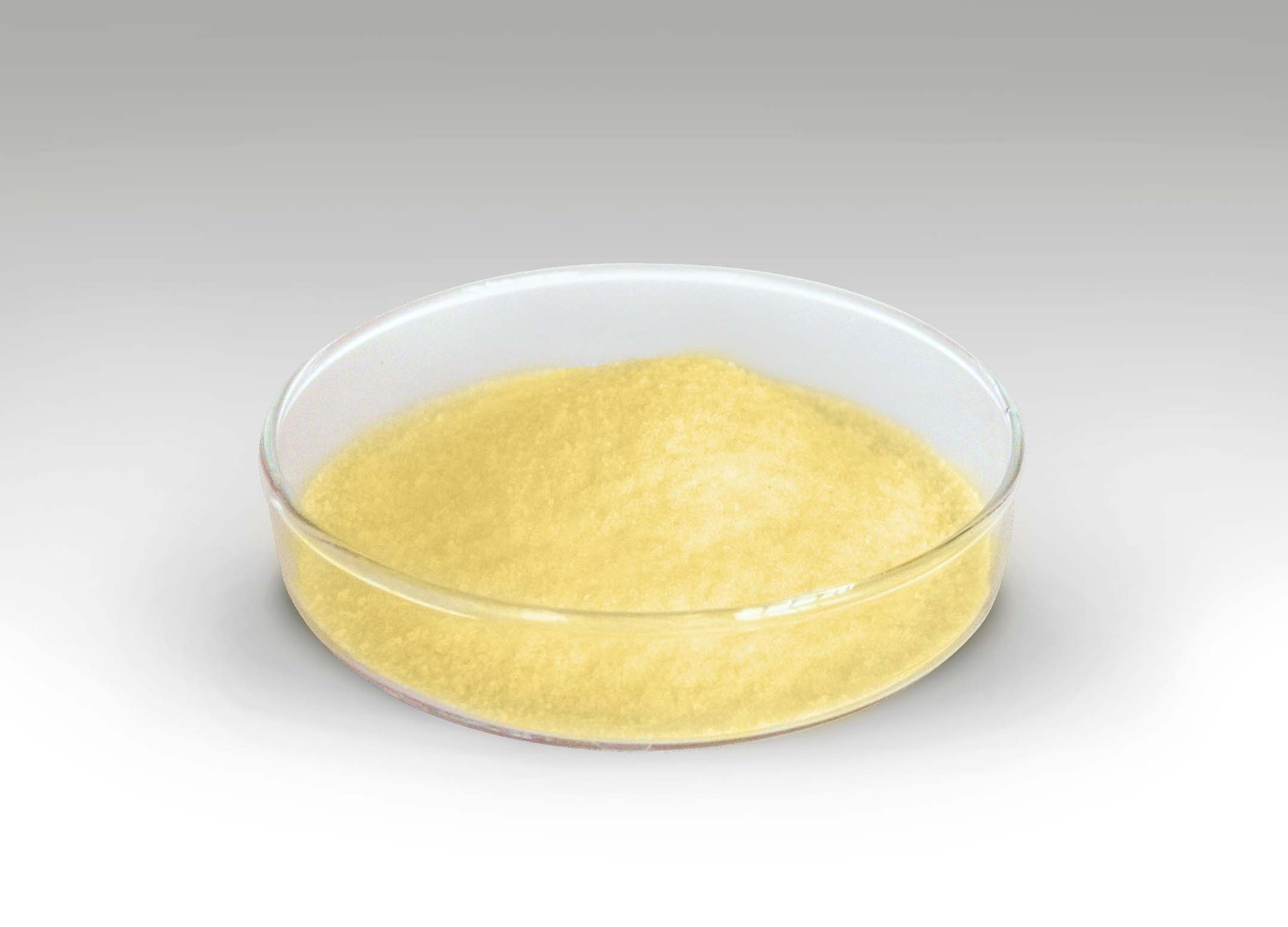
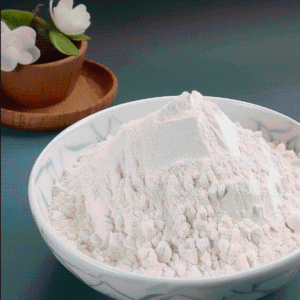
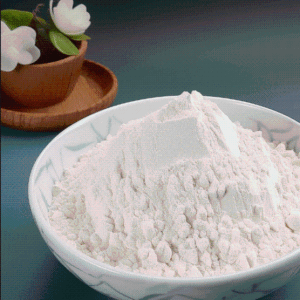
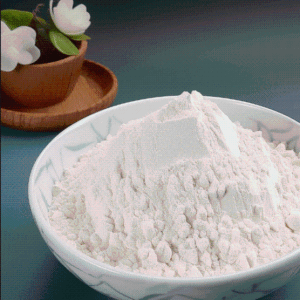
Phospholipid Powder
Processing Conditions and Handling of Phospholipid Powder
Temperature Control:
Phospholipids may denature or oxidize at high temperatures (e.g., above 120°C in frying or baking). Add them at the appropriate stage of processing (e.g., during cooling phases to maintain functionality).
In hot extrusion or sterilization processes, choose heat-stable phospholipid formulations (e.g., hydrogenated phospholipids).
Hydration and Dispersion:
Phospholipid powder may clump in water; pre-disperse it in oil or use a dispersant (e.g., glycerol) before adding to aqueous systems.
For emulsions, ensure proper mixing (e.g., high-shear homogenization) to achieve uniform distribution.
Storage Conditions:
Store phospholipid powder in a cool, dry place away from light and moisture (ideally at <20°C and <60% humidity).
Use within the shelf life (typically 12–24 months) to prevent rancidity or loss of functionality.
Другие товары поставщика
|
|
Phosphatidylserine |
Phosphatidylserine is a ubiquitous phosphatidylserine, which is mainly found in the inner layer of cell membranes. It is one of the components of c... |
|
|
Phosphatidylserine |
Phosphatidylserine is a cell membrane active substance extracted from the brain of cattle by Jordi Folch, a young neurochemist from Harvard Univers... |
|
|
Phospholipids |
Due to their amphiphilic nature, phospholipids are used as wall materials in microencapsulation technologies to protect sensitive ingredients and i... |
|
|
Meat and aquatic products |
Meat and aquatic products (sausages, ham, fish balls) lose moisture during processing (e.g., cooking, freezing) and are prone to tough textures. Ph... |
|
|
Phospholipids Powder |
Phospholipids (e.g., lecithin, the most widely used phospholipid in food) are premier emulsifiers, leveraging their amphiphilic structure (hydrophi... |
Все товары поставщика
Похожие товары