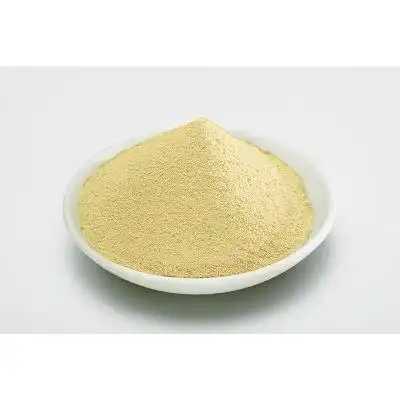
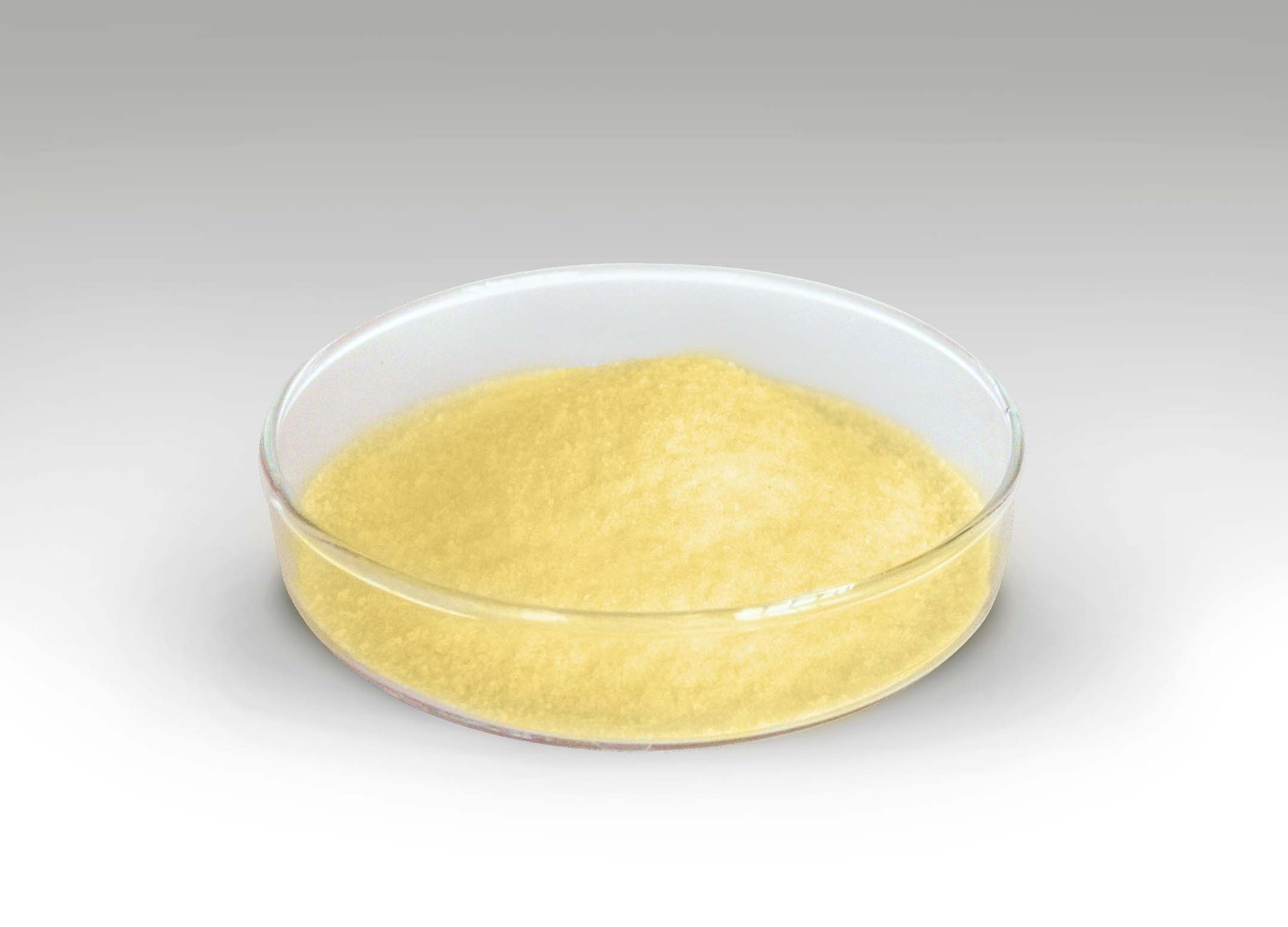
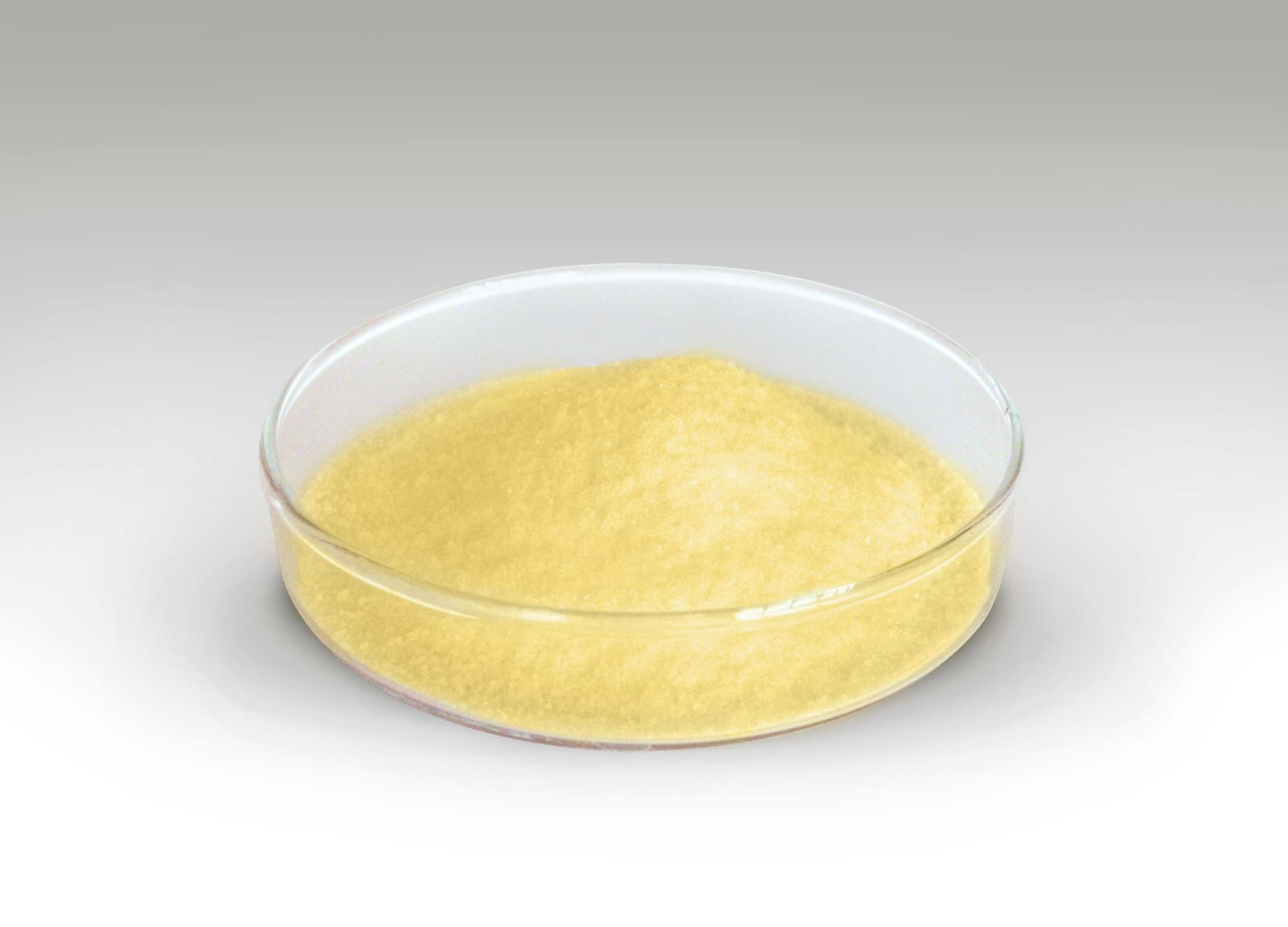
Phospholipid Powder
Processing Conditions and Handling of Phospholipid Powder
Temperature Control:
Phospholipids may denature or oxidize at high temperatures (e.g., above 120°C in frying or baking). Add them at the appropriate stage of processing (e.g., during cooling phases to maintain functionality).
In hot extrusion or sterilization processes, choose heat-stable phospholipid formulations (e.g., hydrogenated phospholipids).
Hydration and Dispersion:
Phospholipid powder may clump in water; pre-disperse it in oil or use a dispersant (e.g., glycerol) before adding to aqueous systems.
For emulsions, ensure proper mixing (e.g., high-shear homogenization) to achieve uniform distribution.
Storage Conditions:
Store phospholipid powder in a cool, dry place away from light and moisture (ideally at <20°C and <60% humidity).
Use within the shelf life (typically 12–24 months) to prevent rancidity or loss of functionality.
Other supplier products
|
|
Phosphatidylserine |
Phosphatidylserine is a phospholipid that is present in high concentrations in the brain and is important for maintaining healthy cognitive functio... |
|
|
Phospholipids |
Phospholipids are a type of lipid containing phosphate groups and are the main components of biological membranes, playing a crucial role in the st... |
|
|
Meat and aquatic products |
Meat and aquatic products (sausages, ham, fish balls) lose moisture during processing (e.g., cooking, freezing) and are prone to tough textures. Ph... |
|
|
Phosphatidylserine Powder |
Phosphatidylserine (PS), a naturally occurring glycerophospholipid and a key component of cell membranes—especially abundant in neuronal and ... |
|
|
Phospholipid Powder Supplier |
Phospholipids have athree-part structurethat gives them their signature amphiphilic (both water-loving and water-fearing) character—this is t... |
供应产品
Same products