L-tryptophan

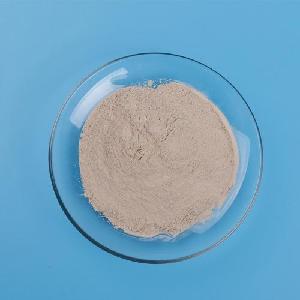
L-tryptophan’s stability is influenced by food processing conditions, requiring careful handling: Sensitivity to heat and light: High-temperature processing (e.g., prolonged cooking, sterilization) or exposure to UV light can degrade tryptophan, reducing its bioavailability. This is particularly relevant for canned or shelf-stable foods, where processing may diminish natural tryptophan levels. Interaction with other components: In alkaline environments or in the presence of oxidizing agents, tryptophan can undergo chemical reactions (e.g., Maillard browning with sugars) that alter its structure and activity. Food manufacturers may adjust pH or use antioxidants to preserve its integrity. Bioavailability: Tryptophan uptake in the body is competitive with other large neutral amino acids (e.g., leucine, phenylalanine). Foods paired with carbohydrates (which trigger insulin release, reducing competition) can enhance its absorption—explaining why meals like turkey with mashed potatoes are often associated with increased tryptophan availability.
Другие товары поставщика
|
|
L-tryptophan |
In food, L-tryptophan serves as a critical nutrient with two primary roles: Protein synthesis: As one of the 20 amino acids used to build proteins,... |
|
|
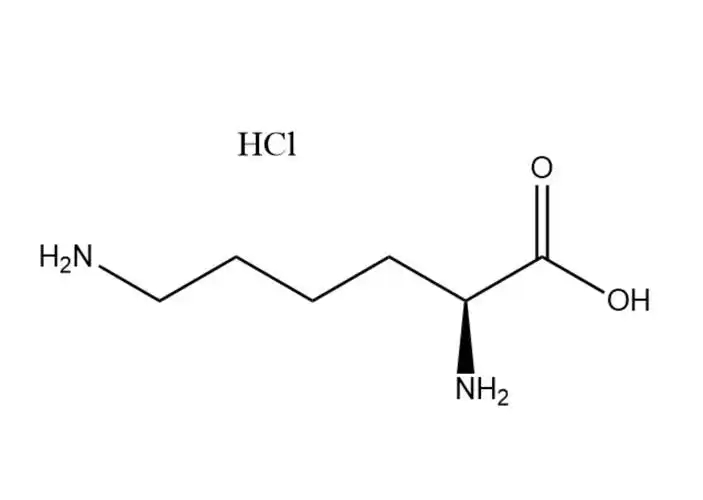
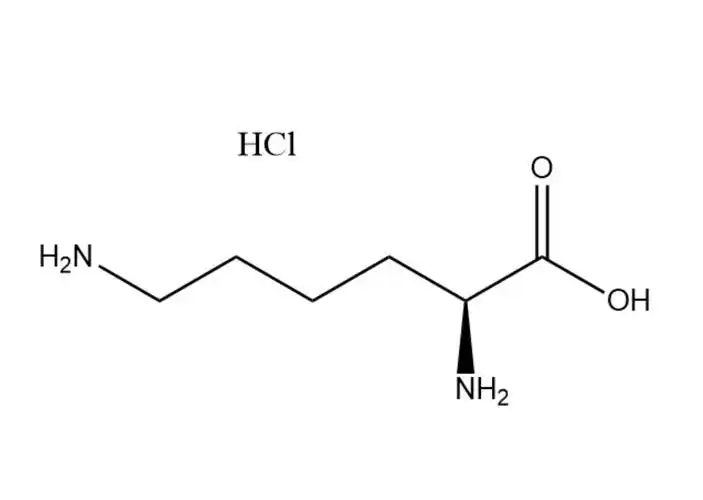
L-Lysine monohydrochloride |
Solubility ofL-Lysine monohydrochloride
Solubility is the most distinctive physical property of L-lysine monohydrochloride, and its high aqueous s... |
|
|
L-proline |
The basic information of L-proline1. Chemical structureMolecular formula: C₅H₉NO₂Molecular weight: 115.13 g/molStructural features: The α -am... |
|
|
L-leucine |
L - leucine has several notable performance characteristics related to its physical and chemical properties, as well as its role in biological syst... |
|
|
L-leucine |
L-leucine has a wide range of applications in the fields of medicine, food, and cosmetics, among others. The details are as follows:1.Medical Field... |
Все товары поставщика
Похожие товары