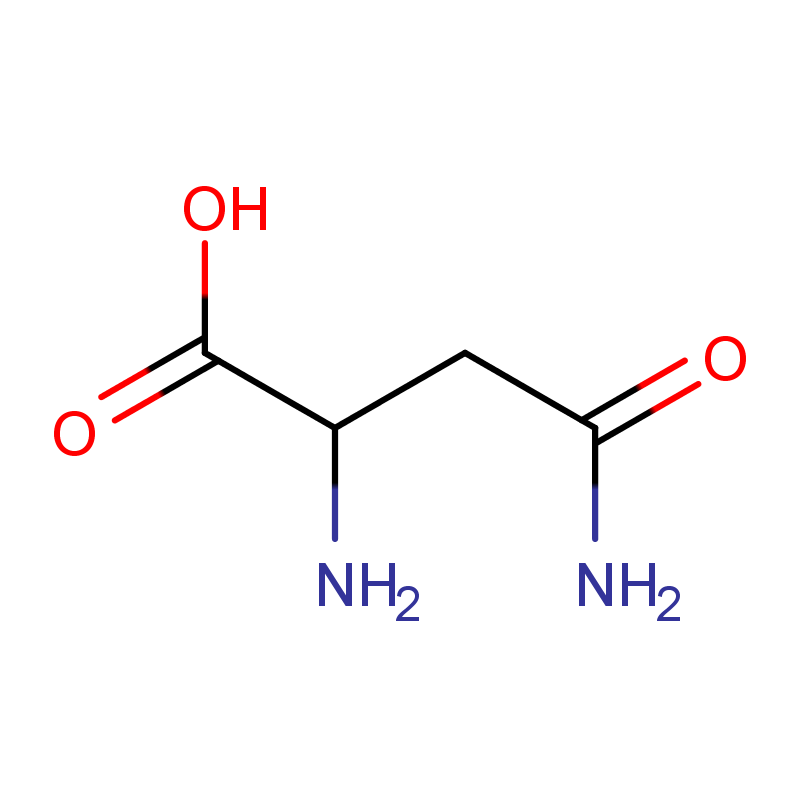
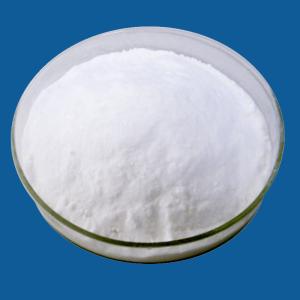
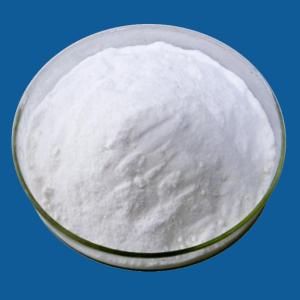
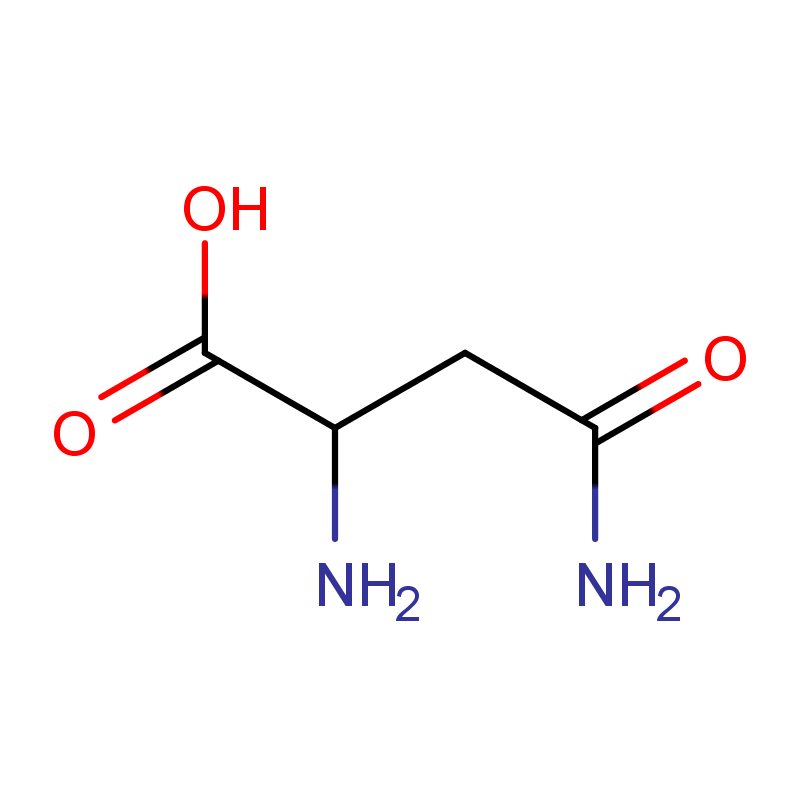
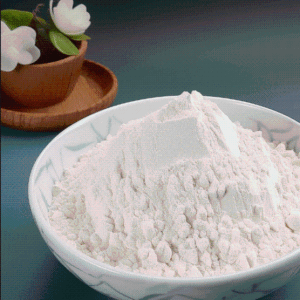
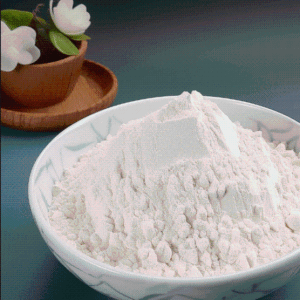
L-Aspartic acid monosodium salt monohydrate

To avoid unwanted chemical reactions or flavor changes, manufacturers must consider its compatibility with other food components: Avoid mixing with strong oxidizers: L-Aspartic acid monosodium salt monohydrate may react with oxidizing agents (e.g., some food preservatives like potassium sorbate) at high temperatures, leading to the breakdown of flavor compounds or the formation of off-tastes. Acidic matrices: While it acts as a buffer, in highly acidic foods (pH <2.5, e.g., citrus juices, vinegar-based dressings), L-Aspartic acid monosodium salt monohydrate may partially convert back to free L-aspartic acid (which is less soluble). This can cause cloudiness or sedimentation, so it is best used in foods with pH 3.0–7.0. Metal ions: L-Aspartic acid monosodium salt monohydrate may form weak complexes with divalent metal ions (e.g., Ca²⁺, Mg²⁺) in dairy or mineral-fortified foods, but this does not affect safety—only solubility. To prevent clumping, it should be dissolved in water before adding to milk or yogurt.
Другие товары поставщика
|
|
Glycyl-glycyl-glycine |
The safety guarantee of Glycyl-glycyl-glycine in food processingChemical stability: Triglycine has a stable structure under conventional food proce... |
|
|
BOC-L-GLU(ME)-OME |
In organic synthesis, BOC-L-GLU(ME)-OME serves as the protective form of glutamic acid and is used to construct complex molecules with multiple fun... |
|
|
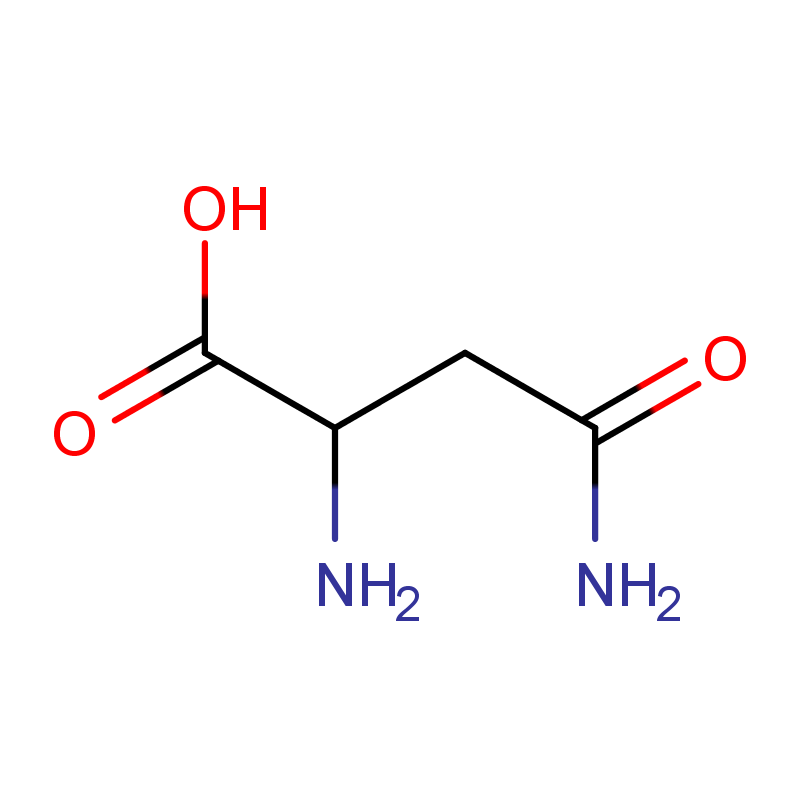
L-Aspartic acid monosodium salt monohydrate |
The sodium component of L-Aspartic acid monosodium salt monohydrate contributes to electrolyte balance, making it a secondary ingredient in hydrati... |
|
|
Phospho-L-Tyrosine Disodium Salt |
In molecular and cell biology research, Phospho-L-Tyrosine Disodium Salt is used to probe protein-protein interactions, particularly between phosph... |
|
|
L-Aspartic acid monosodium salt monohydrate |
Key Applications of L-Aspartic acid monosodium salt monohydrateL-Aspartic acid monosodium salt monohydrate leverages its solubility, taste, and bio... |
Все товары поставщика
Похожие товары