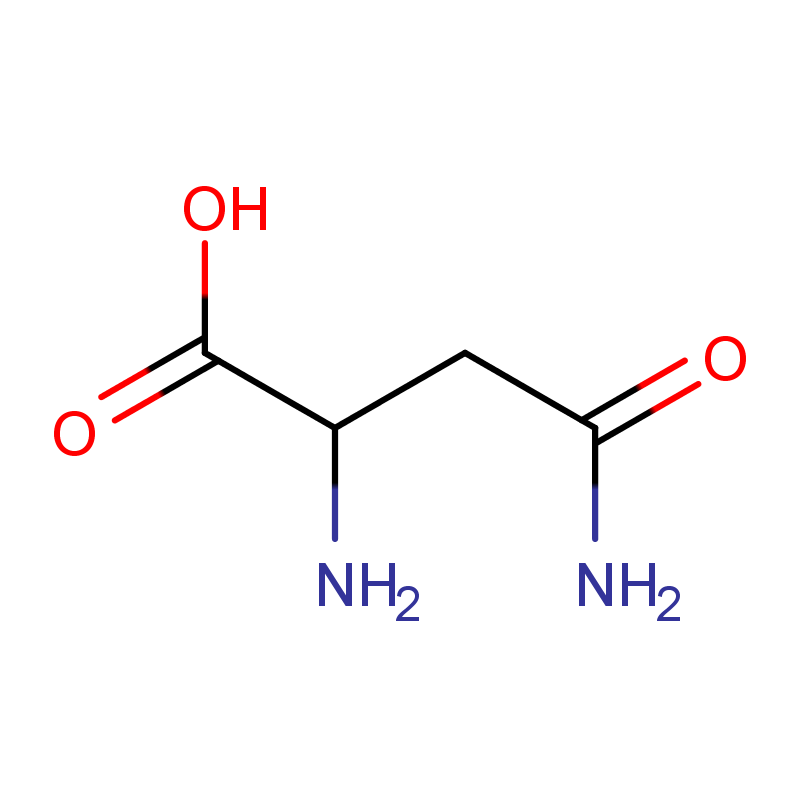
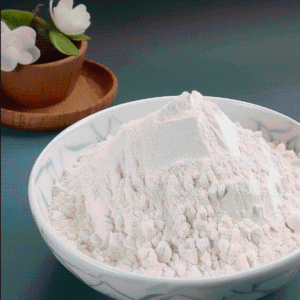
L-Aspartic acid monosodium salt monohydrate


To avoid unwanted chemical reactions or flavor changes, manufacturers must consider its compatibility with other food components: Avoid mixing with strong oxidizers: L-Aspartic acid monosodium salt monohydrate may react with oxidizing agents (e.g., some food preservatives like potassium sorbate) at high temperatures, leading to the breakdown of flavor compounds or the formation of off-tastes. Acidic matrices: While it acts as a buffer, in highly acidic foods (pH <2.5, e.g., citrus juices, vinegar-based dressings), L-Aspartic acid monosodium salt monohydrate may partially convert back to free L-aspartic acid (which is less soluble). This can cause cloudiness or sedimentation, so it is best used in foods with pH 3.0–7.0. Metal ions: L-Aspartic acid monosodium salt monohydrate may form weak complexes with divalent metal ions (e.g., Ca²⁺, Mg²⁺) in dairy or mineral-fortified foods, but this does not affect safety—only solubility. To prevent clumping, it should be dissolved in water before adding to milk or yogurt.
Other supplier products
|
|
L-Cysteine S-Sulfate Na in |
Relying on its strong complexation ability with heavy metal ions, L-Cysteine S-Sulfate Na is applied in the treatment of heavy metal-contaminated w... |
|
|
L-Cystine dihydrochloride |
Chemical Structure
L‑cystine is formed by oxidative dimerization of two L‑cysteine molecules via a disulfide bond (‑S‑S‑).
The dihydrochloride ... |
|
|
Glycyl-glycine |
Glycyl-glycine is a source of glycine for nutritional support Glycine is a conditionally essential amino acid involved in critical biological proce... |
|
|
DL-tryptophan |
In livestock and poultry farming, DL-tryptophan offers practical benefits: Amino Acid Balance: Animals (e.g., pigs, poultry) require L-tryptophan f... |
|
|
L-Cysteine S-Sulfate Na |
Pharmaceutical and Biomedical EngineeringThe good biocompatibility and unique chemical properties of L-Cysteine S-Sulfate Na make it a potential ra... |
供应产品
Same products